




According to the 2022 California Health Care Almanac, substance use in California is a widespread problem. Here are the recent statistics:
1. Half of Californians 12 years old and over reported using alcohol in the past month
2. 20% reported using marijuana in the past year
3. The number of amphetamine-related emergency department visits increased by almost 50% between 2018 and 2020
In 2022 the Opioid Safety Coalition of Santa Barbara County reported that:
1. Opioid prescription rates vary across the county with the highest rate being in Lompoc
2. On average, 1 in 10 high school students reported misusing prescription meds
3. Opioids are the “drug of choice” for 35% of adults getting treatment
4. Someone in Santa Barbara dies from opioid overdose twice a week
5. 68% of all alcohol and drug-related overdose deaths involved fentanyl, alone or combined with methamphetamine or cocaine
6. Stimulants were involved with opioids in 40% of overdose deaths (stimulants are being adulterated with fentanyl without the user’s knowledge)
Currently, the healthcare system is moving toward providing resources for treating SUDs as chronic illnesses. The Mental Health Parity and Addiction Equity Act (MHPAEA) and the Affordable Care Act (ACA require coverage for SUD and mental health treatment by insurance plans.
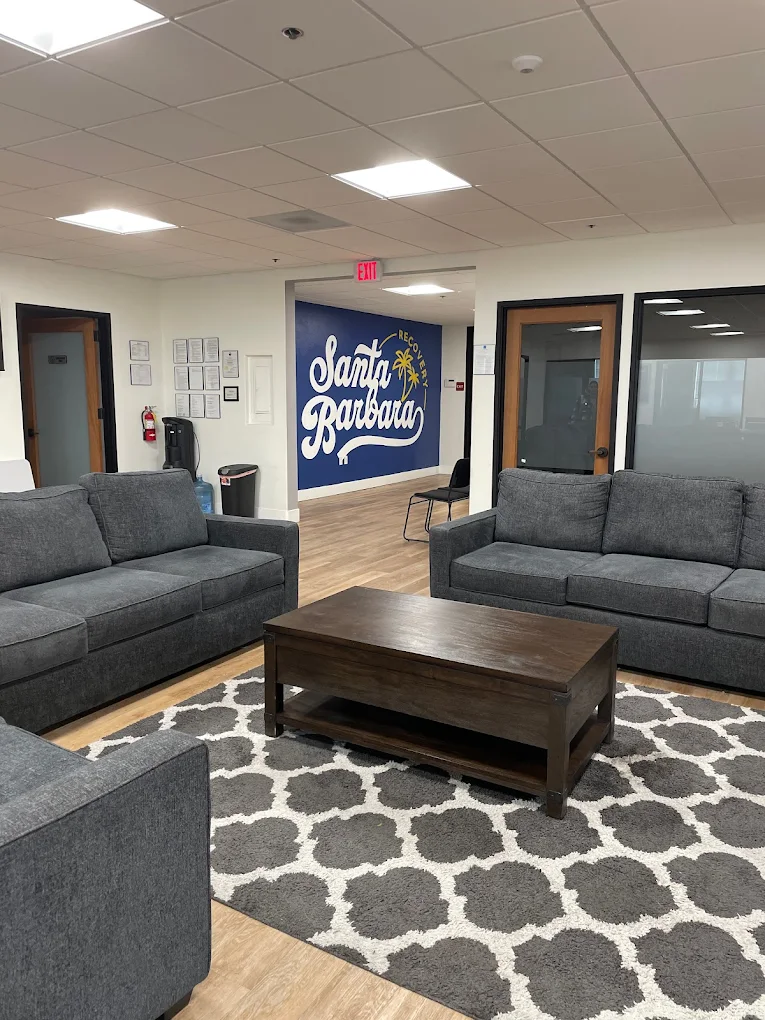
At Santa Barbara Recovery Center in California, we provide various resources for substance abuse

Importance of Treatment for Substance Use Disorder
The repeated use of alcohol or other drugs can lead to SUDs for some people. This can cause:
1. Health problems
2. Failure to meet responsibilities at home, school, or work
3. Disability
A Disease of the Brain
Long-term, frequent use of substances can cause physical changes in your brain that increase the chances of self-destructive and compulsive behaviors and make recovery more difficult. Addiction starts with the voluntary choice to use drugs or alcohol. As the drug is used repeatedly over time, control over consumption dramatically decreases. An individual who was a voluntary user at first can become a compulsive user, an addict.
Scientific evidence indicates that the change from voluntary user to addict happens through a combination of processes. There is a series of changes in the brain or “neuroadaptations” that are the result of repeated exposure to the substance. Since changes in brain structure and function are necessary for the development and expression of addiction, it qualifies as a brain disease. It’s a brain disease exhibited by compulsive behavior, a typical bio-behavioral disorder.
What is the Cycle of Addiction?
To understand what happens in the brain, addiction can be broken down into a cycle of three phases that affect three specific parts of the brain. This helps in understanding the impulsive and compulsive actions a person with SUD takes. The phases are:
1. Binge/Intoxication Phase
When a person uses alcohol or drugs, it activates an area in the brain we call the reward system which releases a rapid release of dopamine, a neurotransmitter that produces positive effects. This is the high that people experience. It also changes the chemical balance of the brain which affects mood regulation, sensitivity to stress, and proper decision-making.
2. Withdrawal and Negative Effect Phase
Continuous use of a substance causes the reward system to correct the balance of reward chemicals released by reducing the amount of dopamine that’s naturally produced in the brain. This reduction leads to the foundation of addiction. People who have used the substance will need a larger amount to feel high again, and other activities will seem less rewarding.
Since less natural dopamine is produced, the substance is necessary for the addicted person to function normally. This is what activates the second phase of addiction, withdrawal/negative effect. Once that reward sensation has been moved when the drug can’t be obtained, withdrawal symptoms occur.
3. Preoccupation and Anticipation
The effects of the brain’s chemical changes and the specific effects of addictive substances set the third phase for preoccupation and anticipation. The drug user craves the substance and can relapse even after an extended period of abstinence.
Addictive substances change the response in our brain circuitry as drugs become associated with it. This association changes the brain’s decision-making area and overrules healthy decision-making processes. This process strengthens every time drugs are used and it becomes more difficult to stop which begins the cycle over again with the binge/intoxication phase.
Symptoms of SUDs
Sometimes it can be hard to recognize a SUD because people may have a wide degree of functioning and can often hide their SUD. Still, symptoms of SUDs may include these behavioral changes:
1. Decrease in attendance and performance at school or work
2. Frequently getting into trouble, having fights or accidents, or involvement in illegal activities
3. Being secretive and behaving suspiciously
4. Changes in sleep patterns and appetite
5. Unexplained change in attitude or personality
6. Irritability, angry outbursts, or sudden mood swings
7. Times of unusual hyperactivity, giddiness, or agitation
8. Loss of motivation
9. Seeming to be fearful, anxious, or paranoid for no reason
Physical changes include:
1. Eyes appear bloodshot with abnormally sized pupils
2. Sudden weight gain or loss
3. Decline in physical appearance
4. Unusual odors on body, breath, or clothes
5. Slurred speech, tremors, or appearing to be impaired
Social changes include:
1. Sudden change in hangouts, friends, and hobbies
2. Legal problems because of substance use
3. Having financial problems and a need for money with no explanation
4. Continuing to use substances even though it caused problems in relationships
Mental Health and Substance Use Disorder
Mental health is the main crisis in this country, and addiction is the main cause. Congress was addressed by mayors from all over the country about the mental health crisis they’re dealing with. In 85% of the cities, substance abuse is named as the main cause of the increased need for resources for substance abuse treatment.
Mental health and substance use disorders often occur together because:
1. Some substances may cause people with SUD to experience one or more symptoms of a mental health disorder
2. Mental health problems sometimes lead to drug or alcohol use because some people with mental health issues may try to medicate themselves by misusing substances
3. SUDs and mental health disorders share some underlying causes such as:
4. Changes in brain composition
5. Genetic predisposition
6. Early exposure to trauma or stress
More than 25% of adults living with serious mental health problems also have SUD. These occur more often with certain mental health problems including:
– Anxiety disorders
– Depression
– Schizophrenia
– Personality disorders
Recovering from Co-Occurring Conditions
An individual with a mental health problem and SUD must have both conditions treated, preferably at the same time, by the same treatment team. The presence of both conditions simultaneously is called a dual diagnosis. Dual diagnosis may include rehab, medication, talk therapy, and support groups.
Resources for Substance Abuse in Santa Barbara, California
Like many chronic health issues, SUDs and mental disorders can be managed, treated, and even prevented. Because addiction is the ultimate bio-behavioral illness, a true brain disease, psychologists have an exceptionally important part to play:
1. Increasing understanding of addiction
2. Learning how to deal with addiction
Additionally, because psychologists are especially able to see the mind/body relationships in all their complexities, they are well suited to help explain drug abuse and addiction to society in general. It has been done before with brain diseases that are disclosed through behavior, such as schizophrenia and depression and it can be done with addiction through comprehensive rehab programs and different modes of therapy.
Programs and Therapy Services
Depending on your living situation and the severity of your SUD, several treatment programs may be appropriate. Starting at the right treatment level allows you to “step up” or “step down” in levels as your needs require. Treatment programs that are available in Santa Barbara include:
Partial Hospitalization Program (PHP)
Although a PHP is technically an outpatient program, it falls between inpatient and outpatient in intensity. Clients receive the same psychiatric care, clinical care, and psychotherapy as in a residential facility. In PHP, you spend 5 to 7 full days at the treatment facility and return home in the evening.
Intensive Outpatient Program (IOP)
IOPs provide intensive treatment for a lesser amount of time per week. Clients in IOP attend sessions at the treatment center 2 or 3 days per week for a few hours per day. This care level is appropriate as a step down from PHP for continuing treatment. It may also be a step up from a lower level of care.
Outpatient Program (OP)
Outpatient programs usually consist of one or two sessions per week at the treatment center or the therapist’s office. These programs are an excellent way to continue treatment after completing a higher level. An OP may also be suitable for someone with a mild addiction and stable housing, a supportive family and friends, and a need to attend work or school.
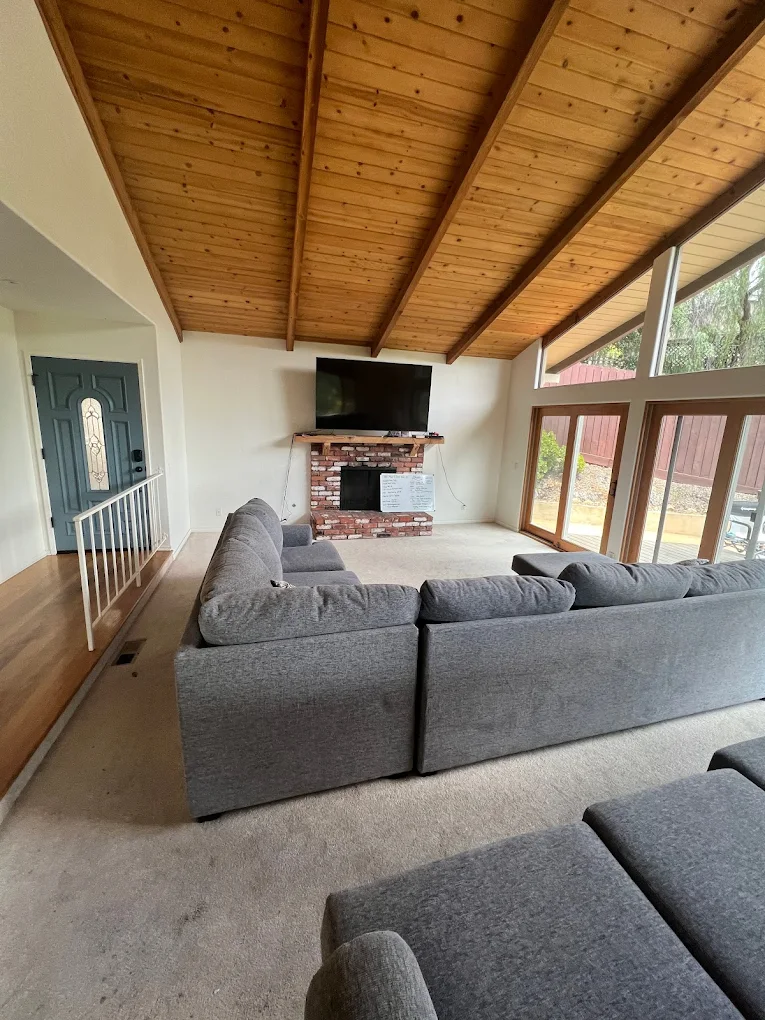
Sober Living Environment (SLE)
Sober living residences are helpful environments when an individual has completed treatment but doesn’t feel confident enough to return to their former living and working environment. An SLE can provide the support necessary during this transition period. Some people stay in a sober living environment while engaging in higher levels of care because of their lack of stable, supportive housing while receiving treatment.
Dual Diagnosis Program
Individuals who are suffering from co-occurring mental and substance use disorders require dual diagnosis treatment. Both disorders need to be treated at the same time because they feed off each other. Treating only one will cause both to get worse. Simultaneous treatment by the same treatment team has proved to be the best opportunity for success.
Psychotherapy
Psychotherapy is also known as “talk therapy” and there are many methods that are employed for the treatment of mental illness and SUD such as:
Individual Therapy
During individual therapy, an individual works with a therapist to try to understand their mental and addiction issues and how to deal with them. All sessions are confidential and trust is established between the client and the therapist. Sometimes a client will discover an underlying mental issue or an undisclosed trauma that has driven their substance use.
Group Therapy
In group therapy, a group of about 10 to 15 people will gather with 1 or more therapists to discuss their issues regarding abstinence and recovery. Individuals can give support to others, learn tips for recovery, and be held accountable for their actions.
Family Therapy
Addiction is a family disease because it affects all family members in one way or another. Family roles change significantly as a result of the SUD of another member. Family members may meet to learn about addiction, how to provide support for the member in recovery, and how to take care of themselves.
Behavioral Therapies
Several evidence-based behavioral therapies are used in the treatment of SUDs. Behavioral therapy works to identify and change self-destructive and unhealthy behaviors. Unhealthy behaviors are learned behaviors, and they can be unlearned through treatment by therapists experienced in behavioral therapy.
Medication-Assisted Treatment (MAT)
MAT is addiction treatment that includes the use of medication in concert with counseling and other support. Behavioral therapy is most effective for some substances, including opioids and alcohol, when combined with medications that can manage withdrawal symptoms, reduce cravings, and decrease the physical high, or reward, that comes from substance use.
Santa Barbara Recovery Can Help Break the Cycle of Addiction
You can break out of the cycle of addiction. It is possible with professional help in a comprehensive program of psychiatric care and clinical care with experienced, licensed therapists and medical professionals. You can find all of this at Santa Barbara Recovery and more.
We can provide you with three levels of care, a sober living residence, and even an alumni/aftercare program. Support is there for you every step of your path to recovery. You can continue your recovery after leaving treatment by reconnecting with people you met during this life-changing experience in our alumni program. This is too important to leave to chance. Contact us today and learn all we have to offer.
References:
https://www.chcf.org/wp-content/uploads/2022/01/
https://www.affecttherapeutics.com/mental-health-is-the-n
Local Data
https://www.safeproject.us/resource/science