






Klonopin addiction treatment at Santa Barbara Recovery is a men’s residential program for adult men dependent on Klonopin (clonazepam). Because Klonopin is long-acting, withdrawal is delayed and prolonged, and coming off it safely takes a gradual, medically supervised taper rather than an abrupt stop. Treatment pairs that taper with therapy for the anxiety underneath. We work with all major insurance.
Why Klonopin Is Harder To Stop Than Other Benzos
Klonopin is a long-acting benzodiazepine, and that single fact shapes everything about how it is quit safely. Where short-acting benzos like Xanax leave the body within hours and produce fast, sharp withdrawal, Klonopin lingers, so withdrawal often starts later, lasts longer, and feels more drawn-out. Men are frequently caught off guard when symptoms appear days after the last dose rather than the same day.
This is why a Klonopin taper takes longer than tapering most other benzodiazepines, and why it has to be planned and medically supervised. Coming off a long-acting benzo abruptly is genuinely risky, which is the reason a gradual taper, covered in the next sections, is the standard of care.

Klonopin Withdrawal Timeline
Klonopin withdrawal follows a recognizable arc, though it runs longer than withdrawal from short-acting benzodiazepines. The ranges below are typical rather than exact, since timing varies with dose, how long you used, and individual factors. The most important point is that a proper medically supervised taper prevents most of these symptoms rather than leaving you to endure them.
Early (delayed onset). Because Klonopin is long-acting, withdrawal often does not begin right away. Early symptoms, returning anxiety, irritability, and trouble sleeping, may surface a few days after the last dose, later than with most benzos.
Peak (often the second week). Symptoms are usually most intense during this stretch: heightened anxiety, insomnia, restlessness, sweating, and tremors. This is the window where medical supervision matters most.
Easing (the following weeks). The acute symptoms gradually settle. Sleep and mood begin to stabilize, though cravings and lingering anxiety can continue.
Protracted (for some, longer). Some men experience protracted withdrawal, with anxiety, sleep disturbance, and low mood that come and go for weeks or months as the brain readjusts. This is more common with long-acting benzos and is treatable with ongoing clinical support.
Klonopin Withdrawal Can Be Dangerous. Never Detox Alone.
Benzodiazepine withdrawal is one of the few kinds that can be life-threatening. Stopping suddenly, or tapering too fast, can in serious cases cause seizures, which is why coming off Klonopin should always be done with medical supervision rather than alone. This is not meant to frighten you. It is the reason the taper exists.
A medically supervised taper removes that danger. Our medical team reduces the dose gradually on a schedule matched to how long you have used and how much, sometimes using a steady long-acting benzodiazepine such as diazepam to smooth the process, so the nervous system adjusts safely instead of rebounding. You are monitored throughout, and the goal is to make withdrawal manageable rather than something to survive.
Treating The Anxiety Underneath
Most men on Klonopin were prescribed it for anxiety, panic, or insomnia, and that underlying condition does not disappear when the drug does. Treating the dependence without treating the anxiety underneath is why so many people relapse back onto benzodiazepines. This is the part that matters most for staying off Klonopin for good.
Our dual diagnosis care treats both together. As the taper progresses, our clinical team helps you build non-medication tools for managing anxiety, through Cognitive Behavioral Therapy, which has strong evidence for anxiety and panic, along with group and family therapy and experiential work. The goal is not just to be off Klonopin, but to no longer need it.

Our Men's Klonopin Program
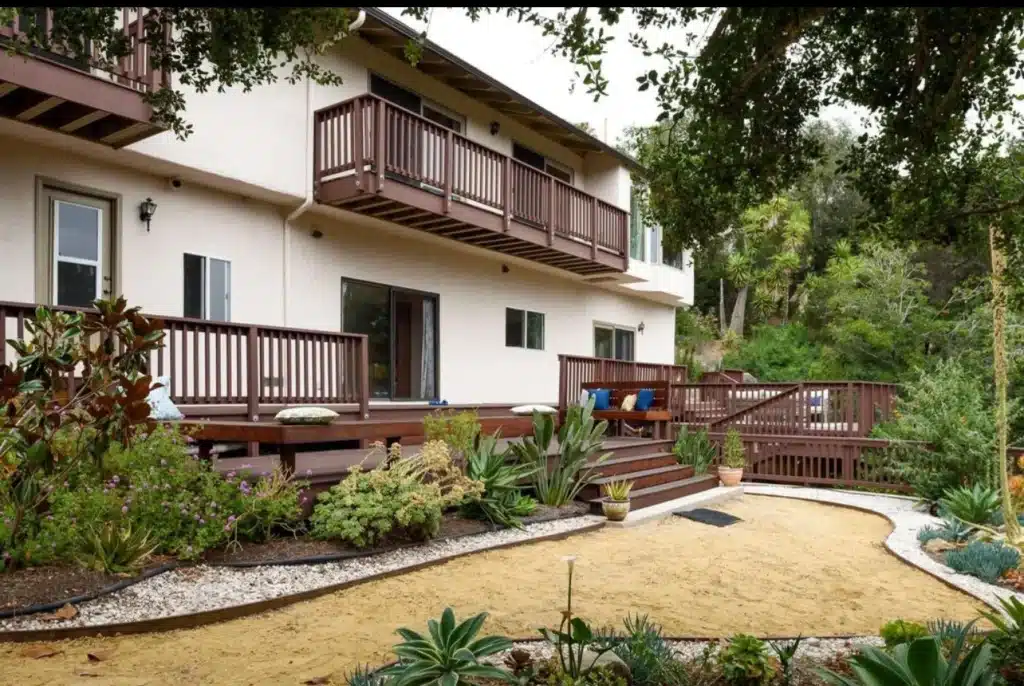
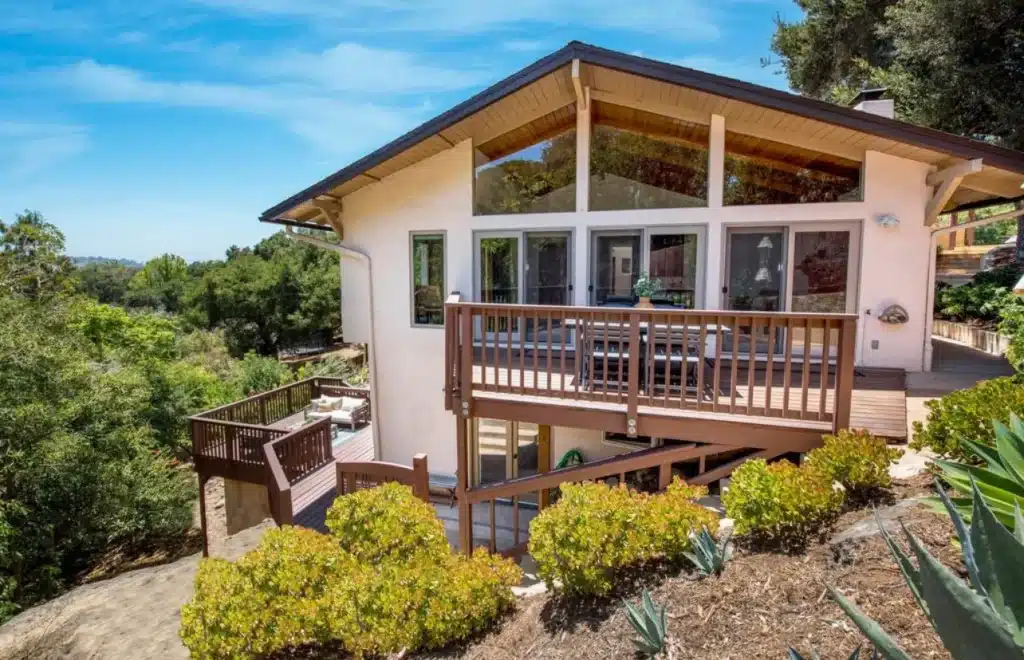
Klonopin recovery at Santa Barbara Recovery moves through a full continuum. Treatment begins with the medically supervised taper, often within residential care so you are monitored around the clock through the peak withdrawal window. Living on site, away from access and stress, gives the taper the best chance to hold.
From there, Partial Hospitalization and Intensive Outpatient step the structure down as you stabilize, and outpatient care and sober living carry recovery into daily life. Throughout, the anxiety work runs alongside the taper, because the two have to be solved together.
Coming Off Klonopin Safely Starts Today
You do not have to taper off Klonopin alone, and because stopping a benzo the wrong way carries real risk, you should not. We make withdrawal safe with a medically supervised taper, treat the anxiety underneath so it holds, and do it in a men’s program built for recovery. Call (805) 429-1203.
Insurance And Cost
We work with all major insurance providers, and most commercial plans cover Klonopin addiction treatment. Verify your benefits with us and we will tell you what is covered, quickly and confidentially, before you commit to anything.
Most plans cover medically supervised detox and tapering, residential treatment, and the outpatient care that follows. If you do not have insurance or it falls short, private pay and scholarship options exist. Call and we will walk through what is realistic for your situation.

Hear From Men Who Found Recovery Here
The men who came through our program tell it better than we can. These are real stories of getting sober and staying sober at Santa Barbara Recovery.
Frequently Asked Questions
How long does Klonopin withdrawal last?
Because Klonopin is long-acting, withdrawal often starts a few days after the last dose, peaks in roughly the second week, and eases over the following weeks. Some men have protracted symptoms that come and go for longer, which is normal for long-acting benzodiazepines and is treatable.
When does Klonopin withdrawal peak?
Klonopin withdrawal tends to peak later than short-acting benzos like Xanax, often around the second week rather than within days, because the drug is long-acting and clears slowly. This later peak is when anxiety and insomnia are usually strongest and when medical supervision matters most.
Is it dangerous to stop Klonopin cold turkey?
Yes. Stopping Klonopin abruptly can cause seizures, which can be life-threatening. Benzodiazepines should never be stopped suddenly. A medically supervised taper is the safe way to come off, and it also makes withdrawal far more manageable.
How is Klonopin addiction treated?
Treatment is a gradual, medically supervised taper rather than abrupt cessation, combined with therapy for the anxiety underneath. We reduce the dose on a schedule matched to your use, monitor you throughout, and treat the panic or anxiety the Klonopin was managing.
Can you switch me to another medication to taper?
Sometimes. For some people, tapering with a steady long-acting benzodiazepine such as diazepam makes the process smoother. Whether that fits depends on your history and is decided with our medical team.
Does insurance cover Klonopin treatment?
Yes. We work with all major insurance providers, and most plans cover detox and tapering, residential treatment, and outpatient care. We verify your benefits in minutes so you know where you stand first.
Is treatment only for men?
Yes. Santa Barbara Recovery is a men’s-only program, built entirely around men in recovery.
How do I start?
Call (805) 429-1203 or verify your insurance online. Admissions is open 24 hours a day, and we will guide you through every step.

Medically Reviewed By
Dr. Courtney Scott, MD — Medical Director, board-eligible in Addiction Medicine.
This page was reviewed for clinical accuracy against current American Society of Addiction Medicine (ASAM) guidelines, SAMHSA practice standards, and the National Institute on Drug Abuse.
Dr. Scott oversees medical care and clinical quality at Santa Barbara Recovery.