






Individual therapy at Santa Barbara Recovery is one-on-one work between a man and a licensed therapist, focused on the thoughts, triggers, and experiences behind his substance use. Using methods like CBT, it gives men a private space to do the personal work that group settings cannot reach. It is a core part of treatment at every level of care.
What is Addiction Therapy?
Therapy for substance abuse is a key aspect of rehabilitation. Therapy for substance abuse provides rehab centers and patients with various options that can be fine-tuned to suit each patient’s specific needs. Addiction therapy is a science-backed and evidence-based treatment practice that helps patients identify and challenge negative feelings, thoughts, and behaviors that lead to taking drugs and abusing alcohol.
Patients will progress to learn coping and management skills, level up their communication, and heal their relationships with family, friends, and other loved ones. This will enable them to kick the habit of using drugs and alcohol as coping mechanisms and lead them on to living sober and fulfilling lives.

How Does Addiction Counseling Work?
There are many different therapy methods, and each with its own approaches and goals. Certain therapy forms are better at handling certain issues. During the assessment and treatment process, a good therapist can combine several different approaches and disciplines of therapy to custom-tailor a treatment and rehabilitation plan that perfectly suits your goals and preferences.
Addiction therapy is commonly viewed as a method in which individuals pursue healing through conversations with a professionally trained, state-licensed therapist. In various forms of individual therapy, the sessions are intended to provide a space for people to openly discuss any topic they wish to address, as well as to work on healing, personal growth, or self-improvement.
Cognitive Behavioral Therapy (CBT)
Cognitive Behavioral Therapy is the primary method used in individual sessions, and it works by changing the thinking that drives substance use. CBT helps a man identify the thoughts, beliefs, and situations that lead to using, then build practical strategies to respond differently. It is structured and goal-focused, typically running 12 to 16 sessions with clear targets and progress tracking.
For addiction specifically, CBT does two things. It surfaces the triggers and thought patterns that precede using, the automatic ‘I need a drink’ or ‘one won’t hurt’ thinking, and it replaces them with concrete coping strategies a man can use in the moment. Over time, recognizing and interrupting those patterns is what keeps relapse from starting. CBT is one of the most evidence-backed therapies for addiction, which is why it anchors individual work.
What Individual Therapy Is
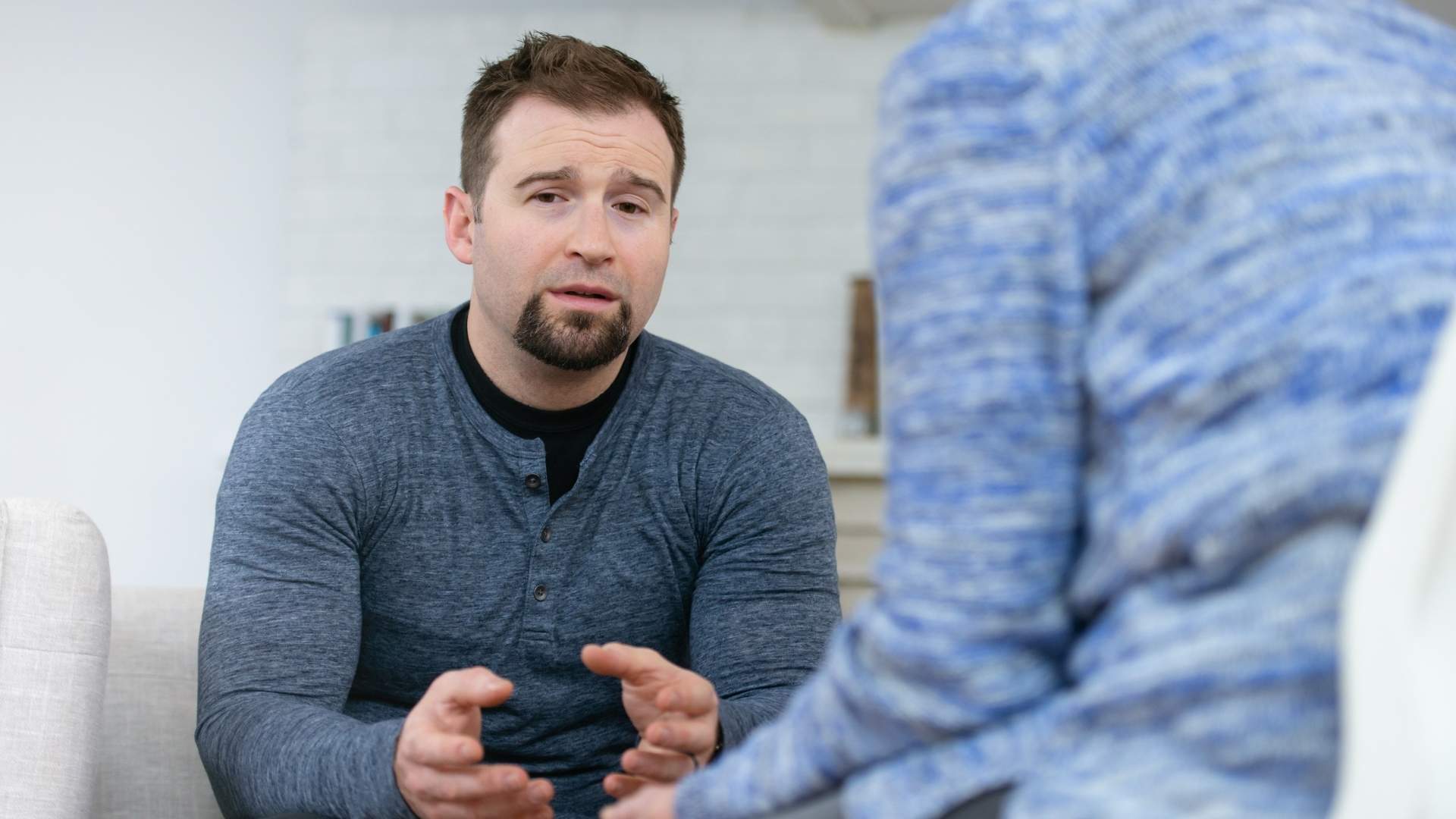
Individual therapy is private, one-on-one work between a man and his therapist, focused entirely on him. Where group therapy builds connection with peers, individual sessions go deep on the personal history, triggers, and thought patterns behind a man’s addiction, the things he often will not say in front of anyone else. It is where the most private work of recovery happens.
In these sessions, a man and a licensed therapist build a working relationship over time, setting goals, tracking progress, and addressing what surfaces along the way. The privacy is the point: it creates the space to be honest about shame, trauma, and the real story behind the using, which is often where recovery actually begins. For many men especially, that one-on-one trust is what makes the rest of treatment work.

Individual Therapy and DBT
Individual work often pairs CBT with skills from Dialectical Behavior Therapy (DBT), especially for men whose substance use is tied to intense emotions. Where CBT changes the thinking behind using, DBT adds skills for managing the feelings that thinking alone does not resolve. In individual sessions, a therapist draws on both depending on what a man is working through.
For many men the combination is what works: CBT to recognize the triggers, DBT to get through the hard moments without using. Both are delivered one-on-one and reinforced in group skills work.
Why One-on-One Work Matters for Men
Individual therapy reaches things group settings cannot. Men are often slow to open up, especially about shame, trauma, or the experiences underneath their addiction, and many will not say those things in a room full of people. The privacy of one-on-one work is what lets a man get to the real material, sometimes for the first time.
In a men’s program, that private space matters even more. A man can work through what he has been carrying without performing for anyone, at his own pace, with a therapist whose entire focus is him. The trust built there is often what makes the group work, the family work, and the rest of treatment possible. Individual therapy is where a lot of men finally put it down.
How Individual Therapy Fits Your Treatment
Individual therapy runs through every level of care, not just one. From residential through outpatient, a man keeps working one-on-one with a therapist, with the frequency adjusting as he steps down through the continuum. The therapeutic relationship carries across levels, so the personal work does not restart each time the program changes.
Individual sessions also work alongside group therapy and, where it helps, family therapy. The three do different jobs, individual goes deep and private, group builds peer connection and accountability, family repairs the relationships around recovery. Together they cover what no single format can.
Insurance And Cost
We work with all major insurance providers, and most commercial plans cover individual therapy as part of addiction treatment. Verify your benefits with us and we will tell you what is covered, quickly and confidentially, before you commit to anything.
Because individual therapy is built into your level of care, it is covered the same way that care is, residential, PHP, IOP, or outpatient. If you do not have insurance or it falls short, private pay and scholarship options exist. Call and we will walk through what is realistic for your situation.
Frequently Asked Questions
What is individual therapy?
Individual therapy is private, one-on-one work between a man and a licensed therapist, focused on the personal history, triggers, and thoughts behind his addiction. It is where the deepest, most private work of recovery happens, separate from group settings.
Which form of therapy is best for addiction?
There is no single best therapy; the most effective treatment combines methods. CBT and DBT are the most evidence-backed for addiction, delivered through individual and group work. The right mix depends on what a man is actually dealing with.
What is CBT and how does it help addiction?
CBT, or Cognitive Behavioral Therapy, identifies and changes the thought patterns and triggers that drive substance use, then builds practical coping strategies. It is structured, usually 12 to 16 sessions, and is one of the most effective therapies for preventing relapse.
What is the difference between individual and group therapy?
Individual therapy is one-on-one and private, going deep on personal material. Group therapy involves other men in recovery and builds peer connection and accountability. Most men do both, because they reach different things, and the two reinforce each other.
What happens in an individual therapy session?
A man and his therapist work on the issues behind his addiction, set goals, build coping skills, and track progress over time. Sessions are confidential and tailored to what he is working through, from triggers and cravings to trauma and co-occurring conditions.
Is individual therapy confidential?
Yes. Individual therapy is private and confidential, which is part of what makes it effective. It gives men a safe space to be honest about things they may not be ready to share in a group.
How often will I have individual sessions?
Frequency depends on your level of care and clinical needs, with more intensive levels including more frequent sessions. As you step down through the continuum, individual work continues at a pace set by clinical recommendation.
How do I start?
Call (805) 429-1203 or verify your insurance online. Admissions is open 24 hours a day, and we will walk you through how individual therapy fits into treatment.
Private Work That Changes Things. Start Today.
Some of what’s driving addiction only comes out one-on-one, with someone whose whole focus is you. Individual therapy gives men that space, and the practical tools to change what surfaces there. When you are ready, we are here 24 hours a day. Call (805) 429-1203.

Medically Reviewed By
Dr. Courtney Scott, MD — Medical Director, board-eligible in Addiction Medicine.
This page was reviewed for clinical accuracy against current American Society of Addiction Medicine (ASAM) guidelines, SAMHSA practice standards, and the National Institute on Drug Abuse.
Dr. Scott oversees medical care and clinical quality at Santa Barbara Recovery.