







What Opioid Use Disorder Is
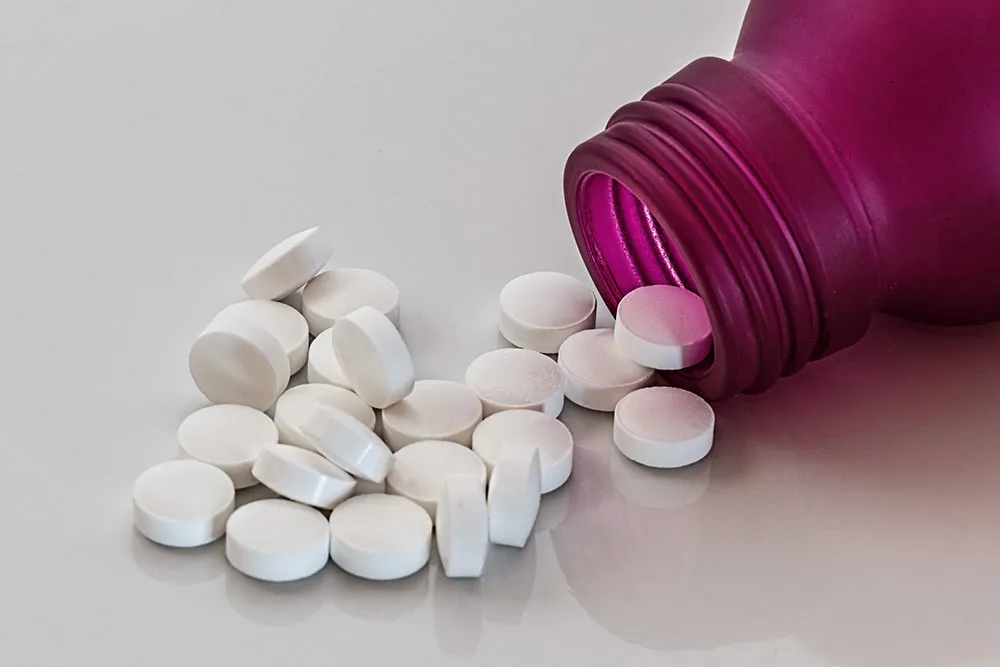
The Opioids We Treat
Opioid addiction covers several drugs, and while the treatment approach is shared, each has its own pattern and its own page. We treat the full range in our men’s program.
Prescription painkillers. Opioids like oxycodone (OxyContin, Percocet) and hydrocodone (Vicodin) are the most common starting point, and often the path to stronger street opioids. Our prescription drug treatment page covers them.
Heroin. A street opioid now almost always cut with stronger synthetic opioids, which raises both withdrawal severity and overdose risk. Our heroin rehab page covers it in detail.
Fentanyl. A synthetic opioid far stronger than morphine, and the drug behind most opioid overdose deaths today. Our fentanyl addiction treatment page covers it.
The Street Supply Is Unpredictable
The most important thing to understand about opioid addiction today is that you often cannot be sure what you are actually taking. Pills, powders, and street opioids are frequently cut with stronger synthetic opioids, usually without the buyer knowing, which is the main reason overdose deaths have climbed so sharply.
This is also why so many men no longer know exactly what they are dependent on, and it does not matter for getting started. Whatever you have been using, the first steps are the same: a medical assessment, supervised detox, and medication. The unpredictability is exactly what makes detoxing alone riskier than it used to be. After any stretch without opioids, tolerance drops, so a single relapse can be far more dangerous than the last time. Getting through withdrawal in a medical setting is what keeps that from turning fatal.
Medication-Assisted Treatment For Opioids
Medication is the front-line treatment for opioid addiction, not an afterthought. Opioid use disorder is the form of addiction where medication combined with therapy is the proven standard of care, and for strong opioids it is often what makes recovery possible.
We use buprenorphine, which eases withdrawal and quiets cravings without the dangerous high, and naltrexone, which blocks opioids so that a return to use produces no effect. Which one fits depends on where a man is in recovery and is decided with our medical team. Medication-assisted treatment can begin during detox, shortening the worst of withdrawal and reducing the cravings that pull men back.
Medication is not the whole answer, but for opioids it is the foundation the rest of recovery is built on.

Detox And The Continuum Of Care
Getting the drug out of the body safely is the first step, and for opioids it is not one to skip. Our medical team supervises withdrawal around the clock, managing the aches, nausea, sweating, and cravings that peak in the first days, and starting medication during detox to ease it.
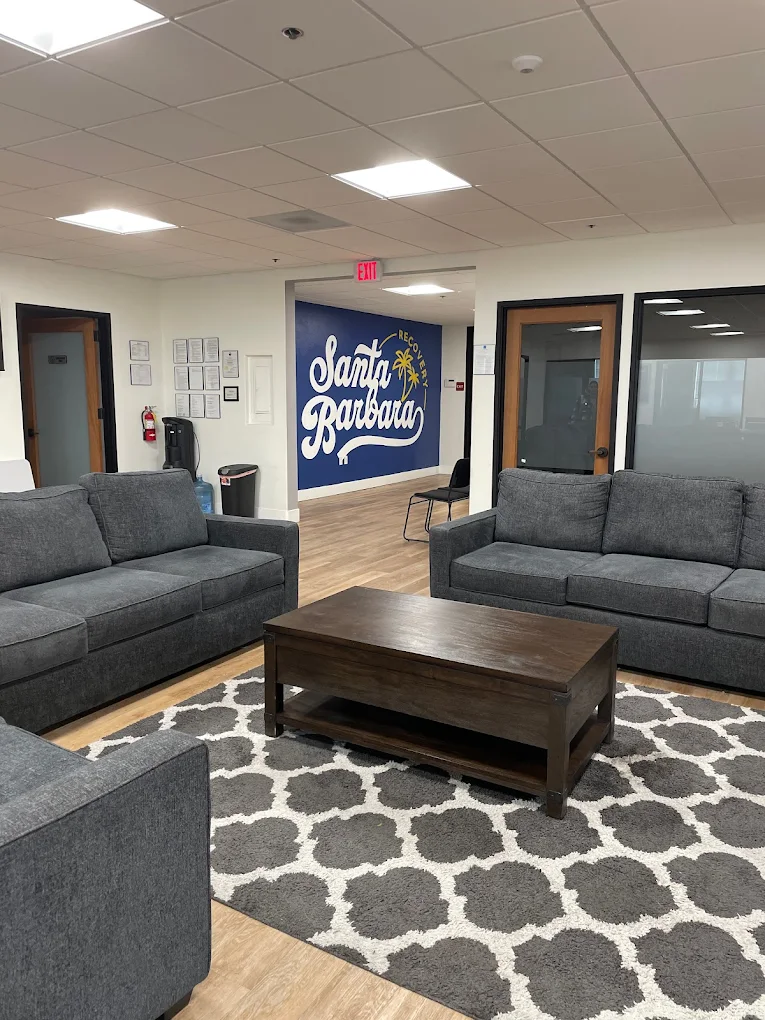
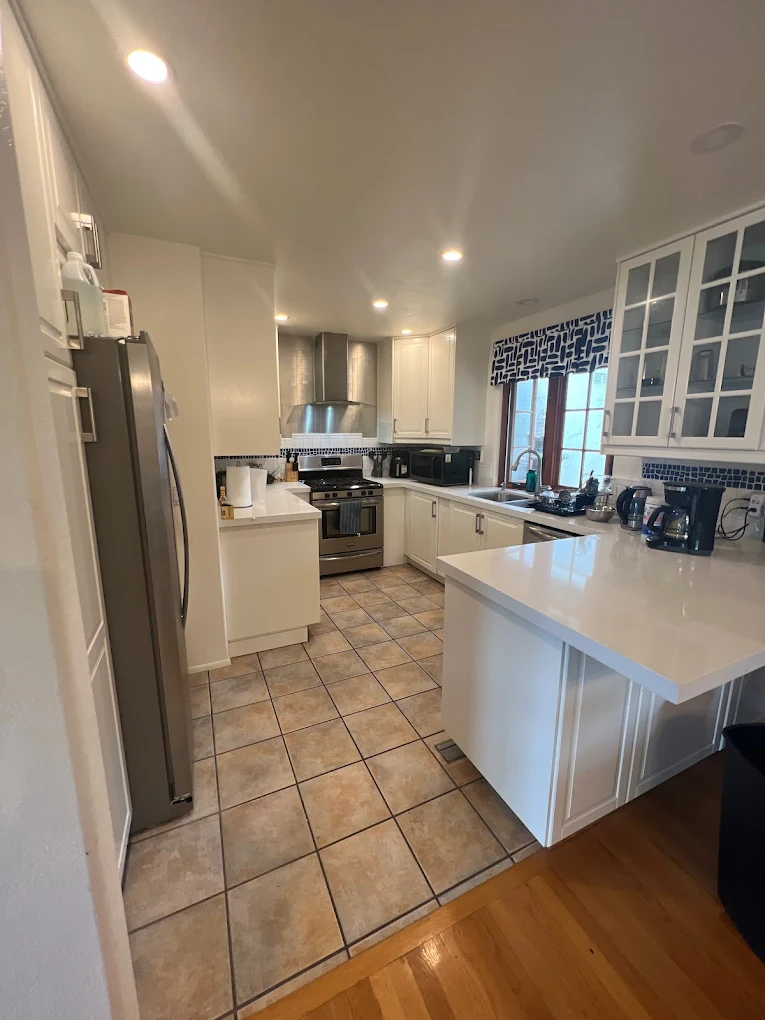
From there, a man moves into residential treatment, living on site and away from access while the real work begins. Partial Hospitalization and Intensive Outpatient step the structure down as he stabilizes, and outpatient care and sober living carry recovery into daily life. Aftercare continues long after, because opioid recovery is measured in months and years, not days.
Treating What's Underneath
Opioid addiction rarely stands alone. Many men begin using opioids for real pain, or to manage depression, anxiety, or trauma, and treating the addiction without treating that underlying reason rarely lasts. The pain or the mental health condition the opioids were managing does not disappear when they stop.
Our dual diagnosis care treats both at once. Cognitive Behavioral Therapy, group and family therapy, and experiential work help men build a life that does not depend on opioids, while our clinical team addresses the pain, depression, or trauma underneath.

Insurance And Cost
We work with all major insurance providers, and most commercial plans cover opioid addiction treatment. Verify your benefits with us and we will tell you what is covered, quickly and confidentially, before you commit to anything.
Most plans cover medically supervised detox, residential treatment, and the outpatient care that follows. If you do not have insurance or it falls short, private pay and scholarship options exist. Call and we will walk through what is realistic for your situation.
Frequently Asked Questions
What counts as an opioid?
Opioids include prescription painkillers like oxycodone and hydrocodone, heroin, and fentanyl. They all act on the brain’s opioid receptors and cause dependence in similar ways, which is why they share a common treatment approach built on medical detox and medication.
Do you use medication to treat opioid addiction?
Yes. We use buprenorphine and naltrexone, the FDA-approved medications for opioid use disorder, combined with therapy. This is medication-assisted treatment, the standard of care for opioid addiction, and it sharply reduces cravings and relapse.
Is opioid withdrawal dangerous?
Opioid withdrawal is rarely life-threatening on its own, but it is severe, and the real danger is what comes after. Tolerance drops once use stops, so relapsing on an unpredictable supply carries a high overdose risk. Medically supervised detox keeps the process safe and starts medication to reduce that risk.
What if I'm not sure which opioid I'm dependent on?
That is common, and these days many men cannot be certain what they have been using. The starting point is the same regardless: a medical assessment, supervised detox, and medication. From there, treatment addresses whatever opioids are involved.
Does insurance cover opioid treatment?
Yes. We work with all major insurance providers, and most plans cover detox, residential treatment, and outpatient care. We verify your benefits in minutes so you know where you stand first.
Is treatment only for men?
Yes. Santa Barbara Recovery is a men’s-only program, built entirely around men in recovery.
How do I start?
Call (805) 429-1203 or verify your insurance online. Admissions is open 24 hours a day, and we will guide you through every step.
Hear From Men Who Found Recovery Here
The men who came through our program tell it better than we can. These are real stories of getting sober and staying sober at Santa Barbara Recovery.
Opioid Addiction Is Treatable. Start Today.
Opioids are among the hardest drugs to quit alone and the most dangerous to keep using. The good news is that opioid addiction is also one of the most treatable, because medical detox and medication genuinely work. We get you through withdrawal safely, start the medication that takes the cravings off the table, and treat what is underneath. Call (805) 429-1203.

Medically Reviewed By
Dr. Courtney Scott, MD — Medical Director, board-eligible in Addiction Medicine.
This page was reviewed for clinical accuracy against current American Society of Addiction Medicine (ASAM) guidelines, SAMHSA practice standards, and the National Institute on Drug Abuse.
Dr. Scott oversees medical care and clinical quality at Santa Barbara Recovery.