









Heroin rehab at Santa Barbara Recovery is a men’s residential program for adult men addicted to heroin. We start with medically supervised detox to get you through withdrawal safely, then use medication-assisted treatment, residential care, and therapy to keep you off heroin for good. Most heroin today is laced with fentanyl, which makes medical detox essential. We work with all major insurance.
You've Tried To Quit Before. Here's What Was Missing.
If you are looking at heroin rehab, you have probably already tried to stop on your own, more than once, and the withdrawal pulled you back every time. That is not a failure of willpower. Heroin rewires the brain so that quitting cold turkey means days of sickness most people cannot endure alone, and the relief of one more use is always within reach.
What was missing was not effort. It was medical support to get through withdrawal without suffering, medication to quiet the cravings that outlast detox, and a program that treats why you started using in the first place. That is what changes the outcome this time.

Heroin Is Not Just Heroin Anymore
The heroin sold today is almost never pure heroin. It is routinely cut with fentanyl, a synthetic opioid 50 to 100 times stronger than morphine, and often you cannot tell by looking. This is why heroin overdoses have climbed so sharply, and why men who have used for years are dying from a dose that looked no different from any other.
Fentanyl contamination changes what recovery requires. Withdrawal can be more severe, overdose risk is higher, and detoxing without medical support is more dangerous than it was even a few years ago. When you come to us, we treat heroin dependence knowing fentanyl is almost certainly part of the picture, because today it almost always is.
Heroin and fentanyl are both opioids, but they differ in ways that matter for safety and treatment. Heroin is derived from the opium poppy; fentanyl is synthetic and far more potent. The critical problem today is that the two are no longer separate: most street heroin contains fentanyl, often without the user knowing.
Heroin vs. Fentanyl
Heroin | Fentanyl | |
Source | Derived from the opium poppy | Fully synthetic, made in labs |
Potency | Strong opioid | 50 to 100 times stronger than morphine |
Overdose risk | High | Far higher; about 2mg can be fatal |
How it’s used | Sold as a drug itself | Often mixed into heroin, pills, and other drugs |
In the supply today | Usually contains fentanyl | The main driver of opioid deaths |
Treatment | Medical detox, MAT, therapy | Medical detox, MAT, therapy |
The most important line in that table is the last one. Whether a man is dependent on heroin, fentanyl, or, as is most common now, both at once, the treatment is the same: medically supervised detox, medication-assisted treatment, and therapy. We treat the dependence and the danger together.
Heroin Withdrawal And Medical Detox
Heroin withdrawal is rarely life-threatening, but it is the wall that stops most people from quitting, and getting through it safely is where rehab begins. The sickness, what users call being dopesick, is intense but survivable with medical help, and it does not have to be endured alone.
Withdrawal usually starts within 6 to 12 hours of the last use, peaks around days two to three, and eases over about a week. It brings muscle and bone aches, nausea, vomiting, diarrhea, sweating, chills, insomnia, and cravings that feel impossible to ignore. Our medical team manages these symptoms around the clock and can begin medication during detox, which shortens the worst of it and blunts the cravings from day one.
The danger is not the withdrawal itself. It is the relapse it drives, and with fentanyl in the supply, a relapse after detox, when tolerance has dropped, is how overdoses happen. Finishing treatment, not just detox, is what keeps you alive.
Why is Heroin Addictive?
The rapid onset of heroin’s effects, such as the initial surge of euphoria, is a key factor in its high potential for substance abuse. The drug creates a profound sense of well-being and is often described by users as a “rush.” These powerful effects create a strong link between the drug’s use and its intense reinforcing properties, leading to compulsive use despite the known risks and severe consequences.
Heroin misuse can quickly lead to the development of a tolerance, which means that users need more and more of the drug to achieve the same effects. Soon after, physical dependence can develop, leading to withdrawal symptoms that can be excruciating, further reinforcing the cycle of abuse. Typically, users need to seek heroin detox to break the physical dependence.
Medication-Assisted Treatment For Heroin
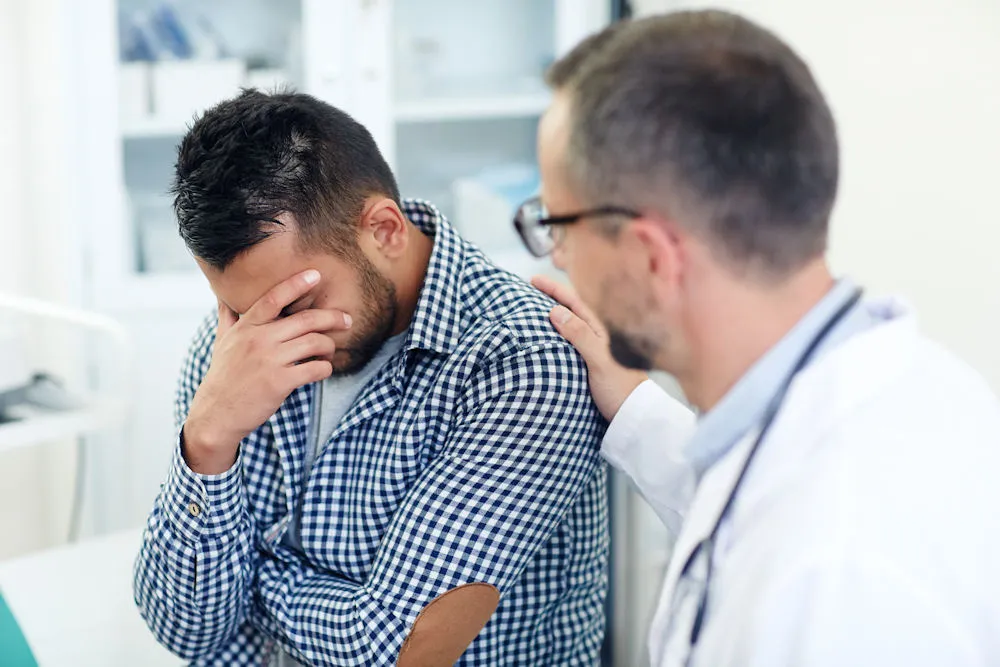
Medication is a proven, front-line treatment for heroin addiction, not a crutch or a replacement of one drug with another. For opioid use disorder, medication combined with therapy is the standard of care, and it is often the difference between a detox that holds and one more relapse.
We use buprenorphine, which eases withdrawal and quiets cravings without the heroin high, and naltrexone, which blocks opioids so that a return to use produces no effect. Which fits depends on where you are in recovery and is decided with our medical team. Medication can start during detox and continue as long as it helps, giving you stable ground to do the rest of the work.
Medication alone is not recovery, but for heroin it removes the constant pull of cravings so the deeper work can actually happen.
Heroin And The Opioid Cluster
Heroin addiction is opioid use disorder, the same condition behind fentanyl and prescription painkiller addiction, and it responds to the same treatment. Many men move between them: a prescription that ran out and became heroin, or heroin that turned out to be fentanyl. Because the underlying disorder is the same, our opioid treatment, fentanyl addiction program, and prescription drug rehab share one clinical backbone of medical detox, medication, and therapy. Treatment addresses the whole pattern, not a single drug.
Therapy And Dual Diagnosis
Once medication has steadied the cravings, therapy is where lasting recovery is built. Cognitive Behavioral Therapy helps you rebuild the thinking and routines heroin took over, and group and family therapy repair what addiction damaged. Experiential work helps your brain relearn how to feel good without opioids, which after long-term heroin use can take time.
Dual diagnosis care runs through all of it. Many men start using heroin to escape depression, anxiety, or trauma, and unless that is treated, it stays as the reason to use again.

Insurance And Cost
We work with all major insurance providers, and most commercial plans cover heroin rehab. Verify your benefits with us and we will tell you what is covered, fast and confidentially, before you commit to anything.
Most plans cover medically supervised detox, residential treatment, and the outpatient care that follows. If you do not have insurance or it falls short, private pay and scholarship options exist, because cost should not be the reason you stay on heroin another week. Call and we will walk through what is realistic for you.
Frequently Asked Questions
Is heroin withdrawal dangerous?
Heroin withdrawal is rarely life-threatening on its own, but it is severe, and the danger is the relapse it drives. With fentanyl now common in the supply, relapsing after your tolerance has dropped carries a high overdose risk. Medically supervised detox keeps you safe and starts medication to ease it.
How long does heroin withdrawal last?
Acute withdrawal usually starts within 6 to 12 hours, peaks around days two to three, and eases over about a week. Cravings and low mood can linger longer, which is why medication and ongoing treatment matter after detox.
Do you use medication to treat heroin addiction?
Yes. We use buprenorphine and naltrexone, FDA-approved medications for opioid use disorder, combined with therapy. This is medication-assisted treatment, the standard of care for heroin addiction, and it sharply reduces cravings and relapse.
Is most heroin really laced with fentanyl?
Yes, in most of the country the heroin supply is widely contaminated with fentanyl, often without the user knowing. This raises overdose risk and makes medically supervised detox more important than ever.
What if I've relapsed before?
Relapse is common with heroin and does not mean treatment cannot work. It usually means detox alone was not enough. Medication-assisted treatment and a full program address the cravings and causes that detox by itself leaves untouched.
Does insurance cover heroin rehab?
Yes. We work with all major insurance providers, and most plans cover detox, residential treatment, and outpatient care. We verify your benefits in minutes so you know where you stand first.
Is treatment only for men?
Yes. Santa Barbara Recovery is a men’s-only program, built entirely around men in recovery.
How do I start?
Call (805) 429-1203 or verify your insurance online. Admissions is open 24 hours a day, and we will guide you through every step from the first call.
Hear From Men Who Found Recovery Here
The men who came through our program tell it better than we can. These are real stories of getting sober and staying sober at Santa Barbara Recovery.
Stop Fighting Heroin Alone. Start Today.
You already know you cannot outlast the withdrawal on willpower, and with fentanyl in the supply, the stakes are higher every time. We get you through detox safely, take the cravings off the table with medication, and treat what is underneath so this time is different. Call (805) 429-1203.

Medically Reviewed By
Dr. Courtney Scott, MD — Medical Director, board-eligible in Addiction Medicine.
This page was reviewed for clinical accuracy against current American Society of Addiction Medicine (ASAM) guidelines, SAMHSA practice standards, and the National Institute on Drug Abuse.
Dr. Scott oversees medical care and clinical quality at Santa Barbara Recovery.