

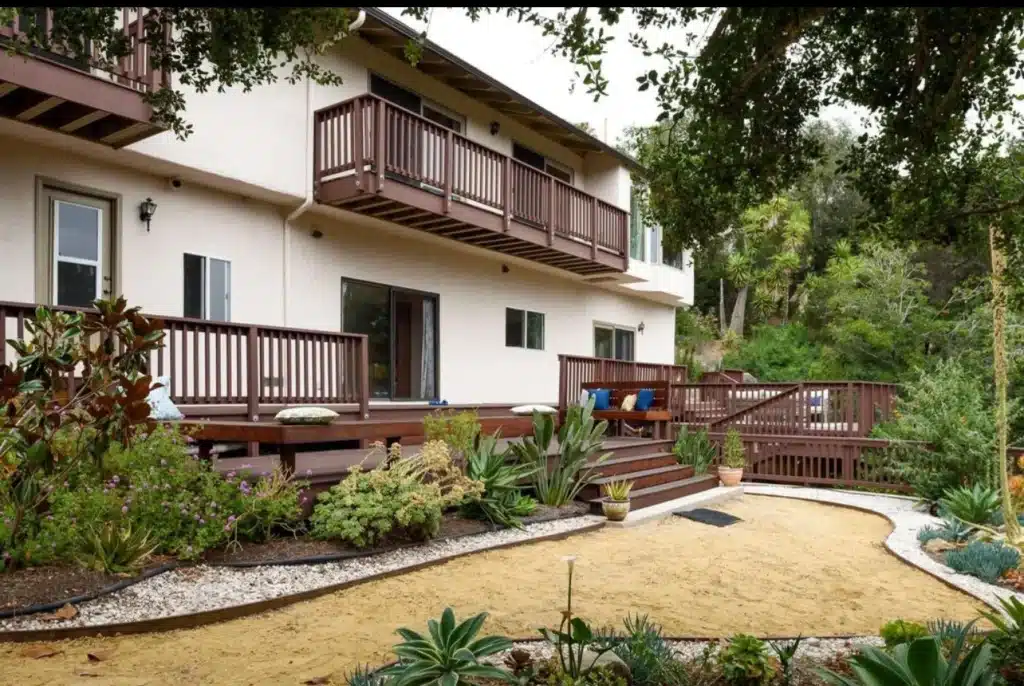
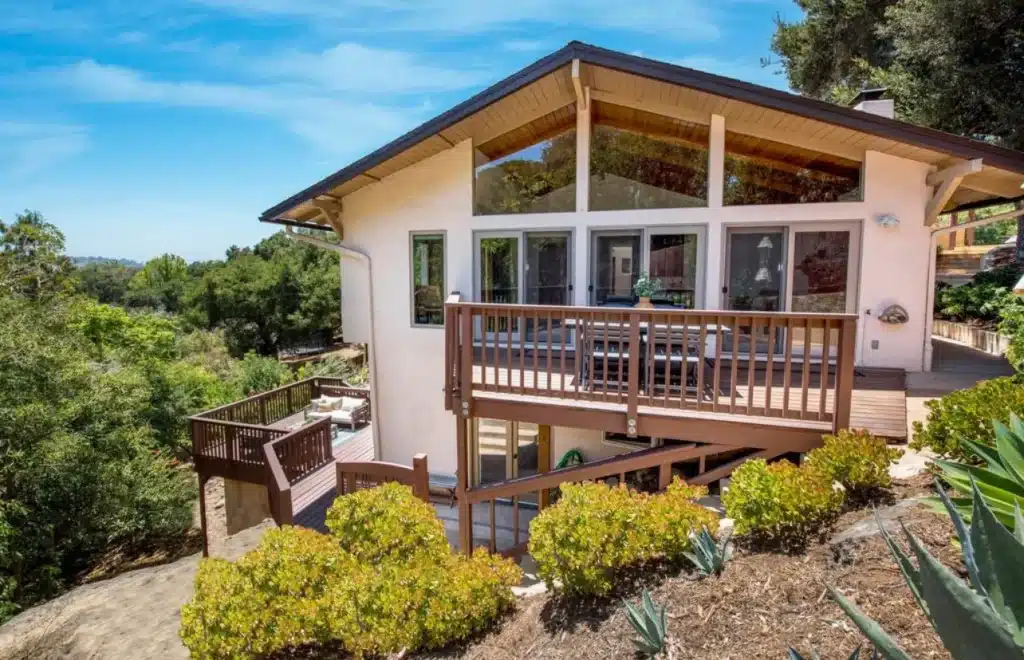
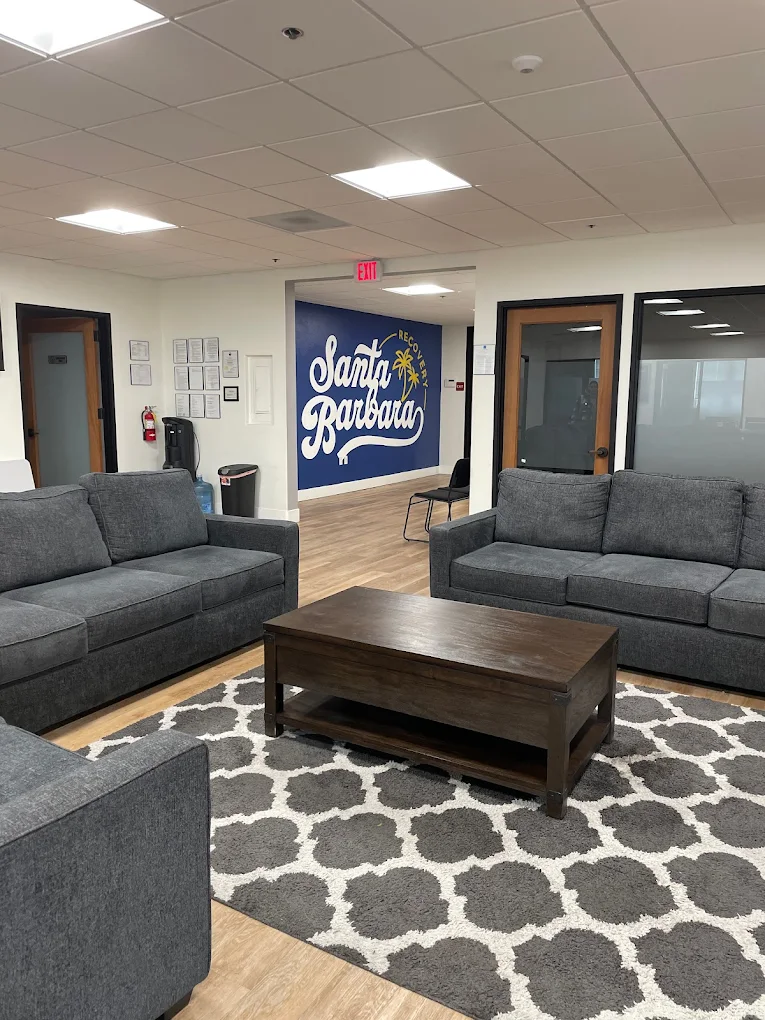
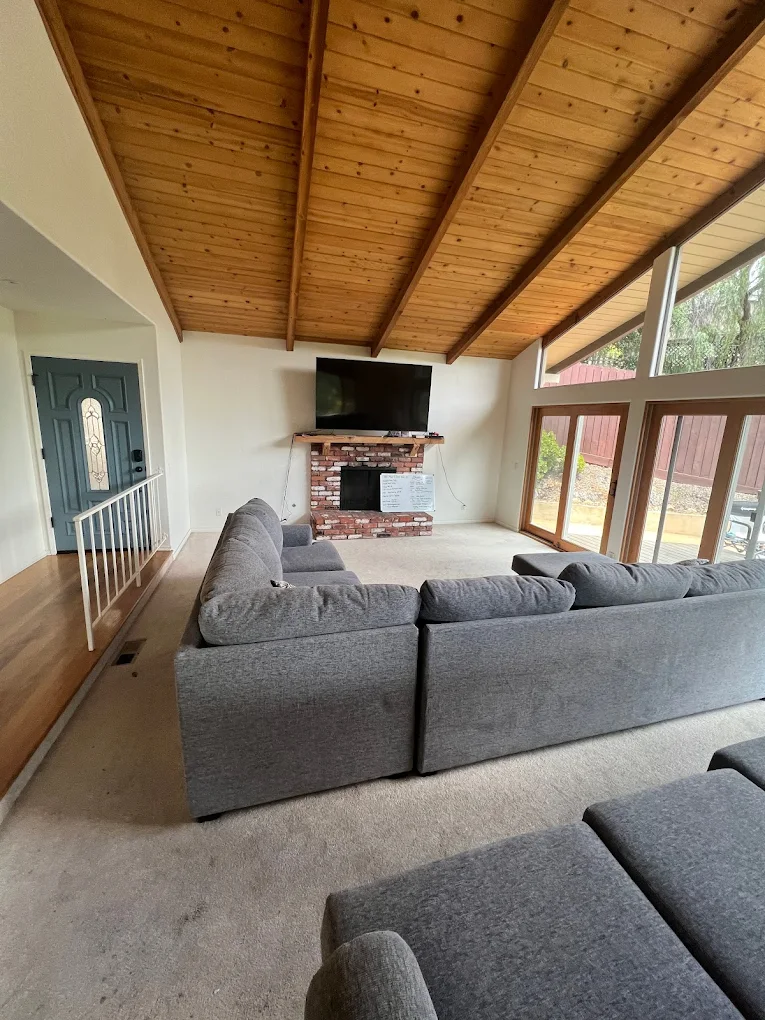
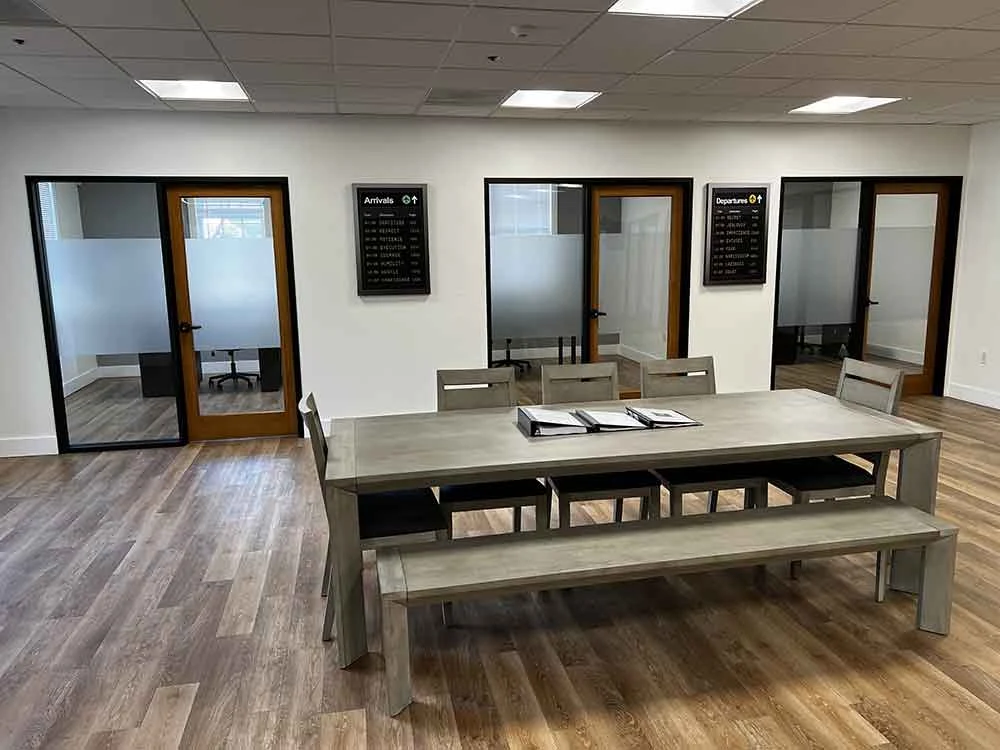
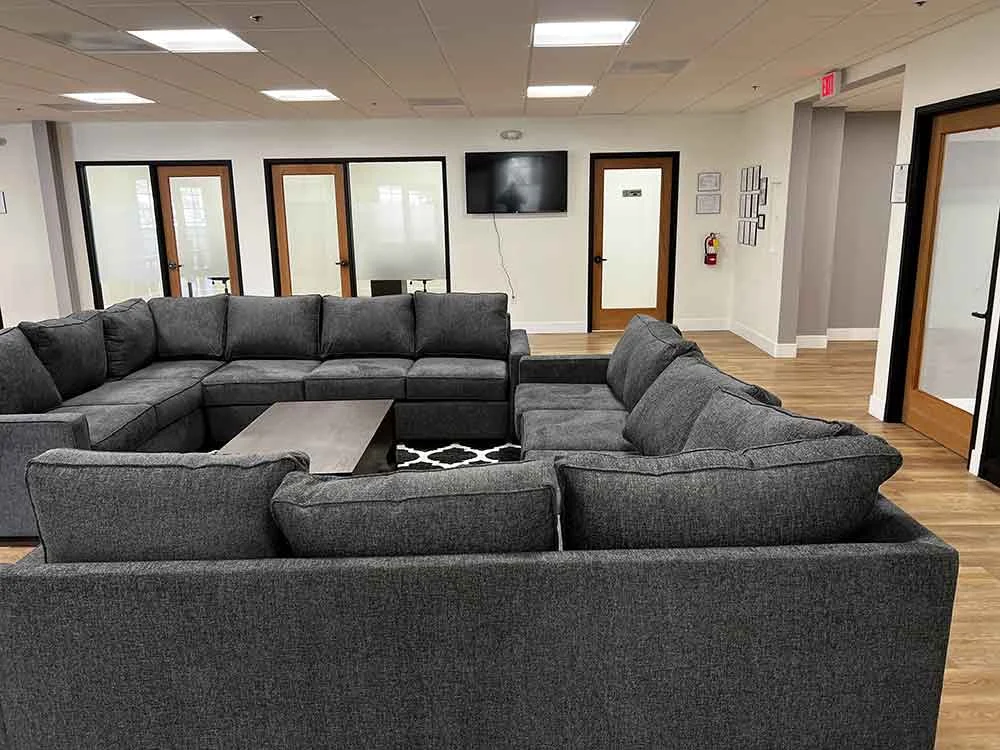
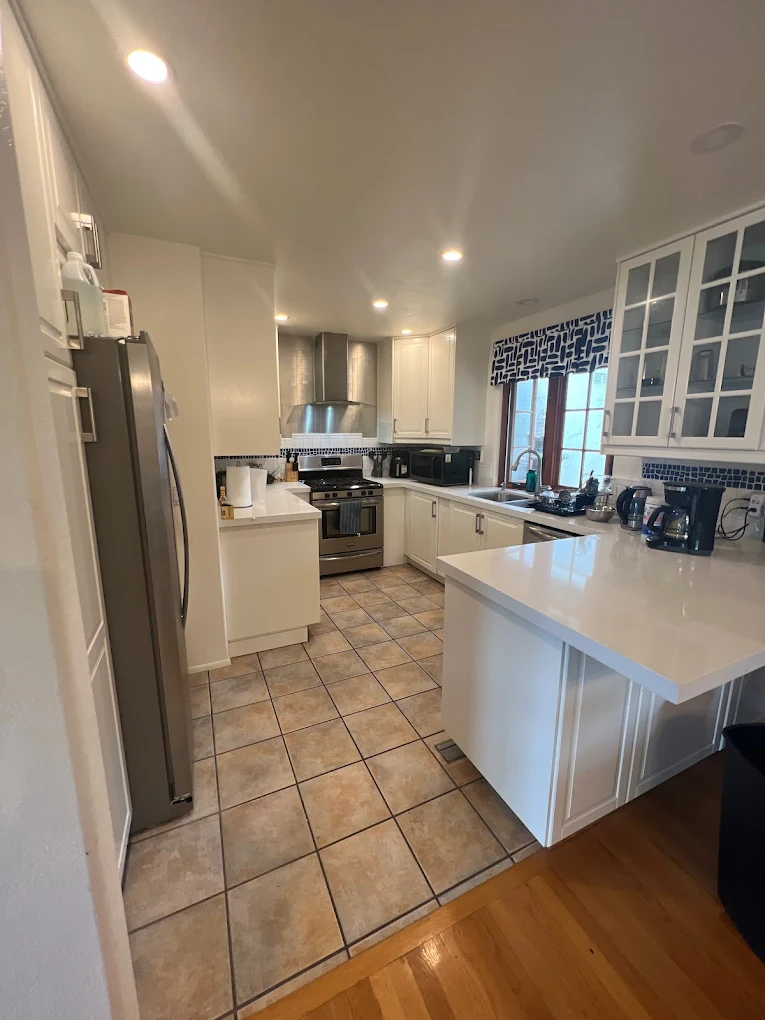


Men’s sober living at Santa Barbara Recovery is structured, substance-free housing where men in recovery live together with support and accountability while rebuilding independent life. Residents hold jobs, manage their own routines, and stay connected to treatment, with house structure, drug testing, and peer community keeping recovery steady. It is the bridge between formal treatment and living fully on your own.
Who Sober Living Is For
Sober living is the right next step for men who have completed or are finishing treatment and are not ready to return to their old living situation. It fits men whose home environment is unstable, unsupportive, or full of triggers, men who want to protect early sobriety while rebuilding, and men stepping down through outpatient care who benefit from a sober home around them.
It is also a strong fit for men who are doing well in treatment but know that going straight home would undo it. If the people, places, or pressures waiting at home put your recovery at risk, sober living gives you a stable base to build from until your footing is solid. Our team helps you decide whether it is the right move for you.

What Sober Living Is
Sober living is structured, substance-free housing for men transitioning from treatment back to independent life. It is not clinical treatment, it is where you live while you put recovery into practice: a drug- and alcohol-free home, shared with other men in recovery, with house rules, accountability, and support built in. For many men it is the step that makes early sobriety actually hold.
The idea is to practice real life with a safety net still under you. You go to work, manage your own time and money, handle daily responsibilities, but you do it from a stable, sober environment with structure and people who keep you accountable. Leaving treatment straight into an old environment is where many men relapse, sober living is the bridge that prevents that drop.
Life in Sober Living
A men’s sober living home runs on structure and accountability. Residents keep to house rules, submit to regular drug testing, attend house meetings, and share responsibility for the home, all of which build the daily discipline that recovery depends on. House managers provide support and hold the structure, so the environment stays sober and stable.
What makes it work is that you practice real-world living while you do it. Men in sober living manage their own finances, hold down jobs, prepare their own meals, and maintain their living spaces, the ordinary skills that addiction often erodes and that independent sober life requires. You rebuild the capacity to run your own life in a setting where slipping has support around it rather than a cliff.

Brotherhood and Accountability
Sober living works because no one does it alone. Living alongside other men in recovery breaks the isolation that feeds addiction and replaces it with a community that understands exactly what you are working through. The accountability is mutual, men hold each other to the standard, celebrate each other’s progress, and notice when someone is struggling.
For many men this brotherhood is the part that sticks. The relationships built in a sober home, with peers and with house managers who have walked the same road, often become the support system that carries recovery long after the formal program ends. It is structure and accountability, but it is also belonging.
Sober Living and Your Treatment
Sober living fits into the larger continuum of recovery, not apart from it. Many men live in sober housing while still attending treatment, pairing it with our Intensive Outpatient Program so they get clinical care during the day and a sober, structured home at night. The two together are often stronger than either alone in early recovery.
As treatment winds down, sober living continues as the stable base underneath outpatient care, alumni involvement, and the return to work and family. It is the housing layer that holds steady while the clinical support gradually steps back, so independence arrives as a gradual handoff rather than a sudden drop.

Cost and Getting In
Sober living is paid for differently than clinical treatment. Because it is housing rather than a medical level of care, it is usually not billed to insurance the way detox or residential treatment is, residents typically pay for their stay, and we are upfront about what that looks like before you commit.
What insurance often does cover is the treatment you attend while living there, like IOP or outpatient care. We help you sort out which parts your plan covers and what the sober living itself costs, so there are no surprises. Call and we will walk through the full picture for your situation.
Frequently Asked Questions
What is sober living?
Sober living is structured, substance-free housing for men transitioning from treatment back to independent life. It is not clinical treatment, it is a drug- and alcohol-free home, shared with other men in recovery, with house rules, drug testing, accountability, and support that help early sobriety hold.
How long do men stay in sober living?
Length varies by where a man is in recovery, commonly several months, with many staying anywhere from three months to a year depending on progress and goals. The aim is to stay until independent sober living feels solid, not to hit a fixed date.
What's the difference between sober living and a halfway house?
They are often confused, but they are not the same. Halfway houses are frequently tied to the criminal justice system and time-limited, while sober living is a voluntary, recovery-focused home you choose and stay in as long as it serves your sobriety. Ours is the latter.
Is sober living the same as rehab?
No. Rehab is clinical treatment, sober living is structured housing. Many men do both, living in a sober home while attending outpatient treatment, but sober living itself is about where and how you live while you rebuild, not clinical care.
Can I work while in sober living?
Yes, and most men do. Holding a job is part of the point, sober living is where you practice real-world responsibilities like work, finances, and daily routines from a stable, sober base. House structure is built to support a working life.
Do you drug test in sober living?
Yes. Regular drug testing is a standard part of sober living and a key piece of what keeps the environment safe and accountable for everyone. It is one of the structures that makes the home a place recovery can hold.
Does insurance cover sober living?
Sober living housing is usually paid for by residents rather than billed to insurance, though the treatment you attend while living there, like IOP, often is covered. We are upfront about costs and help you sort out what your plan covers.
How do I start?
Call (805) 429-1203 or verify your insurance online. Admissions is open 24 hours a day, and we will walk you through sober living options and how they fit your recovery.
Hear From Men Who Found Recovery Here
The men who came through our program tell it better than we can. These are real stories of getting sober and staying sober at Santa Barbara Recovery.
A Stable, Sober Place to Rebuild. Start Today.
Leaving treatment does not have to mean going back to where it started. Sober living gives you a structured, sober home and a community of men rebuilding alongside you, so independence comes with support under it. When you are ready, we are here 24 hours a day. Call (805) 429-1203.

Medically Reviewed By
Dr. Courtney Scott, MD — Medical Director, board-eligible in Addiction Medicine.
This page was reviewed for clinical accuracy against current American Society of Addiction Medicine (ASAM) guidelines, SAMHSA practice standards, and the National Institute on Drug Abuse.
Dr. Scott oversees medical care and clinical quality at Santa Barbara Recovery.