

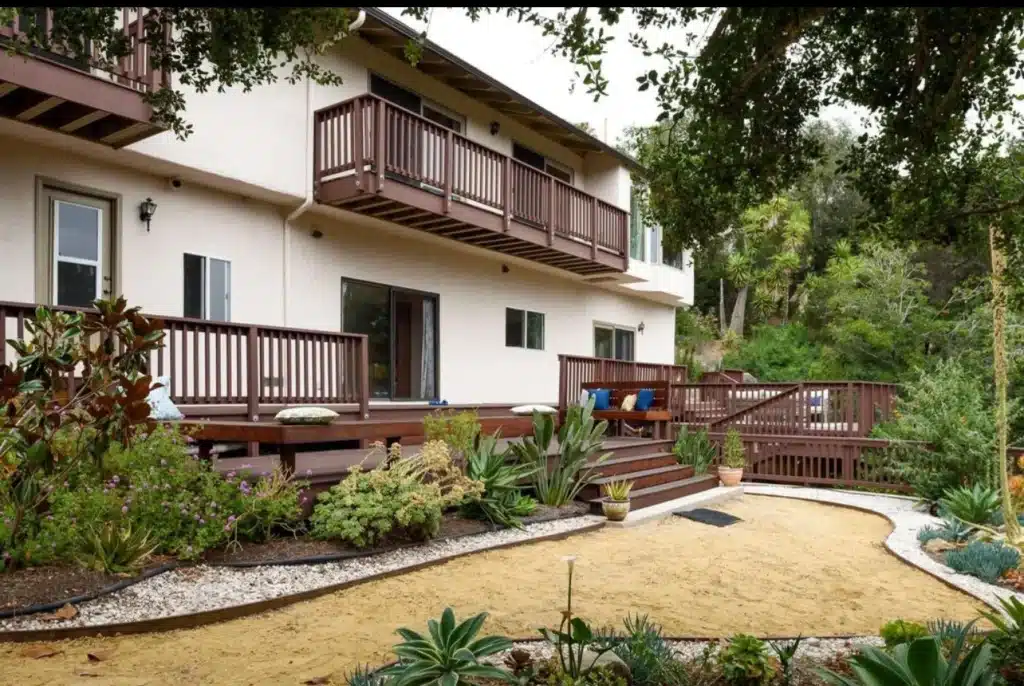
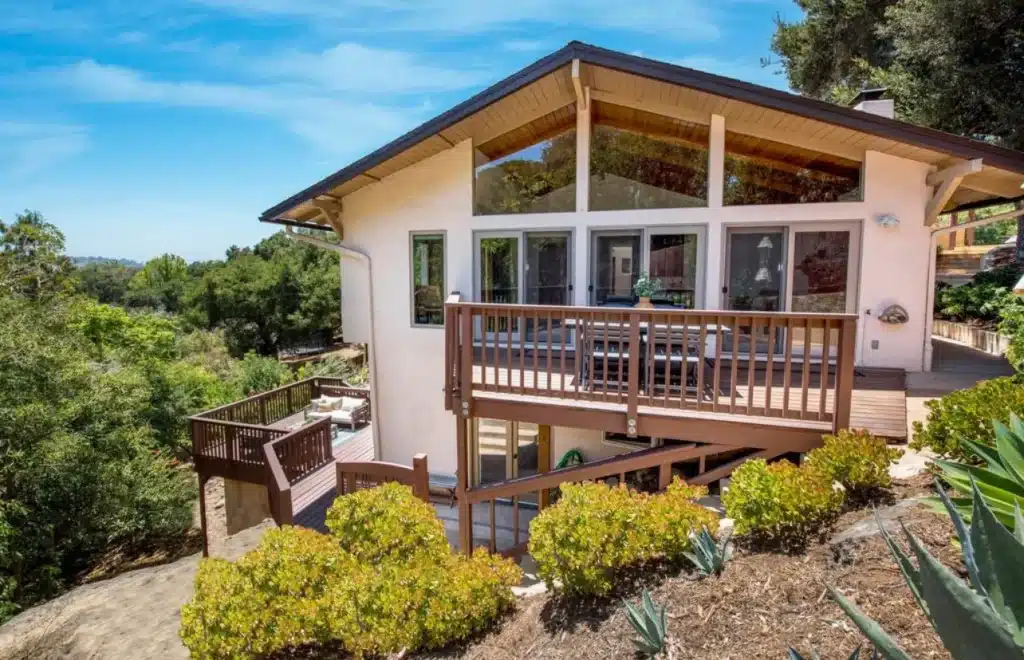
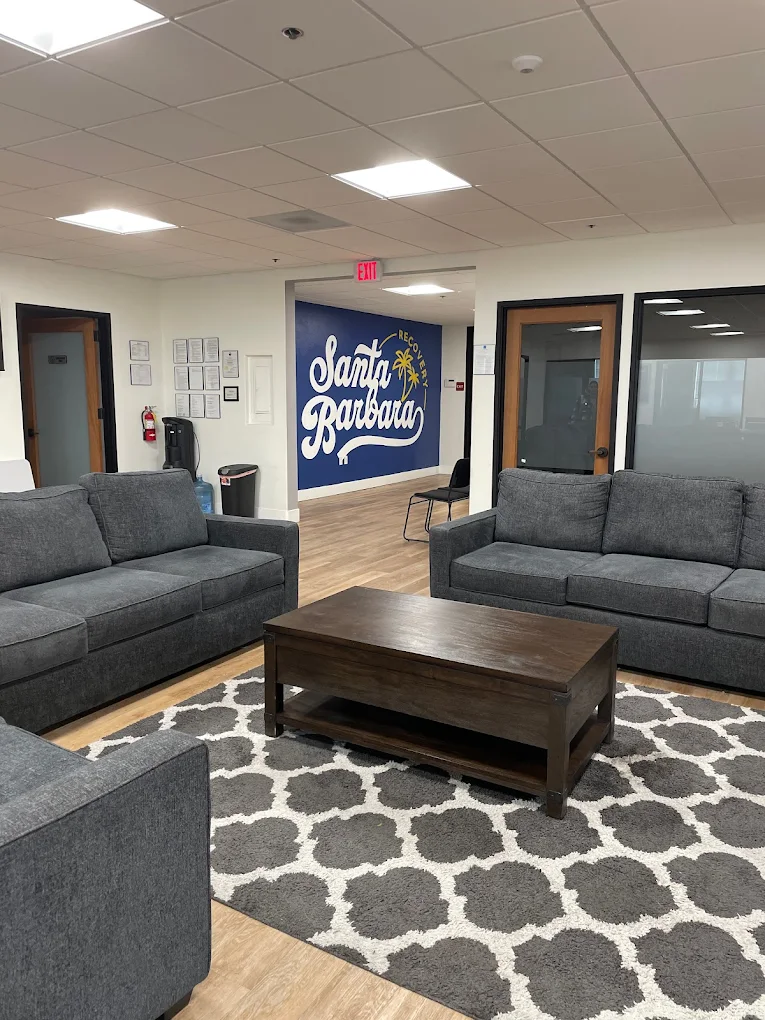
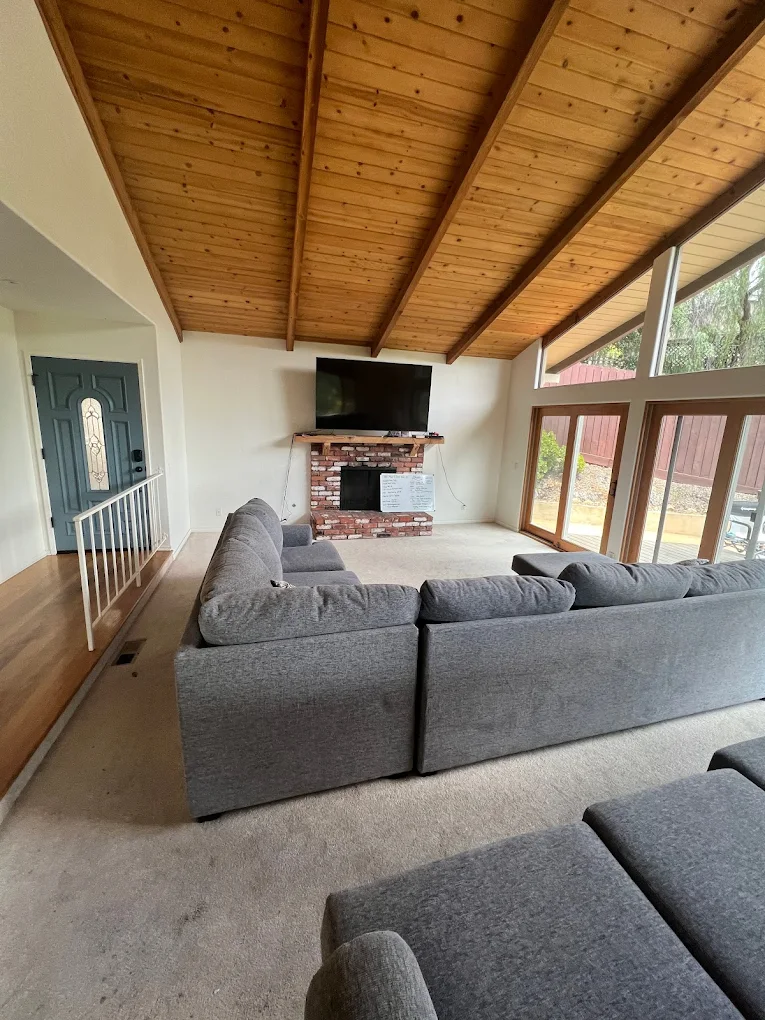


Benzodiazepine addiction treatment at Santa Barbara Recovery is a men’s residential program in California for adult men dependent on Xanax, Klonopin, Ativan, or Valium. We provide medically supervised detox with a safe taper, residential and outpatient care, and dual diagnosis treatment for the anxiety underneath. We work with all major insurance.
Who Benzodiazepine Treatment Is For
Benzodiazepine treatment at Santa Barbara Recovery is built for adult men who became dependent on benzodiazepines, whether the prescription was theirs or not. You will recognize yourself in one of these situations.
You were prescribed Xanax, Klonopin, Ativan, or Valium for anxiety, panic, or insomnia, and somewhere along the way your body stopped letting you quit. The dose that once worked no longer does, and trying to stop brings the anxiety back worse than before. You followed the directions and still ended up dependent.
You have been taking benzodiazepines longer or heavier than prescribed, mixing them with alcohol or opioids, or buying them to keep the withdrawal away. What started as relief has become something you organize your day around.
You have tried to quit on your own and the withdrawal frightened you, racing heart, sleepless nights, the early warning signs of a seizure. Benzo withdrawal is one of the few that can kill you, which is why stopping under medical supervision is not optional.
If you are not sure where you fall, call (805) 429-1203 and we will talk it through. Admissions is available 24 hours a day.

Benzodiazepines We Treat
Benzodiazepines are a class of sedatives prescribed for anxiety, panic, and insomnia, and all of them carry dependence risk with regular use. We treat dependence on every common benzodiazepine, whether short-acting or long-acting.
Brand Name | Generic Name | Commonly Prescribed For | Acting Duration |
Xanax | Alprazolam | Anxiety, panic disorder | Short-acting |
Ativan | Lorazepam | Anxiety, insomnia | Short-acting |
Klonopin | Clonazepam | Panic disorder, seizures | Long-acting |
Valium | Diazepam | Anxiety, muscle spasm, withdrawal | Long-acting |
Short-acting benzodiazepines like Xanax and Ativan leave the body fast, which often makes withdrawal hit harder and sooner. Long-acting ones like Valium and Klonopin clear more slowly. This difference matters in treatment, because a safe taper often moves you onto a longer-acting benzodiazepine first to smooth the withdrawal out.
Benzo Withdrawal And Why You Should Not Quit Cold Turkey
Benzodiazepine withdrawal can be life-threatening, and that is not an exaggeration. Stopping suddenly after regular use can cause seizures, which is why benzodiazepines, like alcohol, should never be quit cold turkey without medical supervision.
Withdrawal usually begins within 24 hours for short-acting benzos like Xanax and within a few days for long-acting ones like Valium. Early symptoms include rebound anxiety, insomnia, racing heart, sweating, and tremors. In more severe cases, withdrawal brings on confusion, hallucinations, and grand mal seizures.
Benzo withdrawal is also unusual in how long it can last. Some men experience protracted withdrawal, where anxiety, sleep problems, and difficulty concentrating linger for weeks or months after the drug is gone. This is real, it is temporary, and it is one of the reasons aftercare matters so much for benzodiazepine recovery.
What Benzodiazepine Treatment Looks Like
Treatment for benzodiazepine dependence centers on a medically supervised taper, gradually lowering the dose so your brain can adjust without the danger of sudden withdrawal. This is the safest path off benzodiazepines, and it is the core of what we do.
Detox comes first. Our medical team supervises your taper around the clock, often cross-tapering you onto a longer-acting benzodiazepine like diazepam to smooth the process, while managing symptoms and keeping you safe and stable.
Residential treatment is the core of rehab. You live on site and focus fully on recovery, with daily clinical care and therapy. From there you step down through Partial Hospitalization (PHP) and Intensive Outpatient (IOP), easing back into daily life while staying in active treatment. Outpatient care keeps you connected as you return home.
Because benzodiazepines are usually taken for anxiety, panic, or insomnia, treating the dependence without treating what is underneath rarely holds. Every man receives dual diagnosis care, so the anxiety or trauma that led to the prescription is addressed alongside the dependence. Sober living and our alumni program continue the support after formal rehab ends.

Therapies We Use
Dangers Of Benzodiazepine Abuse
Benzodiazepine abuse poses significant dangers, particularly in withdrawal and overdose. Abrupt cessation or rapid reduction of benzodiazepine intake can lead to severe withdrawal symptoms, including seizures, anxiety, insomnia, and potentially life-threatening complications.
The risk of withdrawal emphasizes the importance of gradual tapering under medical supervision. Overdose is a critical concern, especially when benzodiazepines are combined with other central nervous system depressants like alcohol or opioids. Symptoms of overdose may include extreme sedation, respiratory depression, and coma.
Benzodiazepines can also intensify the effects of other substances, amplifying the risk. Prompt medical attention is crucial in cases of overdose. Understanding and addressing these dangers highlight the necessity of responsible prescribing, vigilant monitoring, and timely intervention in the context of benzodiazepine use.

Insurance And Paying For Treatment
We work with all major insurance providers, and most commercial plans cover benzodiazepine treatment. The fastest way to know what your plan covers is to verify your benefits with us. It takes a few minutes, it is confidential, and there is no obligation to enroll.
Most insurance covers medically supervised detox and residential treatment, along with PHP, IOP, and outpatient care, though the amount covered depends on your specific plan, deductible, and level of care. When you verify, we check your coverage directly and explain what it means in plain terms.
If you do not have insurance, or your plan does not cover the full cost, you still have options. We offer private pay and scholarship opportunities so that cost does not stand between a man and the treatment he needs. Call us and we will talk through what is realistic for your situation.
Frequently Asked Questions
Is benzo withdrawal dangerous?
Yes. Benzodiazepine withdrawal is one of the few that can be life-threatening, because stopping suddenly can cause seizures. This is why you should never quit cold turkey and why detox should always happen under medical supervision.
How long does benzo withdrawal last?
Acute withdrawal usually lasts one to four weeks, depending on the benzodiazepine and how long you used it. Some men experience protracted withdrawal, where milder symptoms like anxiety and poor sleep linger for weeks or months. Your medical team manages this throughout treatment.
Can you detox off benzos safely?
Yes, with a medically supervised taper. Rather than stopping suddenly, we lower your dose gradually, often cross-tapering onto a longer-acting benzodiazepine, so your brain adjusts safely. We provide this detox on site, around the clock.
Does insurance cover benzodiazepine treatment?
Yes. We work with all major insurance providers, and most commercial plans cover detox, residential treatment, PHP, and IOP. Verify your benefits with us and we will confirm your specific coverage in a few minutes.
Do you treat the anxiety underneath the addiction?
Yes. Most benzodiazepine dependence starts with anxiety, panic, or insomnia, so every man receives dual diagnosis care. We treat the underlying condition alongside the dependence, because treating one without the other rarely lasts.
Which benzodiazepines do you treat?
We treat dependence on all common benzodiazepines, including Xanax (alprazolam), Klonopin (clonazepam), Ativan (lorazepam), and Valium (diazepam), whether they were prescribed to you or not.
Is treatment only for men?
Yes. Santa Barbara Recovery is a men’s-only program, and every group, therapy, and living arrangement is built around men in recovery.
How do I start?
Call (805) 429-1203 or verify your insurance online. Admissions is available 24 hours a day, and we will walk you through every step from your first call.
Hear From Men Who Found Recovery Here
The men who came through our program tell it better than we can. These are real stories of getting sober and staying sober at Santa Barbara Recovery.
Start Benzodiazepine Treatment Today
Coming off benzodiazepines is not something to do alone, and you do not have to. Maybe you were prescribed them and got trapped, or your use has grown beyond the prescription. We will get you off them safely and treat what is underneath. Call now and talk to someone who understands.

Medically Reviewed By
Dr. Courtney Scott, MD — Medical Director, board-eligible in Addiction Medicine.
This page was reviewed for clinical accuracy against current American Society of Addiction Medicine (ASAM) guidelines, SAMHSA practice standards, and the National Institute on Drug Abuse.
Dr. Scott oversees medical care and clinical quality at Santa Barbara Recovery.