






Anxiety in men often hides in plain sight. You might notice a racing heart, chest tightness, or a “nervous stomach”, symptoms you’d blame on a cardiac or GI problem. It can also surface as irritability, micromanaging, overworking, or withdrawing from people you care about. Disrupted sleep, mental fog, and trouble concentrating frequently show up first. These signs are easy to miss, but they’re worth understanding, especially where anxiety quietly crosses from manageable into clinical.
Key Takeaways
- Physical symptoms like chest tightness, racing heart, and stomach trouble are often mistaken for cardiac or GI illness rather than anxiety.
- Irritability, snapping at small frustrations, and hostility frequently mask underlying tension instead of expressing it directly.
- Micromanaging, rigid routines, and controlling behavior are used to quiet inner unease and create false predictability.
- Overworking, procrastinating, and withdrawing from friends serve as avoidance patterns that distract from anxious thoughts.
- Disrupted sleep, mental fog, and trouble concentrating often appear as early warning signs before clear worry emerges.
What are the signs of anxiety in men
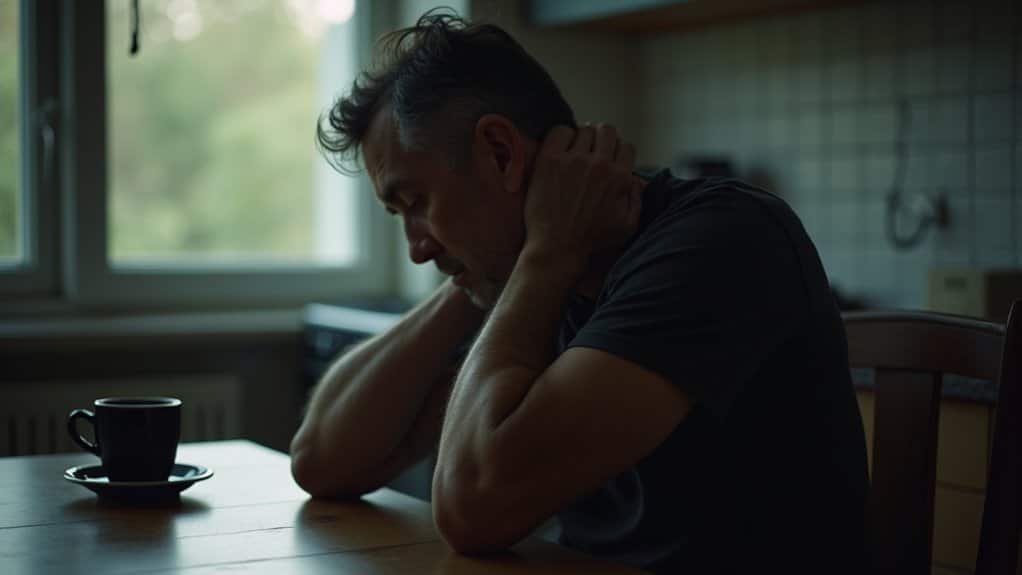
Signs of anxiety in men can include a racing or pounding heart, chest tightness, muscle tension, headaches, digestive troubles, disrupted sleep, irritability, withdrawal, overworking, alcohol use to cope, trouble concentrating, and mental fog. Anxiety in men often hides in plain sight, showing up through the body and behavior rather than open expressions of fear. You might notice muscle tension in your neck, shoulders, jaw, or back, along with nausea or a “nervous stomach.” Behavioral signs matter just as much. You may feel irritable or angry, withdraw from people you care about, overwork to stay distracted, or lean on alcohol to cope. Recognizing these patterns in yourself is the first step toward getting the support you deserve. Often overlooked, men’s mental health and wellbeing deserve open conversation and a supportive space for healing. Encouraging men to share and seek help reduces stigma and builds healthier coping.
Which anxiety symptoms in men get read as a physical illness
Anxiety symptoms in men that get read as physical illness include chest tightness, a racing heart, stomach pain, nausea, headaches, dizziness, shortness of breath, and fatigue. A racing or pounding heart and chest tightness often get mistaken for a cardiac event. Nausea, indigestion, or a “nervous stomach” can look like a digestive disorder. Headaches, dizziness, and shortness of breath may send you to urgent care instead of a therapist.
| Physical Symptom | Often Read As | Possible Anxiety Link |
|---|---|---|
| Chest tightness | Heart problem | Muscle tension, panic |
| Stomach pain | GI illness | Nervous stomach |
| Fatigue | Overwork | Chronic worry |
Because these anxiety symptoms in men surface through the body first, you might chase medical answers while the underlying cause stays hidden longer than it should.
Why does anxiety in men come out as irritability and control

Anxiety in men often comes out as irritability and control because fear, worry, or vulnerability may feel unsafe or unacceptable to express directly. Masculine norms discourage naming fear directly, so anxiety can get rerouted into externalizing behavior that feels more acceptable than admitting vulnerability. You might notice this pattern showing up as:
- Snapping at small frustrations that wouldn’t normally bother you.
- Micromanaging tasks, schedules, or people to quiet inner unease.
- Rigid routines that create a false sense of predictability.
- Impatience or hostility that masks underlying tension.
Control becomes a coping strategy because managing your environment feels easier than managing distressing thoughts. Recognizing that irritability can signal anxiety, rather than a character flaw, helps you address the real cause and seek support.
What does avoidance look like at work and in relationships
Avoidance at work and in relationships can look like overworking, procrastinating, withdrawing, or keeping interactions surface-level to avoid anxiety. At work, you might overload your schedule, delay difficult tasks, or bury yourself in busywork to escape anxious thoughts. Staying constantly busy can feel like dedication, but it may actually be avoidance in disguise.
In relationships, you might pull back from friends, cancel plans, or keep conversations surface-level to sidestep vulnerability. This withdrawal isn’t a lack of interest, it’s a way to avoid distress. Understanding what does anxiety look like in males means recognizing that overworking and isolation frequently signal it. Rather than sadness, depression symptoms in men explained often show up as irritability or frustration, with many masking their struggles behind a facade of strength. Recognizing these signs is crucial for encouraging supportive conversations.
If you notice yourself dodging responsibilities or people to quiet inner tension, it’s worth asking whether anxiety is driving those choices.
Why do sleep and concentration break down first

Sleep and concentration often break down first because they are among the most sensitive systems to a body running on high alert. When your nervous system stays activated, it prioritizes vigilance over rest and focus, so these functions falter early. That’s why male anxiety symptoms frequently show up as restless nights and mental fog before worry becomes obvious.
Here’s what this can look like for you:
- You lie awake, mind racing, unable to power down.
- You wake repeatedly through the night, never feeling rested.
- You reread the same email, unable to hold the thread.
- You forget names, tasks, or details you’d normally recall.
Recognizing these breakdowns early gives you a clearer signal that something deeper deserves your attention.
How does anxiety differ from the everyday stress men brush off
Anxiety differs from everyday stress in how long it lasts and how widely it affects your life. Stress usually ties to a specific pressure, a deadline, a bill, a conflict, and it eases once that pressure lifts. Anxiety doesn’t follow that pattern. It lingers, spreads across unrelated parts of your life, and often shows up without a clear trigger. When stress symptoms in men persist for weeks, disrupt sleep, tighten your muscles, or keep your heart racing long after the stressor’s gone, you’re likely dealing with something more than a rough patch. Everyday stress responds to rest and resolution. Anxiety tends to intensify or generalize, coloring situations that shouldn’t feel threatening. If you notice this reach and staying power, it’s worth taking seriously rather than brushing off.
When does male anxiety cross from manageable into clinical
Male anxiety crosses from manageable into clinical when it persists, intensifies, and begins interfering with daily functioning. The line between manageable and clinical isn’t always obvious, but the symptoms of anxiety in men tend to intensify, persist, and interfere with everyday life. When worry becomes constant and your body stays on high alert, it’s worth paying attention to these signs: Techniques like mindfulness, deep breathing, and cognitive-behavioral therapy are effective support strategies for anxiety management, helping individuals recognize triggers and build healthier coping mechanisms. Professional help offers added support for navigating anxiety.
- Chest pain, shortness of breath, or a racing heart that’s frequent or intense.
- Panic attacks bringing dizziness, choking sensations, sweating, or chest discomfort.
- Ongoing sleep disruption, fatigue, and concentration problems that don’t ease.
- Persistent avoidance of work, relationships, or social situations you once managed.
If these patterns stick around, a professional evaluation can help you regain control.
When Anxiety Stops Looking Like Anxiety
Anxiety does not always announce itself as worry. If you are dealing with chest tightness, poor sleep, irritability, constant tension, withdrawal, or a growing need to control everything around you, those patterns are worth taking seriously. And if alcohol or drugs have become your way of calming down, sleeping, or shutting your mind off, the problem can become harder to separate. Santa Barbara Recovery helps men address substance use alongside co-occurring anxiety and other mental health concerns. Call (805) 429-1203 to talk through what has been happening and what kind of support may fit.
Frequently Asked Questions
Can Anxiety in Men Be Treated Without Medication?
Yes, you can often manage anxiety without medication. Therapy, especially cognitive behavioral therapy, helps you recognize and reshape anxious thought patterns. You’ll also benefit from regular exercise, consistent sleep, and reducing alcohol or caffeine. Mindfulness, breathing techniques, and staying connected with people you trust can ease physical tension and worry. If your symptoms feel severe or persistent, though, talk with a professional about whether medication should complement these approaches.
How Does Anxiety Affect Men Differently Than Women?
If you’re a man, your anxiety often shows up through your body and behavior rather than open expressions of fear. You might notice irritability, anger, overworking, or increased substance use instead of visible worry. Physical signs like heart palpitations, muscle tension, headaches, or digestive trouble may come first. Because masculine norms often encourage suppressing emotions, you’re more likely to externalize distress, which can mask what’s really going on beneath the surface.
Does Male Anxiety Increase the Risk of Heart Disease?
Anxiety often shows up physically in your body, racing heart, chest tightness, and palpitations that can mimic cardiac problems. If you’re noticing frequent or intense chest pain, shortness of breath, or a racing heart, don’t dismiss it. Get prompt medical evaluation to rule out serious causes.
How Can I Support a Partner or Friend With Anxiety?
You can support them by learning anxiety’s physical and behavioral signs, since men often show irritability, withdrawal, overworking, or somatic complaints rather than open worry. Listen without judgment, and don’t dismiss their symptoms as just stress. Gently encourage professional evaluation, especially if you notice sleep problems, increased substance use, or avoidance. Stay patient during setbacks, and check in regularly. Your steady, nonjudgmental presence helps them feel safe enough to seek help.
At What Age Does Anxiety Most Commonly Appear in Men?
Anxiety often first appears in your teens through early adulthood, with many men noticing symptoms between their mid-teens and early 30s. That said, it can show up at any age, sometimes triggered by major life stressors like work pressure, relationship changes, or health concerns. If you’re recognizing signs later in life, don’t dismiss them, anxiety’s real and treatable regardless of when it starts. Reaching out for support matters at any age.