
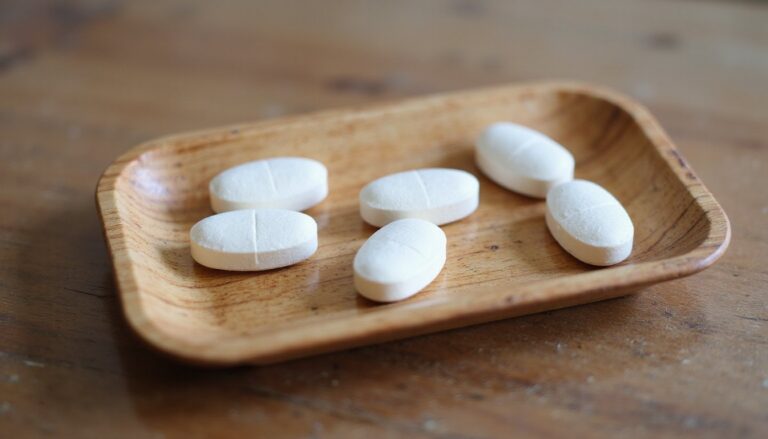




Most antihistamines clear from your bloodstream within 24-48 hours, but they’ll remain detectable in your system longer. First-generation antihistamines like diphenhydramine show pharmacokinetic lag, you’ll feel relief within hours, yet metabolites appear in urine for 2-4 days. With chronic use, detection extends up to one week. Second-generation options like cetirizine and loratadine have 8-24 hour half-lives. Your individual metabolism rate substantially impacts clearance times, which matters especially when you’re preparing for allergy testing.
How Long Antihistamines Stay in Your System by Type

Because antihistamines vary considerably in their pharmacokinetic profiles, understanding how long each type remains in your system helps you anticipate both therapeutic effects and potential side effects.
First-generation histamine blockers duration spans 3 to 12 hours, requiring multiple daily doses. You’ll reach peak plasma levels within 1-3 hours, but these medications clear relatively quickly through renal excretion. These agents are highly lipophilic and cross the blood-brain barrier, which explains their sedative properties compared to newer options. Due to their sedating effects, second-generation antihistamines are preferred over first-generation options for most patients.
Second-generation antihistamines offer extended antihistamine duration of 12-24 hours, supporting once-daily dosing. When considering how long does antihistamine last, cetirizine and levocetirizine provide relief up to 24 hours with onset at hour one. Fexofenadine maintains similar duration but shows 33% less efficacy at the 21-24 hour mark. Loratadine and desloratadine require three hours for onset, with half-lives ranging 8-24 hours depending on individual metabolism.
Second-generation antihistamines offer an extended duration of 12 to 24 hours, supporting once-daily dosing. When considering how long antihistamines last, specifically how long non-drowsy antihistamines last, cetirizine and levocetirizine typically provide relief for up to 24 hours with onset around the first hour. Fexofenadine maintains a comparable duration but demonstrates approximately 33% less efficacy at the 21, 24 hour mark. Loratadine and desloratadine generally require about three hours for onset, with half-lives ranging from eight to 24 hours depending on individual metabolism.
When to Stop Allergy Medicine Before Skin Testing
If you’re scheduled for allergy skin testing, you’ll need to stop most antihistamines at least 5-7 days before your appointment to guarantee accurate results. Understanding how long do antihistamines stay in your system directly impacts test accuracy.
Planning for allergy skin testing? Stop antihistamines 5-7 days beforehand to ensure your results are accurate.
Specific medications require different withdrawal periods. Stop hydroxyzine 10 days prior, while diphenhydramine needs only 48 hours. Cetirizine, loratadine, and fexofenadine require a 5-7 day cessation window.
Nasal antihistamine sprays like azelastine need 3-5 days, while antihistamine eye drops require 2-7 days depending on the formulation. H2 blockers such as famotidine should stop 24-48 hours beforehand.
You can continue inhaled asthma medications, montelukast, nasal corticosteroids, and routine prescriptions for blood pressure or diabetes. Always consult your provider before stopping beta-blockers, as these require medical supervision during discontinuation. Beta-blockers can slow your response to epinephrine used for treating allergic emergencies, which is why most allergists prefer patients to be off these medications for testing. Additionally, individuals taking tricyclic medications should not undergo allergy skin testing without first consulting their healthcare provider.
Hidden Antihistamines in Cold Medicine and Sleep Aids

Beyond prescription antihistamines, many over-the-counter cold medicines and sleep aids contain hidden first-generation antihistamines that can affect allergy testing and interact with other medications. Products like NyQuil contain doxylamine, while Alka-Seltzer Plus Cold Medicine includes chlorpheniramine. Sleep aids such as ZzzQuil, Tylenol PM, and Unisom rely on diphenhydramine or doxylamine for their sedative effects.
Understanding first generation vs second generation antihistamines matters here. First-generation options cross the blood-brain barrier, causing drowsiness and anticholinergic effects like dry mouth, urinary retention, and confusion in older adults. These antihistamines are not recommended for adults 65+ due to their anticholinergic properties that may increase dementia risk.
You should recognize these hidden antihistamines when combining medications. Diphenhydramine paired with acetaminophen stresses your liver, while combinations with ibuprofen increase gastrointestinal risks. If you’re taking other sedating medications, these hidden antihistamines compound central nervous system depression. Despite the potential for psychological dependence, the FDA allows manufacturers to label these OTC sleep aids as non-habit-forming.
Why Testing Windows Outlast Your Symptom Relief
Testing windows persist long after your symptoms resolve because antihistamines clear from receptor sites faster than they leave your bloodstream. Your allergy medication half life determines how long metabolites remain detectable, not how long you feel relief.
Your allergy medication stops working long before it leaves your body, detection windows outlast symptom relief by days.
Key factors extending detection beyond symptom control:
- Pharmacokinetic lag: Diphenhydramine provides relief within hours, yet blood detection persists 24-48 hours post-dose
- Urine retention: Metabolites appear in urine 2-4 days after your last dose
- Accumulation effects: Chronic use extends detection windows to one week
- Hepatic processing: Liver metabolism rates vary individually, prolonging clearance despite resolved symptoms
Understanding this distinction matters when scheduling blood draws or allergy testing. Your symptoms may disappear, but drug residues continue circulating through metabolic pathways. This timing consideration becomes especially critical when testing for conditions like anaphylaxis, where sample collection timing significantly impacts whether elevated histamine levels can be accurately detected. Since histamine functions as a central mediator of allergic response, residual antihistamines in your system can interfere with accurate measurement of this key biomarker.
Skin Tests vs. Blood Tests: What Antihistamines Affect

When you’re preparing for allergy testing, the type of test you’ll undergo determines whether you need to stop your antihistamines. Skin prick tests rely on histamine-mediated wheal and flare reactions, which antihistamines directly suppress. This interference produces false negatives, masking true allergies. Blood tests measure specific IgE antibodies through a different mechanism that antihistamines don’t affect.
| Factor | Skin Tests | Blood Tests |
|---|---|---|
| Antihistamine Impact | Requires 7-10 day cessation | No stoppage needed |
| Result Timing | Immediate | Several days |
| Risk Level | Possible anaphylaxis | No reaction risk |
If you can’t discontinue your antihistamines due to severe symptoms, blood testing offers a reliable alternative. Your allergist may also recommend blood panels if you have extensive eczema or dermographism that would complicate skin test interpretation. Keep in mind that many cold medicines, sleep aids, and anti-nausea medications contain hidden sources of antihistamines that can also interfere with skin testing results. Even a single dose of antihistamine can affect skin test results for 24 to 72 hours or longer, so it’s essential to follow your allergist’s medication instructions carefully.
Frequently Asked Questions
Can I Take Antihistamines While Pregnant or Breastfeeding Safely?
You can safely take antihistamines during pregnancy and breastfeeding. Second-generation options like cetirizine (Zyrtec) and loratadine (Claritin) are your best choices, they’re non-sedating and show no increased risk of fetal malformations in large studies. First-generation antihistamines like diphenhydramine also demonstrate reassuring safety profiles. Only minimal amounts pass into breast milk without adverse infant effects. You should consult your healthcare provider before starting, use the lowest effective dose, and avoid exceeding recommended dosages.
Do Antihistamines Interact With Alcohol or Other Common Medications?
Yes, antihistamines interact substantially with alcohol and several common medications. When you combine them with alcohol, you’ll experience amplified CNS depression, causing severe drowsiness, impaired coordination, and potential respiratory depression. First-generation antihistamines like diphenhydramine carry the highest risk. You should also avoid mixing antihistamines with gabapentin, which intensifies dizziness, and anticholinergic drugs, which worsen constipation. Adderall can reduce antihistamine effectiveness. Always consult your physician before combining these medications.
Can Children Take the Same Antihistamines as Adults?
Children can’t always take the same antihistamines as adults. You’ll find that pediatric formulations differ in concentration and dosing requirements based on your child’s age and weight. First-generation antihistamines like diphenhydramine carry higher risks of side effects in young children, including paradoxical excitability. You should always consult your pediatrician before giving any antihistamine to children under six, as they’re more sensitive to these medications than adults.
Will Antihistamines Affect My Ability to Drive or Operate Machinery?
Yes, antihistamines can considerably impair your ability to drive or operate machinery. First-generation options like diphenhydramine cause drowsiness, slowed reaction times, and coordination problems, effects comparable to alcohol impairment. You’re six times more likely to have a traffic accident while taking sedating antihistamines. Second-generation alternatives like fexofenadine and desloratadine don’t impair driving performance. If you must drive, avoid combining any antihistamine with alcohol or sleep medications, which intensify sedative effects.
Do Antihistamines Lose Effectiveness if Taken Daily Long-Term?
Yes, antihistamines can lose effectiveness with prolonged daily use through a process called tachyphylaxis. Your body builds tolerance over time, reducing symptom relief even at consistent doses. This affects both first- and second-generation antihistamines. If you’re experiencing diminished response, you’ll likely need to rotate to a different antihistamine class. Discuss switching protocols with your prescriber, as abrupt discontinuation, particularly with cetirizine or levocetirizine, may trigger rebound pruritus requiring careful tapering.