






Benadryl typically starts working within 15-30 minutes after you take it orally, with peak symptom relief occurring between 1-3 hours. You’ll feel the strongest antihistamine effects during this window. However, the drug doesn’t fully leave your system for 24-48 hours, which explains next-day grogginess. Your age, liver function, and other medications can substantially extend this timeline. Understanding these factors helps you dose safely and avoid lingering effects. It’s important to consider that the duration of Benadryl drowsiness can vary significantly among individuals. Factors such as dosage, frequency of use, and personal sensitivity to antihistamines play a crucial role in how long these effects last.
How Quickly Benadryl Starts Working After You Take It

The speed at which Benadryl starts working depends largely on how you take it. Oral tablets and capsules typically produce effects within 15, 30 minutes, though some people may wait up to 60 minutes. Liquid formulations absorb faster since they skip tablet disintegration time. If you’re wondering how long does Benadryl last, understanding onset helps you plan your dose timing.
IV administration delivers the fastest results, roughly 2, 5 minutes, because it bypasses your digestive system entirely. IM injections take longer, approximately 30, 60 minutes. The Benadryl duration of action remains similar across routes, but onset varies considerably. How long does Benadryl work for depends partly on reaching adequate blood levels quickly. Factors like age, liver function, and food intake can modify your individual response time. For comparison, cetirizine IV was approved in 2019 and offers a similar rapid onset of about 5 minutes with fewer side effects than diphenhydramine. Once absorbed, Benadryl reaches maximum potential at hours 1-3 after oral administration, which is when you’ll experience the strongest relief from your symptoms.
Peak Effects and Maximum Symptom Relief Timeline
After Benadryl enters your bloodstream, it reaches peak plasma concentrations within 1 to 3 hours for most adults. During this window, you’ll experience maximum therapeutic effects and ideal symptom relief. The diphenhydramine duration of action aligns closely with these peak levels, delivering strongest antihistamine duration benefits at this time.
| Factor | Impact on Peak Timing |
|---|---|
| Age | Elderly may experience delayed peaks |
| Metabolism | Faster metabolism shortens time to peak |
| Liver function | Impairment extends peak window |
| Dosage | Higher doses intensify peak effects |
| Overall health | Kidney issues alter timing |
Understanding benadryl half life helps predict when effects diminish. For healthy adults, the half-life ranges from 2.4 to 9.3 hours. Side effects, including drowsiness, typically peak around the second hour alongside maximum relief. The sedative properties may actually manifest more rapidly, sometimes within 15 to 20 minutes of consumption before reaching full effectiveness. Complete elimination of the entire dose from your system can take anywhere from 13.2 to 49 hours depending on individual factors.
How Long Benadryl Stays Active in Your System
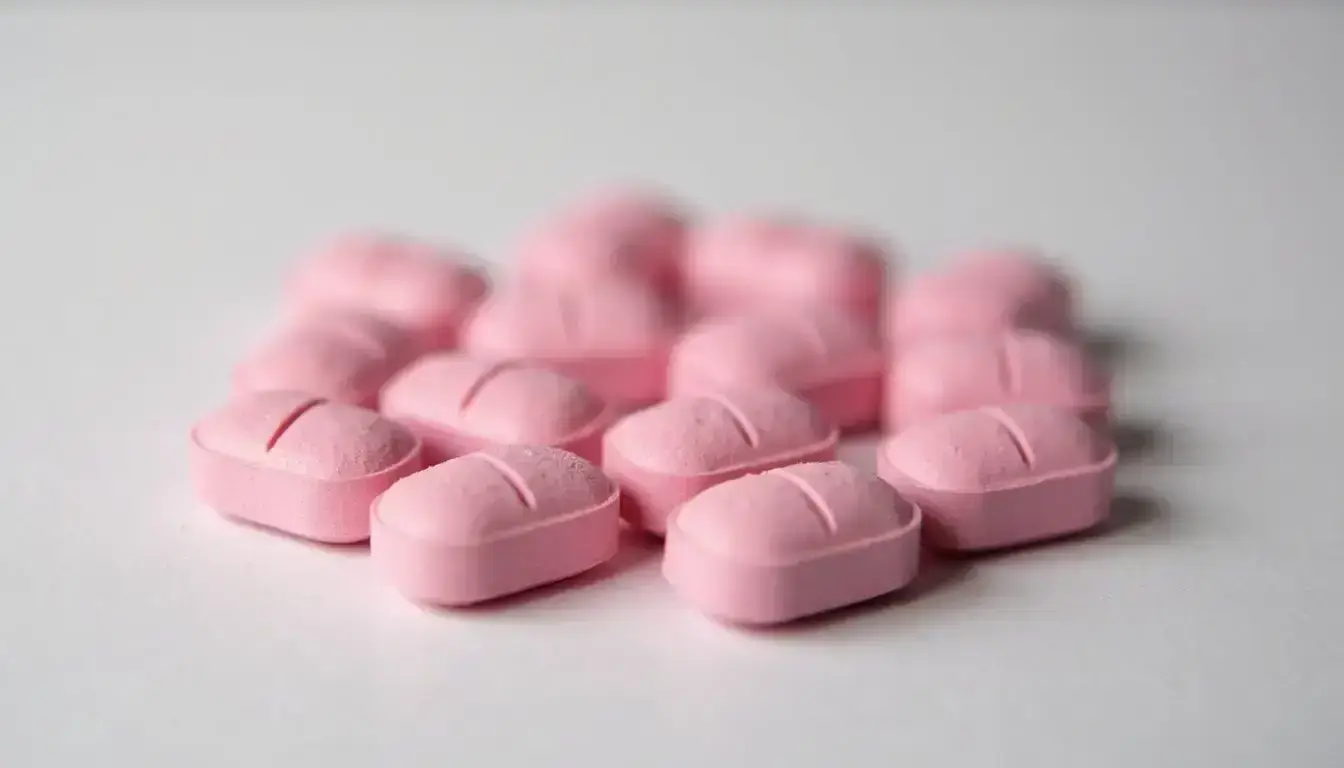
Diphenhydramine’s active presence in your body extends well beyond the 4 to 6 hours of noticeable symptom relief. When considering how long does Benadryl stay in your system, complete elimination requires approximately 24 to 48 hours after your last dose. This timeline reflects the five half-lives needed for full clearance, based on diphenhydramine’s median half-life of 4.3 hours.
Understanding diphenhydramine how long does it last involves recognizing that higher doses increase the elimination half-life. A 100 mg dose takes longer to clear than a standard 25 mg dose. Frequent dosing every 4 to 6 hours extends the drug’s overall presence compared to single-dose use. Your liver and kidney function considerably influence clearance rates, with compromised organ function prolonging the drug’s stay beyond typical timeframes. The drug binds to plasma proteins at approximately 78-85%, which affects how it distributes throughout your body during this elimination period. Urine tests can detect diphenhydramine for up to 4 days after your final dose, making it detectable long after symptoms of relief have worn off.
Understanding the Elimination Half-Life of Diphenhydramine
Understanding the Elimination Half-Life of Diphenhydramine
Elimination half-life represents the time required for your body to reduce diphenhydramine’s plasma concentration by 50% after the drug reaches distribution equilibrium. In healthy young adults, this typically ranges from 7 to 9.2 hours, though individual variation spans 2.4 to 9.3 hours depending on metabolism and health status.
Your age greatly affects elimination. Children clear diphenhydramine faster, with half-lives around 5 to 5.4 hours. If you’re elderly, expect considerably slower elimination, approximately 13.5 hours on average, ranging from 9 to 18 hours. Volume of distribution also varies by age, measuring approximately 22 L/kg in pediatrics compared to 14 L/kg in elderly individuals.
Diphenhydramine undergoes extensive hepatic metabolism primarily through CYP2D6, with only 1-2% excreted unchanged in urine. Liver disease, genetic CYP2D6 variations, and drug interactions can prolong elimination. Concurrent use of CYP2D6 inhibitors may significantly slow the metabolism of diphenhydramine and extend its duration in the body. Based on these half-life values, complete clearance from your system typically requires 24 to 48 hours.
How Benadryl Crosses the Blood-Brain Barrier and Causes Drowsiness

Benadryl slips into your brain more easily than many medications because diphenhydramine possesses ideal properties for crossing the blood-brain barrier. Its high lipophilicity and low molecular weight (~255 Da) allow rapid diffusion through brain capillary membranes. Active transport mechanisms further concentrate the drug in your brain tissue, studies show unbound brain concentrations reach fivefold higher levels than blood.
Once inside your CNS, diphenhydramine acts as an inverse agonist at H1 receptors, suppressing histamine’s wake-promoting signals in your hypothalamus. This directly reduces your alertness and vigilance. The drug’s antimuscarinic activity compounds this effect by blocking acetylcholine pathways that support wakefulness. Research has linked diphenhydramine to impaired psychomotor performance, including dangerous effects on driving ability that users may not fully recognize.
You’ll notice sedative effects can persist beyond 12 hours after a single dose, even when peripheral allergy relief fades. This prolonged CNS engagement explains next-day drowsiness many users experience.
Anticholinergic Effects and Their Duration Beyond Sedation
Beyond the drowsiness that most users recognize, Benadryl produces a separate set of anticholinergic effects that can outlast sedation by several hours. These effects stem from the drug’s action on acetylcholine receptors throughout your body.
You may experience these anticholinergic symptoms:
- Dry mouth and blurred vision
- Urinary retention and constipation
- Tachycardia (increased heart rate)
- Decreased sweating
- Confusion or impaired attention
While sedation typically peaks within 1, 3 hours, anticholinergic effects can persist 8, 12 hours in healthy adults. The drug’s elimination half-life averages 9 hours, meaning residual effects continue even after drowsiness fades. In older adults, this half-life extends beyond 13 hours, creating a prolonged risk window lasting up to 48 hours for cognitive complications like delirium. Diphenhydramine is the 6th most commonly used medication in the United States, making awareness of these prolonged effects especially important for public health.
Age-Related Differences in How Long Benadryl Lasts
As your body ages, the way it processes Benadryl changes markedly, affecting how long the drug remains active in your system.
In healthy adults, Benadryl’s half-life ranges from 2.4 to 9.3 hours, with effects lasting 4 to 24 hours. Peak relief occurs 1 to 2 hours after taking a dose. Children aged 6 to 11 typically experience symptom relief for 4 to 6 hours per dose, with recommended oral dosages of 12.5 to 25 mg. For children ages 2+, specific pediatric formulations are available to ensure appropriate dosing.
For adults 65 and older, metabolism slows considerably. The half-life extends beyond 9.3 hours, meaning the drug lingers longer and intensifies risks like dizziness, excessive drowsiness, and falls. Medical guidelines recommend avoiding Benadryl in this age group when possible.
If you’re elderly, consult your healthcare provider before use. Your body’s slower clearance rate demands careful evaluation of whether Benadryl’s risks outweigh its benefits.
Liver and Kidney Function Impact on Drug Duration
Your liver and kidneys play critical roles in determining how long Benadryl stays active in your body. The liver metabolizes 50, 60% of each dose through the CYP450 enzyme system before it reaches systemic circulation. Your kidneys then excrete 50, 75% of the drug as metabolites through urine.
Key factors affecting drug duration:
- Liver cirrhosis extends Benadryl’s elimination half-life considerably
- Healthy adults clear the drug within 24, 48 hours
- Only 2% exits your body unchanged in urine
- Impaired kidney function slows metabolite excretion
- Organ impairment may make standard doses unsafe
If you have chronic liver disease or kidney dysfunction, you’ll likely experience prolonged effects. The typical elimination half-life of 2.4, 9.3 hours can extend extensively. Older adults may experience even slower drug metabolism due to age-related changes in organ function. Consult your healthcare provider about dosage adjustments if you have compromised organ function.
Drug Interactions That Extend or Intensify Benadryl Effects
When you combine Benadryl with other CNS depressants such as benzodiazepines, opioids, alcohol, or cannabis, you intensify sedation and extend impairment well beyond the typical 4, 6 hour duration. Combining Benadryl with opioids specifically increases the risk of respiratory depression, which can be life-threatening. Stacking anticholinergic medications compounds side effects like confusion, dry mouth, urinary retention, and constipation, creating a cumulative burden that’s particularly dangerous for older adults. Certain antidepressants, including TCAs, SSRIs, SNRIs, and MAOIs, can interact with diphenhydramine and exacerbate side effects like drowsiness and dizziness. You should review all your current medications and supplements with a pharmacist to identify interactions that could amplify or prolong Benadryl’s effects.
CNS Depressant Combinations
Several substances can greatly prolong or amplify Benadryl’s effects when taken together. CNS depressants compound sedation, respiratory depression, and cognitive impairment when combined with diphenhydramine.
Key combinations to avoid without medical supervision:
- Alcohol: Amplifies drowsiness, confusion, and increases loss of consciousness risk
- Benzodiazepines (Xanax): Prolongs CNS and respiratory depressant effects substantially
- Antidepressants (Trazodone, TCAs): Enhances sedation and poses QT prolongation risks
- Gabapentin: Causes significant respiratory depression and decreased mental awareness
- Nyquil/Melatonin: Intensifies sedative effects and may trigger irregular heartbeat
You’ll experience more pronounced interactions if you’re over 65 or have underlying health conditions. These combinations don’t just extend Benadryl’s duration, they magnify its depressant properties unpredictably. Always consult your healthcare provider before mixing these medications.
Anticholinergic Drug Stacking
Because diphenhydramine carries significant anticholinergic activity on its own, combining it with other anticholinergic medications creates a cumulative burden that intensifies and extends its effects beyond what you’d experience from a single agent.
When you stack diphenhydramine with tricyclic antidepressants like amitriptyline, first-generation antihistamines such as chlorpheniramine, or bladder medications like oxybutynin, you’re compounding muscarinic receptor blockade throughout your body. This stacking prolongs both peripheral effects, tachycardia, urinary retention, constipation, dry mouth, and central effects including sedation, confusion, and delirium.
You should review all your medications for anticholinergic properties before taking Benadryl. GI antispasmodics like dicyclomine and even inhaled respiratory agents like ipratropium contribute to total burden. Older adults face heightened risk for cognitive impairment and functional decline when multiple anticholinergic drugs overlap. It’s important to consult a healthcare professional to evaluate whether each medication is necessary and to consider alternatives with fewer anticholinergic effects. In some cases, older adults may unknowingly develop dependencies on these medications, increasing health risks and potentially requiring prescription drug addiction treatment. Addressing these issues early can help support better cognitive and functional outcomes.
Safe Dosing Intervals and Managing Next-Day Hangover Effects
Taking Benadryl safely requires careful attention to dosing intervals and daily limits. You should space doses every 4-6 hours and never exceed 300 mg within 24 hours. If you’re 65 or older, consult your healthcare provider before use due to heightened side effect risks.
Key dosing guidelines:
- Take 25-50 mg every 4-6 hours as needed
- Don’t exceed 6 doses in 24 hours
- Children 6-11 should take 12.5-25 mg every 4-6 hours (max 150 mg daily)
- Avoid use in children under 6 without medical guidance
- Never combine with alcohol
Next-day hangover effects often include lingering drowsiness and dizziness. You’ll reduce these effects by sticking to recommended doses and avoiding late-evening administration. If grogginess persists, don’t drive or operate machinery until you’ve fully recovered.
Real Help, Real Results Call Now
Frequently Asked Questions
Can I Take Benadryl Before Surgery or Medical Procedures?
You shouldn’t take Benadryl before surgery without your surgical team’s approval. While some practices allow it for allergies, diphenhydramine can intensify anesthesia’s sedative effects, increase respiratory depression risk, and prolong your recovery. Its anticholinergic properties may also cause complications like urinary retention or delirium. Curiously, anesthesiologists sometimes administer it intravenously as a controlled premedication. Always disclose your Benadryl use so your team can make individualized decisions about timing and safety.
Does Benadryl Show up on Drug Tests?
Benadryl doesn’t appear on standard 5- or 10-panel drug tests, which target substances like THC, opioids, and amphetamines. However, you should know that diphenhydramine can trigger false positives for opioids, methadone, PCP, or benzodiazepines on some immunoassay screens. If you’re facing a drug test, inform the testing facility about your Benadryl use beforehand. Confirmatory testing can distinguish diphenhydramine from illicit substances if a false positive occurs.
Is It Safe to Take Benadryl While Pregnant or Breastfeeding?
You can generally take Benadryl safely during pregnancy, as it’s classified as FDA category B with no confirmed risks to fetal development. However, you should use the lowest effective dose for the shortest time and consult your provider first. During breastfeeding, Benadryl passes into breast milk and may cause infant drowsiness, so you’ll want to limit use and consider non-drowsy alternatives like Claritin or Zyrtec instead.
Can Benadryl Be Used Safely for Pets?
You can use Benadryl safely for pets, but you’ll need veterinary guidance first. For dogs, the typical dosage is 2-4 mg per kg of body weight, given every 8-12 hours. Always choose plain diphenhydramine, avoid formulas containing decongestants or alcohol. Common side effects include drowsiness and dry mouth. If your pet has liver issues or takes other medications, consult your vet before administering. Effects typically resolve within 24 hours.
Will Tolerance Develop if I Take Benadryl Every Night for Sleep?
Yes, you’ll develop tolerance to Benadryl’s sedative effects quickly if you take it nightly. Studies show sleepiness disappears after just 3-4 days of regular use at 50 mg twice daily. Your body adapts rapidly, making the drug ineffective for sleep within days. You shouldn’t use Benadryl for sleep more than 4 days per week. Long-term nightly use risks dependence, memory problems, and anticholinergic side effects. Consult your doctor for safer alternatives.