





Delta-8 THC metabolizes in your liver into THC-COOH, the primary urinary metabolite that standard immunoassay screens detect. If you’ve used delta-8 once, you’ll likely test positive for 3-5 days at standard 50 ng/mL cutoffs. Moderate users face 5-10 day detection windows, while chronic daily consumption extends detectability to 30-60 days due to THC-COOH’s lipophilic accumulation in adipose tissue. Your individual clearance timeline depends on several physiological factors worth understanding.
Delta-8 THC is metabolized in your liver into THC-COOH, the primary urinary metabolite detected by standard immunoassay drug screens. If you have used delta-8 once, you will likely test positive for three to five days at standard 50 ng/mL cutoffs. Moderate users typically face detection windows of five to ten days, while chronic daily consumption can extend detectability to 30, 60 days due to THC-COOH’s lipophilic accumulation in adipose tissue. How long delta-8 to leave your system ultimately depends on several individual physiological factors that are important to understand.
How Long Does Delta-8 Stay in Your Urine?
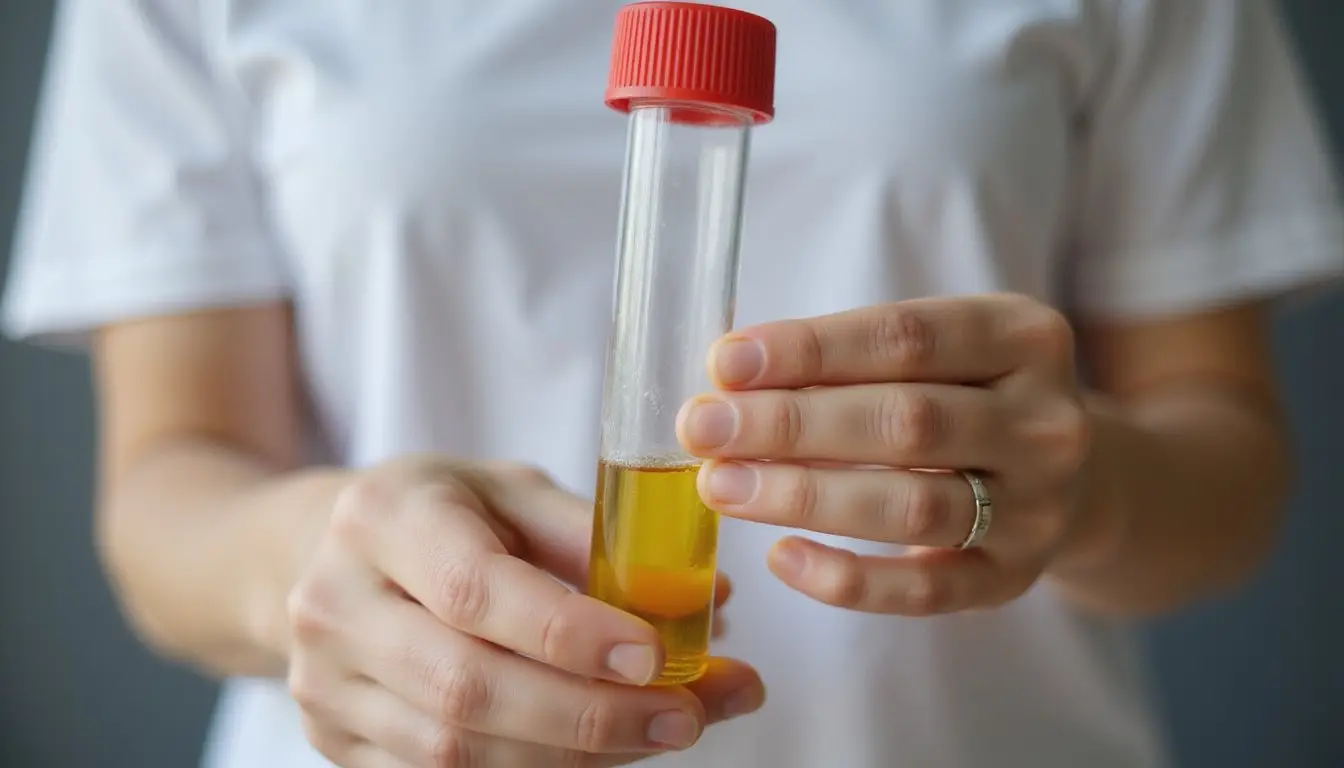
When delta-8 THC enters your body, it undergoes hepatic metabolism and converts into THC-COOH, the primary metabolite that urine tests detect. This thc-cooh metabolite accumulates in adipose tissue, which directly influences how long delta 8 is detectable in urine.
Your delta 8 urine detection time depends primarily on usage frequency. If you’re an occasional user, urinalysis typically identifies metabolites for 1-3 days post-consumption. Single-use scenarios rarely exceed 3-4 days at standard 50 ng/ml cutoffs. However, chronic users face extended detection windows ranging from 30-60 days due to metabolite accumulation. Individuals with higher body fat percentages may experience longer detection times since Delta-8 THC can be stored in fat cells.
Standard immunoassay screenings use 50 ng/ml cutoffs, averaging 42 hours of detectability. Lower 20 ng/ml thresholds extend this to approximately 14 days for regular consumers. It’s worth noting that no reliable methods have been established to significantly accelerate the elimination of delta-8 THC metabolites from your system.
How Usage Frequency Changes Your Delta-8 Detection Window
Your delta-8 detection window varies dramatically based on how often you consume the cannabinoid, as metabolite accumulation directly correlates with usage patterns. If you’ve used delta-8 only once, you’ll typically clear THC-COOH from your urine within 3-4 days at standard 50 ng/mL cutoffs, while moderate users consuming several times weekly may test positive for 1-2 weeks. Chronic daily users face the longest detection periods, with metabolites remaining identifiable for 30-48 days due to sustained accumulation in adipose tissue. Individuals with a higher body fat percentage may experience even longer detection times since THC compounds are fat-soluble and stored in fatty tissues before being slowly released. Physical activity and a healthy diet can help speed up the elimination process by boosting your metabolism and reducing fat stores where cannabinoids accumulate.
Single Use Detection Times
Trying delta-8 THC just once doesn’t mean you’ll clear a urine test the next day. After a single use, THC-COOH metabolites typically remain detectable in your urine for 2, 5 days, with an average detection window of approximately 3 days. Your body’s elimination rate depends on metabolic efficiency, body fat percentage, and hydration status.
Understanding how long does delta 8 stay in urine requires examining testing cutoff thresholds. At the standard 50 ng/mL cutoff, you’ll likely test positive for 3, 4 days post-consumption. However, more sensitive tests using 20 ng/mL cutoffs can extend detection to 7 days. THC-COOH’s lipophilic properties cause metabolite storage in adipose tissue, releasing compounds gradually into your bloodstream. This pharmacokinetic behavior explains why even single-use detection exceeds 24, 48 hours. Standard drug tests cannot distinguish between Delta-8 and Delta-9 metabolites, meaning a positive result won’t indicate which cannabinoid you consumed. Additionally, excess fluid ingestion can produce false-negative urine test results, potentially affecting your detection window.
Moderate Users’ Testing Window
How substantially does stepping up from occasional to moderate delta-8 use affect your urine detection window? When you consume delta-8 THC a few times weekly, your body accumulates metabolites faster than renal excretion can eliminate them. This creates a detection window of 5-10 days, compared to 1-3 days for single use.
Your moderate consumption pattern allows THC-COOH concentrations to build in adipose tissue, extending clearance time through urinary pathways. Keep in mind that standard tests cannot distinguish between delta-8 and delta-9 THC, so both will trigger the same positive result.
Key factors affecting your moderate use detection window:
- Metabolic rate directly influences how quickly you process and excrete delta-8 metabolites
- Body fat percentage determines lipophilic metabolite storage duration
- Standard immunoassay cutoffs (50 ng/mL) readily detect accumulated metabolite levels
Consumption method matters, vaping typically yields 5-7 day windows, while edibles extend detection due to prolonged hepatic metabolism. With delta-8’s estimated half-life of 24-36 hours, it typically takes 4-5 half-lives for complete elimination from your system.
Chronic Daily Use Duration
Daily delta-8 consumption fundamentally alters your detection timeline compared to moderate use patterns. When you use delta-8 chronically, THC-COOH metabolites accumulate continuously in your system rather than clearing between sessions. This persistent buildup means urine tests typically detect metabolites for 10 to 15 days, extending beyond 30 days with heavy multiple-daily use.
Your body stores these fat-soluble metabolites in adipose tissue, creating a reservoir that slowly releases compounds back into circulation. Higher body fat percentages correlate with prolonged detection windows as metabolites leach gradually into urine. Genetic variations in CYP2C9 and CYP3A4 liver enzymes further influence clearance rates. Unfortunately, there is no foolproof method to quickly eliminate these metabolites from your system, as time and reduced intake remain the only reliable approaches. Proper hydration and overall health can support faster elimination, though adequate fluid intake alone cannot guarantee passing a test.
Chronic daily users frequently exceed standard detection thresholds for 25 to 30 days post-cessation. Your metabolic pathways become overwhelmed, reducing clearance efficiency and maintaining detectable concentrations considerably longer than occasional users experience.
What Affects How Fast Delta-8 Clears Your System?
Several biological and behavioral variables determine how rapidly your body eliminates Delta-8-THC metabolites through urine. Understanding how long does delta 8 stay in your pee requires examining multiple physiological factors. Your metabolic rate, body fat percentage, and organ function directly influence clearance speed. Since Delta-8-THC-COOH binds to adipose tissue, individuals with higher body fat retain metabolites longer.
- Metabolic efficiency: Faster metabolism processes cannabinoids more quickly, reducing detection windows
- Body composition: Elevated BMI correlates with extended metabolite retention in fat stores
- Consumption frequency: Heavy use accumulates metabolites, prolonging urinary detection considerably
Your method of consumption also matters. Edibles undergo hepatic processing, extending detection compared to inhaled forms. Healthy liver and kidney function facilitates ideal metabolite excretion, while hydration supports renal clearance without dramatically accelerating elimination.
Can You Speed Up Delta-8 Elimination Before a Test?
When facing an upcoming urine test, you’ll likely wonder whether specific strategies can accelerate Delta-8-THC metabolite clearance from your system. Several physiological interventions may influence how long will delta 8 stay in urine, though results vary by individual metabolism. Understanding delta8 vs delta9 THC effects can help you make informed decisions about your consumption and the potential risks involved. While delta-8 is often touted for its milder psychoactive effects, delta-9 is traditionally associated with more potent experiences. This distinction can be crucial when considering which products to use, especially in the context of passing drug tests.
| Strategy | Mechanism | Effectiveness |
|---|---|---|
| Hydration | Dilutes urinary metabolite concentration | Moderate |
| Aerobic Exercise | Mobilizes fat-stored THC-COOH | Moderate |
| High-Fiber Diet | Binds metabolites for fecal excretion | Low-Moderate |
| Abstinence | Halts new metabolite production | High |
| Detox Products | Temporarily masks metabolites | Unvalidated |
You’ll achieve ideal clearance by combining abstinence with consistent hydration and moderate cardio. However, avoid intense exercise within 24 hours of testing, this releases stored metabolites from adipose tissue into circulation. Abstinence paired with hydration can reduce detection windows by 20-30%. Keep in mind that individuals with higher body fat may experience longer detection times since Delta-8 binds to fat cells, making elimination more challenging regardless of the strategies employed.
Why Urine Tests Detect Delta-8 Longer Than Other Methods
Your body stores delta-8 THC in adipose tissue due to its lipophilic nature, which creates a reservoir that slowly releases metabolites into your bloodstream for weeks after use. THC-COOH, the primary urinary metabolite, has an extended half-life that keeps it detectable long after the parent compound clears from your blood and saliva. This fat-storage mechanism explains why urine tests capture delta-8 use for 30+ days in chronic users while blood tests only reflect the previous 48 hours. Urine testing remains the most common method used in doctor’s offices, rehab programs, probation offices, and pre-employment screenings due to its minimal invasiveness and low cost.
Metabolite Storage in Fat
Delta-8 THC metabolites exhibit strong lipophilic properties, meaning they don’t dissolve easily in water but readily accumulate in your body’s adipose (fatty) tissues. This fat-soluble characteristic directly impacts delta 8 urine test time, as stored metabolites release gradually into your bloodstream during lipolysis.
Your liver processes these released compounds before renal excretion occurs. Higher body fat percentages correlate with extended detection windows, sometimes exceeding 30 days for chronic users. Individuals with lower body fat tend to clear Delta-8 from their system more quickly compared to those with higher body fat percentages.
Key factors affecting metabolite storage include:
- Adipose tissue volume: Greater fat mass increases storage capacity and prolongs clearance
- Metabolic rate: Faster metabolism accelerates fat breakdown and metabolite release
- Usage frequency: Regular consumption builds substantial metabolite reservoirs in fatty tissue
This storage mechanism explains why urine testing detects delta-8 considerably longer than blood or saliva methods. In contrast, blood tests can only detect Delta-8 for up to 48 hours after use due to the rapid clearance from the bloodstream.
THC-COOH’s Extended Half-Life
THC-COOH, the primary metabolite your liver produces when processing delta-8 THC, exhibits a remarkably extended half-life that explains why urine tests detect cannabinoid use far longer than blood or saliva methods. This lipophilic compound’s terminal elimination phase demonstrates slow decline patterns, with chronic users showing measurable concentrations for weeks post-cessation.
Your body’s rate-limiting step involves gradual THC release from adipose tissue stores, creating prolonged urinary excretion. While blood detection windows span 2-7 days and saliva testing captures use within 1-3 days, THCCOOH remains identifiable in urine for considerably longer periods. Chronic users demonstrate Cmax values of 324-851 ng/mL within 1.2 days of abstinence, with THC and 11-OH-THC detectable up to 24 days at standard laboratory quantification limits of 2.5 ng/mL. Research shows that individuals with higher initial creatinine-normalized THCCOOH concentrations above 150 ng/mg experienced detection windows averaging 339.8 days to reach their first negative specimen, demonstrating how accumulated cannabinoid stores dramatically extend elimination timelines.
How to Prepare for a Drug Test After Using Delta-8
When you’re facing an upcoming drug test after delta-8 use, strategic preparation can influence whether THC metabolites remain detectable in your system. Your body stores THC-COOH in adipose tissue, releasing it gradually during fat metabolism. Understanding this biological process helps you optimize clearance strategies.
Understanding how your body stores and releases THC metabolites is the first step toward strategic drug test preparation.
Key preparation strategies include:
- Cease all delta-8 and hemp-derived products immediately to halt metabolite accumulation
- Engage in regular physical activity to accelerate lipolysis and metabolite release from fat stores
- Maintain consistent hydration to support renal excretion without triggering dilution flags
On test day, void your bladder multiple times before collection to eliminate overnight metabolite concentration. Avoid alcohol consumption, as it interferes with hepatic clearance pathways. If possible, request a delayed testing date to extend your metabolite elimination window.
When Will You Test Clean? A Delta-8 Clearance Timeline
Understanding your preparation strategies won’t matter unless you know the specific timeline for metabolite clearance from your system. THC-COOH metabolites exhibit variable elimination kinetics based on your usage frequency and adipose tissue accumulation.
| Usage Pattern | Detection Window | Clearance Benchmark |
|---|---|---|
| Single/Occasional | 1-3 days | 42 hours average |
| Moderate (4x/week) | 5-7 days | 7 days at 20 ng/mL |
| Daily | 10-15 days | 14 days average |
| Chronic Heavy | 30+ days | Up to 77 days extreme |
Your metabolite half-life and body composition directly influence these timelines. At standard 50 ng/mL cutoffs, you’ll typically test clean faster than at 20 ng/mL thresholds. Chronic users experience prolonged excretion due to lipophilic metabolite storage, requiring extended clearance periods before achieving negative results.
Frequently Asked Questions
Does Delta-8 From Edibles Stay in Urine Longer Than Vaping or Smoking?
Yes, delta-8 from edibles typically stays in your urine longer than vaping or smoking. When you consume edibles, your body metabolizes delta-8 more slowly through first-pass hepatic processing, producing higher concentrations of THC-COOH metabolites. This extended metabolic pathway increases adipose tissue accumulation. You’ll find that edibles create a more prolonged detection window because your liver converts more delta-8 into detectable metabolites compared to inhalation methods, which bypass extensive hepatic metabolism.
Can Secondhand Delta-8 Smoke Cause a Positive Urine Test Result?
You’re unlikely to test positive from secondhand delta-8 smoke, though it’s theoretically possible under extreme exposure conditions. Limited research shows cannabinoid metabolites can appear in urine up to 122 hours after high-dose secondhand marijuana exposure, with average detection around 42 hours. However, no specific studies confirm delta-8 secondhand exposure reaches the 50 ng/mL immunoassay threshold. Single, brief exposure events typically won’t produce detectable Δ8-THC-COOH metabolite concentrations in your urine.
Will CBD Products Trigger the Same Urine Test Results as Delta-8?
Pure CBD won’t trigger the same urine test results as delta-8. However, you’ll face risks if your CBD products contain trace THC contaminants. Delta-8 consistently metabolizes into Δ8-THC-COOH, which cross-reacts with standard immunoassays designed to detect THC metabolites. CBD isolates don’t produce these carboxy-metabolites, but full-spectrum CBD products often harbor enough delta-8 or delta-9 THC to generate positive screens. You should verify your CBD source uses third-party testing confirming THC-free formulations.
Do Delta-8 Metabolites Show Differently Than Delta-9 on Urine Tests?
Standard urine immunoassays can’t distinguish between delta-8 and delta-9 metabolites, you’ll test positive for THC regardless of which cannabinoid you’ve consumed. Both compounds produce THC-COOH metabolites that trigger cross-reactivity in screening tests. However, confirmatory testing using gas chromatography-mass spectrometry (GC-MS) or liquid chromatography-mass spectrometry (LC-MS) can differentiate between delta-8-THC-COOH and delta-9-THC-COOH. Keep in mind that not all laboratories report these metabolites separately in their results.
Can Prescription Medications Interfere With Delta-8 Urine Test Accuracy?
Standard immunoassays detect THC-COOH metabolites regardless of source, so your prescription medications typically won’t interfere with delta-8 detection accuracy. These tests cross-react specifically with cannabinoid metabolites, not other drug classes like opioids or benzodiazepines. If you’re concerned about false positives, advanced LC-MS testing analyzes over 1,200 analytes and confirms delta-8 carboxy-THC specifically. There’s no documented evidence that common prescriptions cause interference with cannabinoid-specific urine panels.