






Kratom typically kicks in within 15, 30 minutes after ingestion, though you’ll notice faster onset, sometimes in as little as 5, 15 minutes, with lower doses or liquid extracts. Your metabolism, stomach contents, and strain type all influence how quickly mitragynine reaches peak plasma levels, which usually occurs around 1.5, 2.5 hours. Effects generally last 2, 5 hours depending on dose and individual factors. Understanding these variables can help you better anticipate what to expect from each session.
How Fast Does Kratom Kick In?

How quickly does kratom produce noticeable effects after you take it? When you’re asking how fast does kratom kick in, the answer depends on several pharmacokinetic variables. Generally, you’ll notice initial effects within 15, 30 minutes of ingestion. At lower doses, stimulant-like effects can emerge in as few as 5, 15 minutes due to rapid alkaloid absorption.
If you’re wondering how long does kratom take to kick in at peak intensity, expect that window around 1.5, 2.5 hours post-ingestion. Your stomach contents, metabolism, and body composition directly influence absorption kinetics. An empty stomach accelerates alkaloid uptake, while food, particularly high-fat meals, slows gastric processing. Once effects establish, they typically persist for 2, 5 hours, though individual variation remains significant across users. These variable onset times are largely driven by the interaction of mitragynine and 7-hydroxymitragynine, the primary active compounds found in kratom leaves that bind to opioid receptors at different rates depending on dose and delivery method.
Why Kratom Hits Some People Faster Than Others
Your metabolism directly determines how quickly cytochrome P450 enzymes break down mitragynine and 7-hydroxymitragynine, meaning faster metabolizers absorb and process these alkaloids sooner than slower metabolizers do. The strain you choose also matters, white vein varieties higher in mitragynine produce rapid stimulating effects, while red vein strains rich in 7-HMG build sedation more gradually. At lower doses, kratom’s stimulant properties kick in quickly, but higher doses shift toward slower opioid-receptor-mediated sedation, so both your biochemistry and what you take shape your onset timeline. Regular users also report that tolerance developed quickly, which influenced their dose adjustments over time and consequently affected how rapidly they felt kratom’s effects.
Individual Metabolism Differences
Because each person’s body processes substances at a different rate, kratom’s onset time can vary considerably from one individual to another. How long for kratom to kick in depends heavily on your metabolic rate, fast metabolizers typically feel effects within 15-25 minutes, while slow metabolizers may wait 30-60 minutes.
Because each person’s body processes substances at a different rate, kratom’s onset time can vary considerably from one individual to another. How long for kratom to kick in depends heavily on your metabolic rate, fast metabolizers typically feel effects within 15, 25 minutes, while slow metabolizers may wait 30, 60 minutes, factors that also influence how long does kratom tea effects last once it takes effect.
Your body composition directly influences how long does it take for kratom to take effect. Higher muscle mass correlates with faster metabolic processing, whereas elevated body fat percentages extend onset times. Age plays a measurable role: adults 18-30 exhibit the fastest onset due to ideal digestive efficiency, while those over 50 experience delays from reduced liver metabolism and enzymatic clearance. Genetic polymorphisms in metabolic enzymes further modulate alkaloid absorption rates, making your individual pharmacokinetic profile unique. Additionally, gastrointestinal health significantly affects how quickly kratom alkaloids are broken down and absorbed into the bloodstream, meaning conditions that impair digestive function can substantially delay onset.
Dose and Strain
Two primary variables, dose amount and strain type, determine how quickly kratom’s alkaloids reach effective concentrations in your bloodstream. When considering how long does kratom take to kick in, understand that onset typically occurs within five to ten minutes after ingestion. However, smaller doses reach peak effects more quickly than larger doses, while higher doses produce stronger, longer-lasting responses due to kratom’s complex metabolism.
Strain selection directly influences how long for kratom to take effect. Red, green, and white vein varieties contain different alkaloid concentrations, primarily mitragynine and 7-β-hydroxymitragynine, that activate distinct receptor pathways at varying speeds. Low doses trigger stimulant-like responses through rapid receptor engagement, whereas high doses produce sedative effects through broader receptor activation. Effects generally persist between two to five hours depending on your specific dose-strain combination.
Does Your Kratom Dose Change How Quickly It Works?
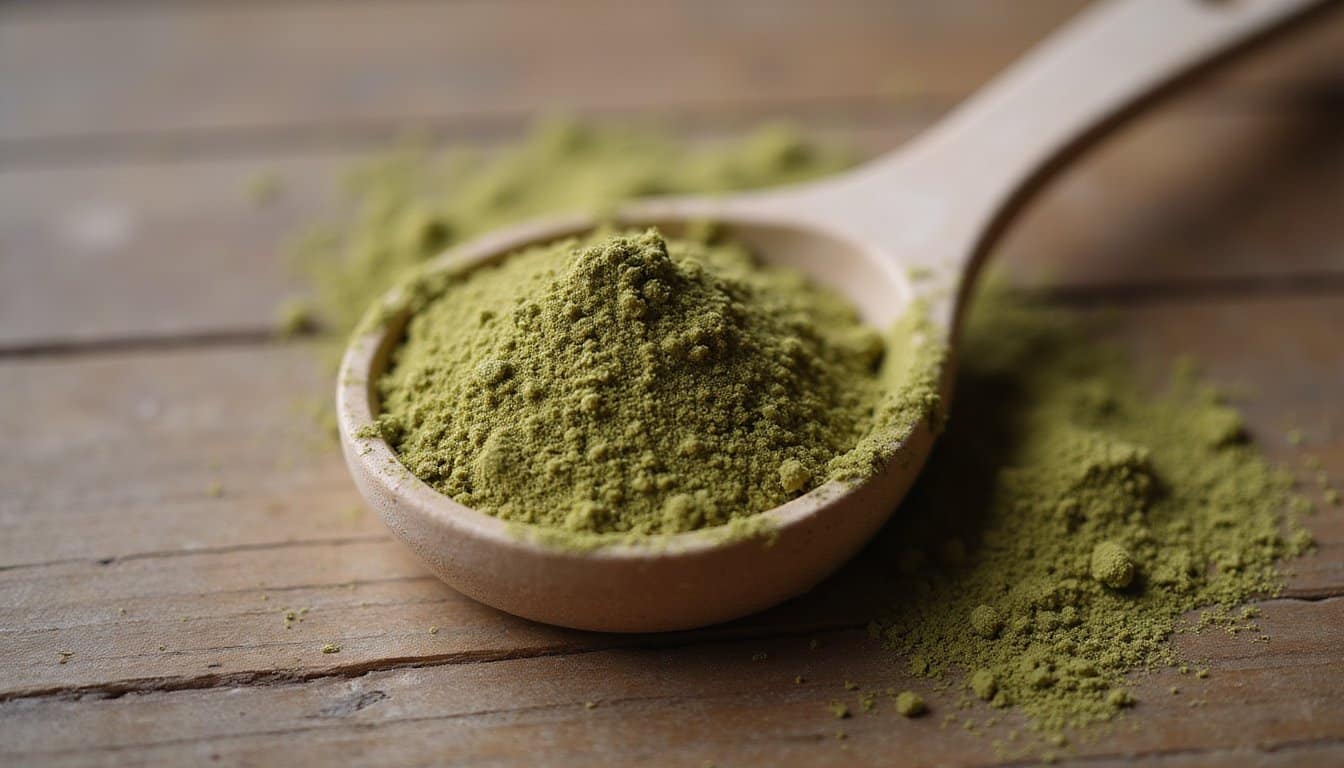
The amount of kratom you take directly influences how fast you’ll notice its effects. When considering how long does kratom take to work, dosage serves as a primary determinant. Research shows 82.9% of regular users experience acute effects within minutes at their typical dose. The effective range spans 3.19, 6.85 grams without adverse reactions.
Key dose-onset relationships include:
- Lower doses (under 3g) produce slower, subtler onset
- Moderate doses (3, 5g) typically activate within 10, 20 minutes
- Higher doses (5, 7g) accelerate onset but increase side effect risk
- Excessive doses (above 7g) often trigger adverse effects that complicate the experience
Understanding how long does it take for kratom to work requires recognizing that exceeding 6.85 grams doesn’t improve onset, it compromises it. Individuals often wonder how long does it take for kratom effects to wear off after the initial dosage has been taken. Factors such as the strain of kratom, individual metabolism, and the amount consumed can significantly influence the duration of its effects. It’s important to be aware of these variables when assessing personal experiences with kratom.
Low Dose vs. High Dose Kratom: What to Expect
Whether you take 2 grams or 10 grams, kratom’s alkaloids activate distinct receptor pathways that produce fundamentally different pharmacological profiles. Understanding low dose vs. high dose kratom helps clarify how long does it take kratom to kick in and what effects you’ll experience.
| Parameter | Low Dose (1, 5 g) |
|---|---|
| Primary Effect | Stimulant, increased alertness |
| Receptor Activity | Adrenergic-like, mild opioid |
| Adverse Risk | Minimal at typical ranges |
| Parameter | High Dose (5, 15 g) |
| Primary Effect | Sedation, pain relief |
| Receptor Activity | Opioid agonism dominant |
| Adverse Risk | Nausea, confusion, seizures |
At 1, 3 grams, 49% of users report stimulant-like onset. Doses exceeding 8 grams correlate with increased gastrointestinal and neurological adverse effects.
How Long Do Kratom Effects Actually Last?

Most kratom users experience effects that persist 2 to 7 hours, with peak intensity concentrating in the 2-to-4-hour window after ingestion. Understanding how long do kratom effects actually last requires examining pharmacokinetic variables that directly modulate duration.
- Dose magnitude: Higher doses extend both peak and total duration beyond 5 hours.
- Product formulation: Concentrated extracts prolong effects compared to raw powder.
- Metabolic rate: Individual enzyme activity alters how quickly you process mitragynine.
- Tolerance level: Chronic use shortens perceived effect duration despite alkaloid presence.
After peak effects taper around hour four, you may notice residual fatigue or grogginess extending into the next day, particularly at higher doses. Since mitragynine’s half-life spans approximately 23, 24 hours, knowing how long does kratom take to hit contextualizes why after-effects linger. After peak effects taper around hour four, you may notice residual fatigue or grogginess extending into the next day, particularly at higher doses. Since mitragynine’s half-life spans approximately 23, 24 hours, knowing how long does kratom take to hit helps contextualize how long a dose of kratom last and why after-effects can linger.
Which Kratom Ingestion Method Works Fastest?
How rapidly kratom reaches your bloodstream depends directly on the ingestion method you choose, and the differences aren’t trivial. Liquid extracts deliver the shortest kratom kick in time at 5, 15 minutes, owing to concentrated alkaloid bioavailability requiring no dissolution phase. Brewed tea follows at 10, 20 minutes, since hot water pre-extracts alkaloids before ingestion. The toss-and-wash method produces effects within 15, 30 minutes, bypassing capsule dissolution entirely.
If you’re wondering how long does it take kratom to work in capsule form, expect 30, 45 minutes, the gelatin shell must degrade before absorption begins. Sublingual tinctures accelerate uptake by bypassing gastric processing altogether. Each method’s onset reflects a distinct pharmacokinetic pathway: dissolution rate, mucosal permeability, and gastric emptying speed collectively determine when you’ll first register effects.
What Happens When Kratom Starts Wearing Off?
As kratom’s alkaloid concentration in your bloodstream declines past the 4-hour mark, you’ll notice a predictable tapering sequence that mirrors each strain’s pharmacokinetic profile.
Just as how long does kratom take to take effect varies by strain, so does its offset:
- White/green veins: stimulating effects terminate at 4, 5 hours post-ingestion
- Red veins/Bali/Borneo: sedating properties fade at 5, 6 hours
- Fatigue: lingers into the next day, particularly with higher doses
- Mild grogginess: persists as residual alkaloids clear hepatic metabolism
Understanding how long until kratom kicks in helps you anticipate this wear-off window. Higher doses extend alkaloid accumulation, prolonging both duration and next-day fatigue. Frequent dosing compounds this effect through tolerance-driven clearance delays.
Get Help Today Before It Gets Harder
Kratom has a way of becoming part of your daily life before you even realize it and walking away from it is harder than most people expect. At Santa Barbara Recovery Center, we provide Addiction Treatment with the care and support you need to heal and move forward. Call (805) 429-1203 now and walk toward a life that feels like yours again.
Frequently Asked Questions
How Long Does Kratom Stay Detectable in a Urine Test?
If you’re an occasional user, kratom’s alkaloids typically remain detectable in your urine for 2, 5 days. If you use kratom heavily or chronically, that window can extend to up to 2 weeks. Detection requires specialized testing like LC-MS/MS, since standard workplace drug panels won’t identify kratom’s alkaloids. Your individual clearance depends on metabolism, kidney function, body composition, and dosing frequency, all of which directly influence how long mitragynine and its metabolites persist in urine.
Can Eating Food After Taking Kratom Slow Down Its Effects?
Yes, eating food after taking kratom can slow its effects. When you consume a meal shortly after dosing, you’re triggering delayed gastric emptying, which reduces how quickly mitragynine reaches your small intestine for absorption. High-fat meals are particularly impactful, prolonging metabolism and pushing peak effects back by one to two hours. You’ll still feel kratom’s effects eventually, but they’ll take longer to onset and may feel less intense initially.
Is It Safe to Take Kratom More Than Once per Day?
Many users do take kratom more than once daily, studies show regular users typically dose 2, 3 times per day. However, you should know that higher dosing frequency elevates your risk of side effects like nausea, constipation, and heart palpitations. Since kratom’s effects last roughly 2, 5 hours, you’ll feel tempted to redose, but doing so accelerates tolerance buildup and systemic accumulation. There’s no FDA-standardized dosing schedule, so you’re fundamentally self-experimenting with each additional dose.
Does Kratom Interact With Prescription Medications or Other Supplements?
Yes, kratom can interact with prescription medications and supplements. Your liver metabolizes kratom through the CYP3A4 enzyme, so drugs like rifampin, erythromycin, and ketoconazole can alter how you process it. Since kratom activates opioid receptors, you shouldn’t mix it with opioids or sedatives due to unpredictable, potentially dangerous effects. The FDA hasn’t approved kratom, and research on its interactions remains limited, so you should consult your healthcare provider before combining it with anything.
Can You Build a Tolerance to Kratom Over Time?
Yes, you can build a tolerance to kratom over time. Daily use accelerates this process, especially if you’re dosing multiple times per day. Your body adapts to kratom’s opioid-like activity, requiring larger amounts to achieve the same effects. Fat-soluble alkaloids can accumulate in body tissue, prolonging exposure and fostering dependence. You’ll manage tolerance better by spacing doses, reducing frequency, and monitoring for withdrawal signs like irritability or muscle aches.