



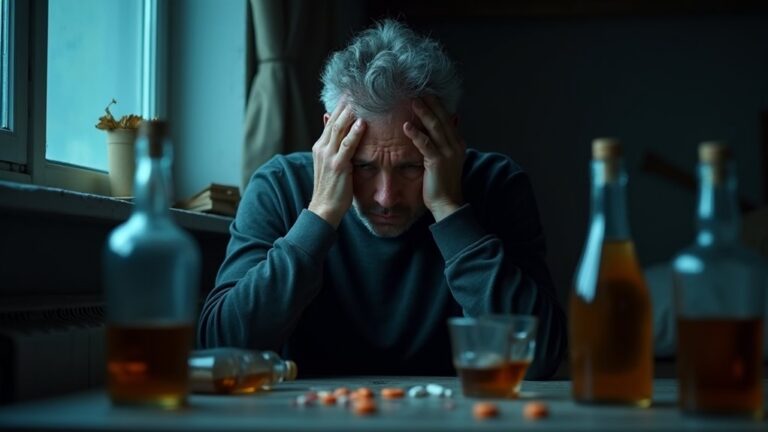


Kratom detox typically takes 3, 7 days for acute physical withdrawal, though you’ll likely notice symptoms within 6, 12 hours after your last dose. If you’ve been using high doses daily, your timeline may stretch longer, and psychological symptoms like cravings and mood swings can persist for weeks. Factors like your metabolism, hydration, and whether you taper gradually all influence how quickly you’ll recover. Below, you’ll find a detailed breakdown of what to expect at each stage.
How Long Does Kratom Detox Actually Take?

How quickly withdrawal sets in often catches people off guard. If you’re wondering how long does it take to detox from kratom, symptoms typically emerge within 6, 12 hours after your last dose. The kratom withdrawal timeline follows a predictable pattern: cravings, anxiety, muscle aches, and insomnia appear first, escalating to peak intensity around days 2, 4.
The acute kratom detox process generally spans 3, 7 days, with the worst physical symptoms improving by day 7. However, your experience depends on dosage, duration of use, and individual metabolism. After the acute phase, psychological symptoms, including lingering cravings, anxiety, and fatigue, can persist for one to two weeks or longer. Daily high-dose users often face a more extended and intense withdrawal compared to occasional users. A small percentage of people may experience post-acute withdrawal syndrome that extends these psychological symptoms for weeks or even months beyond the typical timeline.
What Does Kratom Withdrawal Feel Like Day by Day?
Understanding the general timeline is helpful, but knowing what to expect each day can make the experience feel more manageable. Kratom withdrawal symptoms typically begin within 6, 12 hours after your last dose, starting with irritability, mild muscle aches, and early cravings. By days 1, 3, symptoms reach their highest intensity, often including nausea, vomiting, insomnia, sweating, and intense muscle pains alongside powerful cravings. Depending on individual factors such as metabolism and usage patterns, users might wonder how long is kratom detectable in system. This duration can vary, typically ranging from a few days to over a week in urine tests. Therefore, it’s crucial for those considering withdrawal to understand these timelines, as they could influence decisions regarding cessation and testing.
Why Do Some People Get Through Kratom Detox Faster?

Not everyone moves through kratom detox at the same pace, and several measurable factors explain why. Your dosage history, metabolism, and duration of use directly shape how long to detox from kratom. If you’ve used smaller amounts over a shorter period, your body clears alkaloids faster and kratom withdrawal stages tend to resolve sooner. Understanding the half life of kratom is crucial in determining how long it might take for your body to process and eliminate the alkaloids. Additionally, factors like hydration levels and overall health can further influence this timeframe. Consequently, individuals may experience varying symptoms based on how their body metabolizes kratom.
Higher metabolism rates, consistent hydration, and regular exercise accelerate elimination. Individuals with deeper kratom dependence from months or years of heavy daily use face longer timelines and more intense symptoms. Your tapering method also matters, gradual reductions over weeks produce smoother changes than abrupt cessation. Medical support and structured environments further improve outcomes, helping you move through each phase with fewer setbacks. During the withdrawal process, many people experience agitation and anxiety alongside physical discomfort, which can influence how quickly they feel ready to resume daily routines. Understanding how to get kratom out of system is crucial for those seeking to manage their withdrawal effectively. Incorporating detoxifying foods and herbal supplements can further aid in speeding up the process. Additionally, seeking professional guidance can provide tailored strategies to navigate this challenging phase.
Can Medications Like Suboxone Speed Up Kratom Detox?
| Factor | Without Suboxone | With Suboxone |
|---|---|---|
| Symptom onset | 12-24 hours | Managed at onset |
| Peak severity | Days 2-4 | Considerably reduced |
| Stabilization | 5-7 days | 2-3 weeks (guided taper) |
| Cravings | Persistent | Controlled |
| Long-term kratom recovery | Higher relapse risk | Improved with therapy |
Your provider will typically start Suboxone 12-24 hours after your last dose to avoid precipitated withdrawal. You shouldn’t attempt this without licensed medical oversight.
What Happens After Kratom Withdrawal Symptoms Fade?

Once the acute withdrawal phase subsides, your body and mind enter a gradual recovery period that unfolds over several weeks. Physical symptoms like muscle aches and gastrointestinal distress typically resolve first, while energy levels return to baseline within two to four weeks.
However, quitting kratom doesn’t mean immediate normalcy. You may experience Post-Acute Withdrawal Syndrome (PAWS), which includes mood swings, brain fog, intermittent anxiety, and low motivation, particularly after prolonged or high-dose use. These symptoms can persist for weeks to months.
Kratom cravings also linger beyond the acute phase, especially during periods of stress. They gradually diminish but remain a relapse risk factor. Professional support during this window strengthens long-term recovery. With consistent care, most people achieve full symptom resolution and return to baseline functioning within several weeks.
Get Help Today Before It Gets Harder
Kratom has a way of becoming part of your daily life before you even realize it and walking away from it is harder than most people expect. At Santa Barbara Recovery Center, we provide Addiction Treatment with the care and support you need to heal and move forward. Call (805) 429-1203 now and walk toward a life that feels like yours again.
Frequently Asked Questions
Is It Safe to Detox From Kratom at Home Without Medical Supervision?
Detoxing from kratom at home isn’t recommended, especially if you’ve used it regularly or in high doses. You’re at risk for dehydration, severe anxiety, and intense cravings that can push you toward relapse. Symptoms typically peak around days 2, 4 and can feel overwhelming without support. Medical detox gives you 24/7 monitoring and access to medication-assisted treatment that can ease withdrawal considerably. You can call SAMHSA’s helpline for supervised treatment referrals.
Can You Die From Kratom Withdrawal?
No, there are no documented deaths directly caused by kratom withdrawal. Your symptoms will likely mimic mild opioid withdrawal, nausea, anxiety, muscle aches, and cravings, but they don’t typically escalate to life-threatening levels like respiratory depression. That said, you shouldn’t dismiss the discomfort. Dehydration from vomiting or complications from co-occurring health conditions can pose risks. You’ll recover more safely and comfortably with medical supervision, which helps manage symptoms and prevents relapse.
Does Kratom Detox Show up on a Standard Drug Test?
Kratom won’t show up on a standard 5-panel drug test. These panels screen for THC, cocaine, amphetamines, opiates, and PCP, but kratom’s active alkaloids, mitragynine and 7-hydroxymitragynine, are structurally different from traditional opiates. If you’re concerned about detection, specialized lab tests like LC-MS/MS can identify kratom metabolites in your urine for up to nine days after heavy use. However, most employers and probation programs don’t include kratom-specific panels unless required.
Will Exercise or Supplements Help Reduce Kratom Withdrawal Symptoms?
Yes, exercise and supplements can help reduce kratom withdrawal symptoms, though they won’t eliminate them entirely. Aerobic exercise releases endorphins that ease anxiety, muscle aches, and cravings, while magnesium, L-theanine, and omega-3s can relieve cramps, restlessness, and inflammation during acute withdrawal. However, these strategies provide symptomatic relief, they won’t dramatically shorten your overall detox timeline. If you’re experiencing severe withdrawal, you’ll benefit most from professional guidance tailored to your specific usage history.
How Long Should You Wait Before Starting Kratom Detox After Relapsing?
You should start detox as soon as possible after relapsing. The longer you continue using kratom, the more likely you’ll re-establish dependence, which can make your next withdrawal more difficult. Restarting use resets your withdrawal timeline, so early intervention matters. Rather than attempting self-directed detox again, you’ll benefit from seeking professional treatment. Medical supervision becomes increasingly important after relapse, as repeated withdrawal cycles can intensify subsequent detoxification experiences.