





A nicotine buzz is the short-lived sensation you feel when nicotine hits your bloodstream and triggers dopamine release in your brain’s reward centers. You’ll typically notice lightheadedness, a head rush, increased alertness, and a warm, euphoric feeling that lasts anywhere from 2 to 30 minutes. Common side effects include dizziness, racing heartbeat, and tingling in your extremities. Understanding why these effects occur, and why they fade, can help you make informed choices.
What Is a Nicotine Buzz?

A nicotine buzz refers to the short-term sensation of lightheadedness, euphoria, or relaxation that occurs when nicotine enters your bloodstream and stimulates the brain’s reward system. This nicotine rush happens when the substance binds to nicotinic acetylcholine receptors, triggering dopamine release that creates feelings of pleasure and reward. Your brain chemistry shifts rapidly as adrenaline floods your system, increasing heart rate and blood pressure.
This temporary feeling is most intense for new users who haven’t developed tolerance. The sensation typically peaks within minutes and remains short-lived, lasting only 10 to 30 minutes before fading. Unfortunately, this pleasurable response reinforces continued use, contributing to addiction development as your brain begins associating nicotine with reward and seeks repeated exposure. Over time, your brain adjusts to nicotine, requiring higher amounts to achieve the same effects you once experienced.
What Does a Nicotine Buzz Feel Like?
When nicotine enters your bloodstream, it triggers a cascade of physical and mental sensations that define the buzz experience. You’ll likely notice lightheadedness, dizziness, and a tingling sensation in your fingers or extremities. Many users report a distinct head rush accompanied by a racing heartbeat and flushed warmth spreading across the body. Some individuals also experience a slight throat tingle or burn depending on the nicotine concentration they consume. When nicotine enters your bloodstream, it triggers a cascade of physical and mental sensations that define the buzz experience. Understanding what does a nicotine buzz feel like helps contextualize these reactions. You’ll likely notice lightheadedness, dizziness, and a tingling sensation in your fingers or extremities. Many users report a distinct head rush accompanied by a racing heartbeat and flushed warmth spreading across the body. Some individuals also experience a slight throat tingle or burn depending on the nicotine concentration they consume.
The nicotine buzz also produces notable cognitive effects. You may experience heightened focus, increased alertness, and improved mood as dopamine floods your brain’s reward pathways. This creates a brief euphoria, a nicotine high that blends relaxation with energy. The experience follows a predictable pattern of onset, peak, and gradual decline.
First-time users feel these effects most intensely, while regular users notice diminished sensations as tolerance develops. The experience typically lasts 2 to 30 minutes, depending on consumption method and individual factors.
Why Nicotine Makes You Feel Alert, Relaxed, and Focused

The sensations you’ve just experienced, that rush of energy paired with calm focus, aren’t random. Nicotine activates specific neurotransmitters, dopamine, glutamate, serotonin, and norepinephrine, that modulate your brain networks responsible for attention, memory, and cognitive enhancement.
| Cognitive Domain | Effect |
|---|---|
| Alertness | Increased wakefulness |
| Processing Speed | Faster reaction times |
| Attention | Enhanced focus maintenance |
| Memory | Improved episodic recall |
| Inhibition | Better impulse control |
Your brain’s reward system responds through dose-response patterns, meaning effects vary based on the amount consumed. Research shows nicotine strengthens coupling between executive control and salience networks while suppressing default-mode activity. This explains why you feel simultaneously alert yet relaxed, your brain prioritizes task-relevant processing while reducing mental wandering. Studies using transdermal patches in non-smokers confirm that nicotine increases alertness while improving both EEG measures and self-rated feelings of wakefulness. Research from the University of Chicago’s Department of Psychiatry and Behavior examined nicotine’s effects on attention and inhibitory control in healthy nonsmokers, providing further insight into these cognitive enhancements.
How Long Does a Nicotine Buzz Last?
How long does a nicotine buzz actually last? The duration of your nicotine high typically ranges from 2 to 30 minutes, depending on the delivery method and your tolerance level.
When you inhale nicotine through vaping or cigarettes, the nic buzz peaks within seconds and lasts 5 to 20 minutes. You’ll notice your heart rate and blood pressure rise as this stimulant takes effect, leaving you feeling both dizzy and relaxed simultaneously. This rapid onset occurs because nicotine reaches the brain in seconds after inhalation.
Nicotine pouches deliver a slower nicotine head rush, with effects building over 1 to 3 minutes and lasting 15 to 25 minutes total. The nicotine buzz peaks at 5-10 minutes before gradually fading. Regular users experience shorter buzzes of 10 to 15 minutes, while occasional users may feel effects for 20 to 30 minutes.
As your buzz fades, cravings typically emerge, signaling the body’s desire for another dose.
Cigarettes vs. Vapes vs. Pouches: Which Hits Fastest?
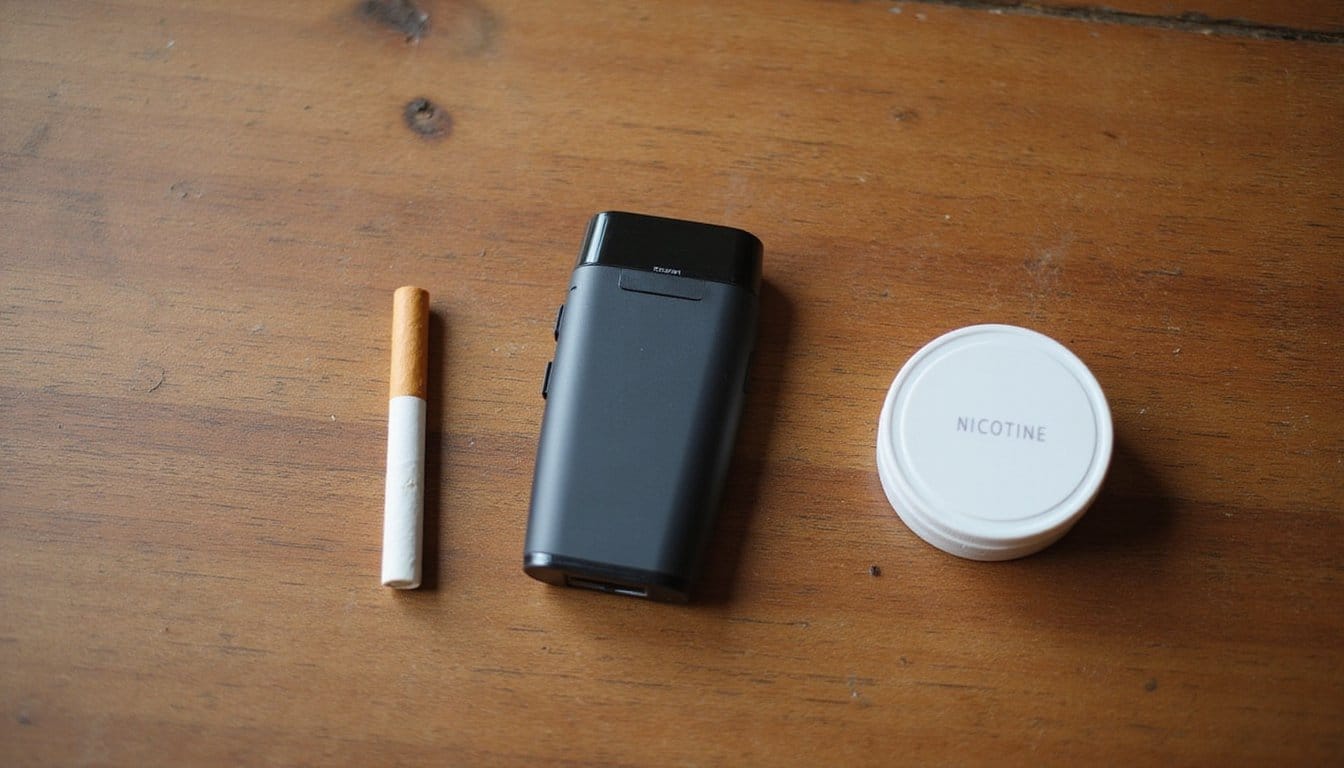
Each nicotine delivery method reaches your bloodstream at different speeds, directly affecting how quickly you’ll feel that buzz. Cigarettes and vaping products deliver the fastest nicotine buzz through rapid lung absorption, hitting within seconds of inhalation. Both methods provide nearly identical onset speeds, making them effective for immediate craving relief.
Pouches work differently. They absorb nicotine gradually through your oral tissue, taking 2-5 minutes before you notice effects. The sensation builds over 20-60 minutes rather than arriving instantly. This more gradual nicotine delivery makes pouches appealing for those who prefer sustained satisfaction over an immediate rush. The plant fibres in pouches release nicotine steadily when placed beneath the lip, contributing to this extended experience.
Nicotine strengths vary considerably across products. Vape e-liquids range from 0-50mg/ml, while pouches contain 1.29-50mg per pouch. Cigarettes deliver approximately 2mg of absorbed nicotine despite containing 10-12mg total. When comparing comparative hits and absorption rates, inhalation methods consistently outpace oral delivery.
Why First-Timers Feel the Nicotine Buzz More Intensely
Because your body hasn’t built up tolerance yet, that first nicotine experience hits your system with maximum force. When nicotine from tobacco plants enters your bloodstream, it reaches your brain within 10 seconds, triggering an intense neurochemical response. Your brain chemicals, particularly dopamine and adrenaline, surge dramatically, creating that pronounced nicotine buzz first-time users describe. This powerful initial experience also primes the brain’s reward system, which research shows can increase vulnerability to other drug use later on.
Your brain hasn’t adapted yet, so that first nicotine hit triggers a powerful dopamine surge you’ll never quite replicate again.
Several factors explain why you’ll feel effects more intensely during initial exposure:
- Tolerance absence: Your nicotinic receptors haven’t desensitized yet, amplifying every sensation
- Rapid onset kinetics: Peak blood levels create stronger responses in untolerant bodies
- Genetic sensitivity: Variations in CHRNA10 genes can intensify dizziness and rush
- Individual variability: Hydration, metabolism, and blood sugar influence your response
- Brain development: Adolescent brains show heightened sensitivity, accelerating dependence risk
The intensity of this first-time buzz is also why nicotine is considered highly addictive, as users often chase that initial powerful sensation that becomes harder to replicate over time.
Nicotine Buzz Side Effects and How to Handle Them
When nicotine triggers that initial buzz, your body responds with a cascade of side effects that range from mildly uncomfortable to potentially concerning. You’ll commonly experience dizziness, nausea, and elevated heart rate as nicotine stimulates your central nervous system and constricts blood vessels. Using high-strength products can lead to an uncomfortable nicotine high, so starting with lower nicotine concentrations is advisable for beginners. Factors like dehydration, an empty stomach, or mixing nicotine with caffeine can significantly intensify these unpleasant side effects.
| Side Effect | Cause | Management |
|---|---|---|
| Dizziness | Reduced oxygen flow, blood pressure changes | Sit down, hydrate, breathe slowly |
| Nausea | Empty stomach, rapid absorption | Eat light snacks, avoid lying flat |
| Headaches | Cardiovascular stress, vessel constriction | Rest, hydrate, dim lighting |
| Anxiety/Irritability | Adrenaline spikes, overstimulation | Practice deep breathing, remove stimuli |
| Confusion/Breathing difficulties | Nicotine poisoning, respiratory distress | Seek immediate medical attention |
If symptoms persist beyond 60 minutes or include severe confusion or breathing difficulties, you should seek medical evaluation promptly.
Nicotine addiction does not have to be your story, recovery is within reach. At Santa Barbara Recovery, we know how a habit formed to help you get through the day can silently grow into a struggle and we are here to help you move past it. Our caring team in California offers personalized, evidence-based care built around your individual needs and situation. From medically supervised detox and intensive addiction treatment to residential rehabilitation and flexible outpatient support, we are with you at every step of your recovery. You deserve a life free from dependency call (805) 429-1203 today and allow us to help you begin your journey toward healing.
Frequently Asked Questions
Can You Get a Nicotine Buzz From Secondhand Smoke Exposure?
You won’t experience a typical nicotine buzz from secondhand smoke exposure. While you’ll absorb measurable nicotine, particularly from tobacco cigarettes, which emit concentrations 10 times higher than e-cigarettes, the levels remain too low to trigger the dopamine-driven rush regular users feel. However, you’ll still face health risks: secondhand exposure damages blood vessels, increases heart attack risk, and causes respiratory effects within 60 minutes that can last over 3 hours.
Does Eating Food Before Using Nicotine Reduce the Buzz Intensity?
Yes, eating food before using nicotine can reduce your buzz intensity. Research shows nicotine’s appetite-suppressing effects work differently depending on your fed state, when you’ve consumed calories beforehand, nicotine’s impact on your system changes. Food in your stomach slows absorption rates, potentially dampening the acute head rush you’d experience on an empty stomach. You’ll likely notice a less intense but more gradual onset of effects.
Why Do Some People Never Experience a Nicotine Buzz at All?
You may never experience a nicotine buzz due to genetic variations in your nicotinic acetylcholine receptors, which affect how your brain responds to nicotine. Individual differences in liver enzyme activity can metabolize nicotine too quickly for noticeable effects. Additionally, if you’ve developed tolerance through secondhand smoke exposure or started with high-nicotine products, your receptors may already be desensitized. Some people simply lack the neurochemical sensitivity required to perceive nicotine’s euphoric effects.
Can Caffeine Make a Nicotine Buzz Stronger or Last Longer?
Yes, caffeine can intensify and potentially prolong your nicotine buzz. When you combine these substances, you’re activating overlapping dopamine pathways that amplify stimulation and reward sensations. Caffeine blocks adenosine receptors while nicotine triggers dopamine release, creating enhanced effects together. Research shows coffee compounds also restore nicotine receptor sensitivity, particularly after overnight withdrawal. You’ll likely experience heightened alertness, increased heart rate, and a stronger rush, though this combination also elevates cardiovascular strain.
Is It Possible to Get a Nicotine Buzz Back After Years of Use?
Yes, you can potentially restore your nicotine buzz after years of use, but it requires extended abstinence. Your nicotinic receptors need time to reset and empty completely. While short breaks of 1-2 hours offer minimal relief, full receptor recovery demands longer cessation periods. Keep in mind that resuming after prolonged abstinence triggers withdrawal symptoms and rapidly rebuilds dependence. The healthier approach remains complete cessation rather than chasing diminished sensations.