





Getting sober is a major step, but it won’t automatically heal the emotional distance that built up during active addiction. Your relationship needs its own recovery process, one that includes intentional repair work, daily trust-building actions, and often professional support. Research shows couples wait an average of six years before seeking help, yet early intervention dramatically improves outcomes. Understanding repairing relationships after treatment and whether your partner’s ready to engage or not reveals proven strategies you can start using today.
Why Your Relationship Won’t Heal on Its Own After Treatment

When you leave treatment feeling hopeful about your relationship, it’s tempting to believe that sobriety alone will repair the damage. Unfortunately, research tells a different story. Couples typically wait six years from problem onset before seeking help, allowing resentment and emotional distance to build.
Without intentional work, spouse trust addiction recovery remains incomplete. Studies show 40% of divorcing couples never attend relationship counseling, and those in the most difficulty often show the least improvement afterward. Your partner may have emotionally disengaged before you even entered treatment. The reality is that only 1 in 5 couples actually seek professional help for their relationship struggles, leaving most to navigate recovery alone.
Accountability in marriage sobriety means recognizing that healing requires more than abstinence. One-third of couples who improve in therapy later relapse without continued effort. Active repair, not passive hope, rebuilds what addiction broke.
What to Do When Only One Partner Wants to Repair Things?
Reaching out for help becomes considerably harder when your partner refuses to participate in relationship repair. Research shows 35.4% of people cite partner unwillingness as their main barrier to seeking professional support. This doesn’t mean you’re stuck. Women tend to serve as emotional climate guardians in relationships, often being the first to recognize dissatisfaction and initiate conversations about needed changes.
You can pursue solo repair strategies while rebuilding intimacy sobriety brings. Studies reveal 58.2% of individuals engage in at least one professional or self-help behavior independently. Start by creating small positive moments, expressing appreciation, offering affection, and practicing repair phrases during calm times.
Partner recovery support works best when you learn your loved one’s specific “repair language.” Your attempts may initially go unnoticed if past negativity created guardedness. Stay consistent with everyday caring actions rather than dramatic gestures. Building this unilateral repair culture often encourages reluctant partners to eventually engage.
Start Couples Therapy Before Resentment Sets In
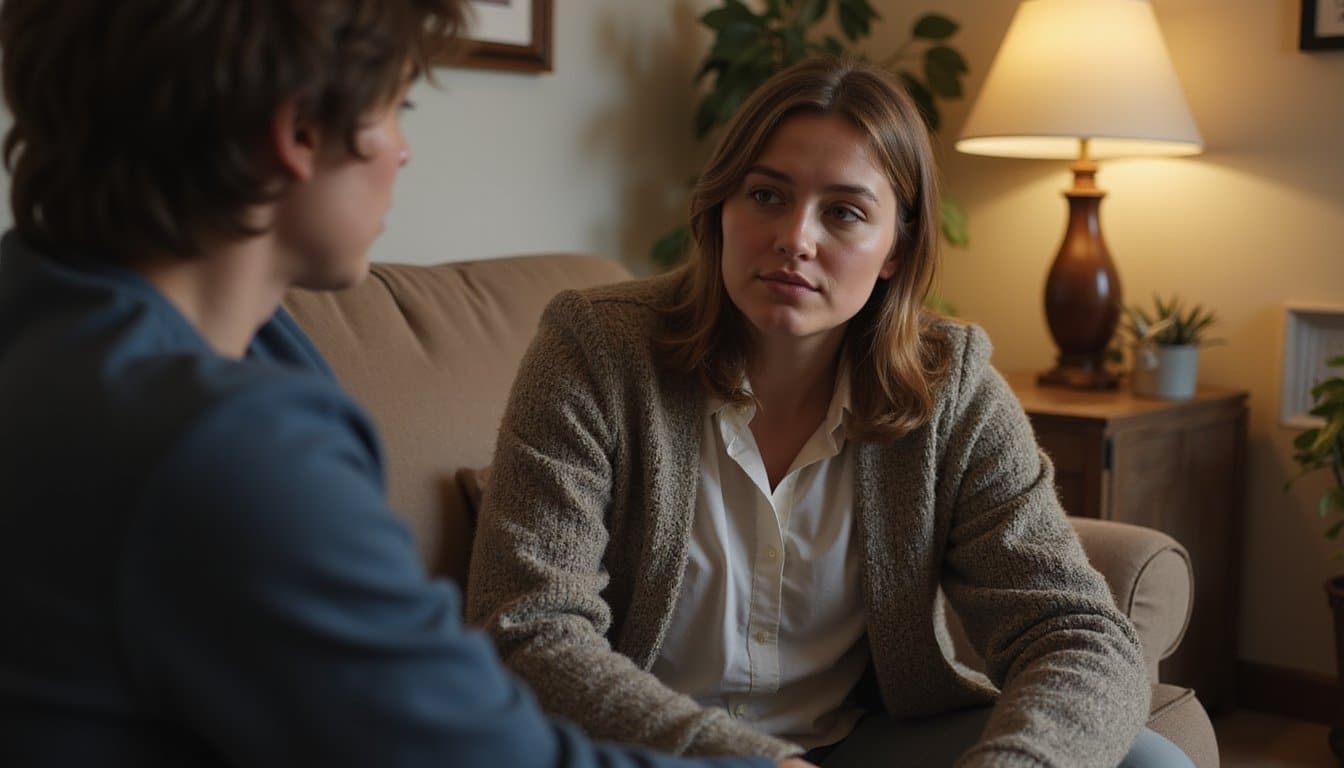
Although you might feel tempted to wait until problems become unbearable, research shows couples delay therapy an average of 2.68 years after issues arise, allowing resentment to harden into something far more difficult to heal. Early intervention yields an 88% belief in better repair chances, while Emotionally Focused Therapy achieves 70-75% success rates when you engage promptly.
Don’t let resentment harden for 2.68 years, early therapy intervention offers 88% better chances of genuine relationship repair.
Trust rebuilding in marriage after addiction requires transparency in recovery relationships from the start. Consider these evidence-based approaches:
- Emotionally Focused Therapy (EFT) strengthens attachment bonds before distance grows
- Gottman Method improves communication through 10 weekly sessions
- Cognitive Behavioral Couples Therapy shows 71% recovery with early use
Don’t wait six years like the average couple. Starting now gives your relationship the strongest foundation for lasting repair. The encouraging news is that around 70 per cent of couples in marriage counselling report positive outcomes, showing that committed effort truly makes a difference.
Daily Practices That Rebuild Trust During Recovery
Trust doesn’t return through grand gestures, it rebuilds through small, repeated actions that prove you’re dependable today. Scheduled check-ins create the predictability your partner needs. Set aside ten minutes daily to share one stressor, one gratitude, and one need, without distractions or problem-solving. Your partner listens and validates; you do the same for them.
Transparency and consistency actions eliminate the secrecy that damaged your relationship. Maintain a joint calendar you review weekly together. Follow through on small promises like check-in texts. When your words match your actions repeatedly, your partner starts feeling safe again.
Consider trading trust journals weekly where you both write feelings and discuss them without judgment. These daily practices may feel mechanical initially, but they’re building the foundation your relationship needs to heal.
How to Maintain Relationship Gains After Therapy Ends

Stepping out of your final therapy session marks a shift, not a conclusion, the genuine work of preserving your relationship achievements commences now. Your communication maintenance strategies become essential tools for sustaining connection. Schedule regular check-ins where you both discuss emotions, concerns, and goals openly.
Consider these key practices:
- Practice mindful listening daily to maintain emotional bonds
- Schedule follow-up and booster sessions to reinforce conflict resolution skills
- Address emerging challenges early before they escalate
Research shows that couples who commit to skill application outside sessions experience lasting satisfaction. EFT yields positive outcomes for 75% of couples long-term, but only when you actively nurture what you’ve learned. Don’t hesitate to return for additional sessions, 65% of cases resolve within 20 sessions, and boosters protect your investment in each other.
Frequently Asked Questions
How Long Does It Typically Take for Emotional Intimacy to Return After Rehab?
You’ll typically need at least 3-6 months before emotional intimacy starts feeling natural again, though many couples find the first full year requires the most patience. Don’t rush it, rebuilding trust takes time for both of you. Focus on small, consistent moments of connection rather than expecting everything to return at once. You’re learning new communication patterns together, and that foundation strengthens your bond long-term.
Can Couples Therapy Still Work if Infidelity Occurred During Active Addiction?
Yes, couples therapy can absolutely still work after addiction-related infidelity. Therapists understand that cheating often stems from the avoidance, impulsivity, or emotional pain driving active addiction. Approaches like Emotionally-Focused Therapy and the Gottman Method help you both process the betrayal, rebuild trust through transparency, and reconnect around shared goals. Research shows about half of couples affected by infidelity achieve fulfilling relationships through guided therapeutic work, healing is genuinely possible with commitment from both partners.
What Percentage of Couples Successfully Repair Their Relationship After Addiction Treatment?
Research shows 60-75% of couples report significant relationship improvement after completing couples therapy alongside addiction treatment. You’ll find that Behavioral Couples Therapy specifically leads to higher abstinence rates, better relationship satisfaction, and fewer separation days compared to individual treatment alone. When you and your partner actively participate in recovery together, you’re building stronger foundations for lasting repair, though success ultimately depends on both partners’ commitment to the healing process.
Should We Wait Until After Individual Therapy Before Starting Couples Counseling?
You don’t necessarily need to wait, but individual therapy first often creates a healthier foundation for couples work. It helps you address personal mental health needs and reduces the risk of one partner dominating sessions. That said, 90% of couples show significant improvement in couples therapy regardless of prior individual work. Consider starting with a few individual sessions while scheduling your first couples appointment, you can pursue both paths simultaneously.
How Do We Explain the Relationship Repair Process to Our Children?
You can explain relationship repair to your children using age-appropriate language and reassuring honesty. Tell them you’re working together to make your family stronger and happier. Create safe spaces where they can express their feelings without pressure, play-based interactions work especially well. Use reflective listening when they share emotions, and maintain consistent, predictable routines that build stability. Focus on showing them positive changes through your actions rather than lengthy explanations.