








Finishing a rehab program is significant, but it doesn’t mean the hard work is over. Many people assume that once treatment ends, the struggle with addiction is behind them. In reality, transitioning back into everyday life presents new challenges. Without a structured plan, the risk of relapse increases. The early months post-rehab can be particularly difficult, as individuals must learn to navigate their responsibilities, relationships, and emotions without substances.
The Role of Aftercare
Aftercare in recovery provides ongoing support after treatment, offering structure, accountability, and guidance to help individuals navigate early sobriety. Leaving rehab can feel overwhelming, as familiar environments may bring back old triggers and stressors. Without the built-in support of a rehab facility, it’s easy to fall back into old habits. A well-structured aftercare plan helps individuals manage these challenges by reinforcing coping strategies, relapse prevention techniques, and positive lifestyle changes.
At Santa Barbara Recovery, we believe that aftercare should be personalized to fit each individual’s needs. Recovery is not a one-size-fits-all process, and different people require different levels of support. Whether it’s therapy, sober living, or peer support groups, aftercare ensures that individuals continue building on the progress made in treatment. The goal is not just to prevent relapse but to create a fulfilling, purpose-driven life that supports long-term sobriety. Aftercare helps individuals rebuild relationships, establish new routines, and develop the confidence needed to live a meaningful life free from addiction.

Preventing Relapse
Why Aftercare is Essential
The first few months after treatment are often the most challenging. Without the safety net of rehab, individuals may encounter stressors, triggers, and temptations that put them at risk of relapse. Many individuals leave treatment feeling strong and confident in their sobriety, but real-world challenges can shake that confidence. Family conflicts, financial stress, social pressure, or even moments of boredom can create vulnerability.
Aftercare programs provide the tools and strategies needed to handle these situations effectively. Through continued therapy, support groups, and healthy lifestyle practices, individuals develop a stronger defense against relapse. Studies show that those who engage in aftercare are significantly more likely to maintain long-term sobriety than those who attempt to go it alone.
Emotional and Mental Support
Sobriety isn’t just about avoiding substances—it’s about healing emotional and mental wounds. Many people in recovery struggle with depression, anxiety, or trauma that may have contributed to their addiction. Aftercare services like therapy and counseling help address these underlying issues. Therapy provides a space to process emotions, identify triggers, and learn new ways of coping without substances.
For some, unresolved trauma or co-occurring mental health disorders require continued treatment beyond the initial rehab program. Without proper aftercare, these issues can resurface and lead to self-destructive behaviors. Having access to mental health resources ensures that individuals don’t turn back to substances as a way to cope with emotional distress.

Building a Strong Support Network
Isolation can be a major trigger for relapse. Many people in recovery feel disconnected from their old social circles, especially if those relationships were built around substance use. Aftercare programs help individuals connect with others who share similar experiences, creating a supportive community that encourages accountability and growth.Whether through 12-step groups, therapy sessions, or sober living environments, these connections provide encouragement and reinforcement. Knowing that others are walking the same path can be incredibly reassuring and motivating. The friendships and bonds formed in aftercare often become a crucial part of a long-term sober lifestyle.
Types of Aftercare Programs
Individual Therapy and Counseling
One-on-one therapy is a cornerstone of aftercare. Many people benefit from continued sessions with a therapist who specializes in addiction and mental health. Therapy provides a safe space to discuss struggles, identify triggers, and develop healthy coping strategies.
Cognitive Behavioral Therapy (CBT), Dialectical Behavior Therapy (DBT), and trauma-focused therapy are commonly used approaches in aftercare. These methods help individuals reframe negative thought patterns, regulate emotions, and build resilience. Therapy can also help individuals set and achieve personal goals that enhance their well-being and stability.
Support Groups: 12-Step and Non-12-Step Options
Support groups offer a community of individuals committed to sobriety. Programs like Alcoholics Anonymous (AA) and Narcotics Anonymous (NA) follow a structured, spiritual-based approach, while alternatives like SMART Recovery provide evidence-based strategies for self-empowerment.
Regardless of the approach, support groups provide a sense of belonging, encouragement, and accountability that is essential in recovery. Attending meetings regularly helps individuals stay motivated, share experiences, and receive guidance from those further along in their recovery.
Sober Living Homes
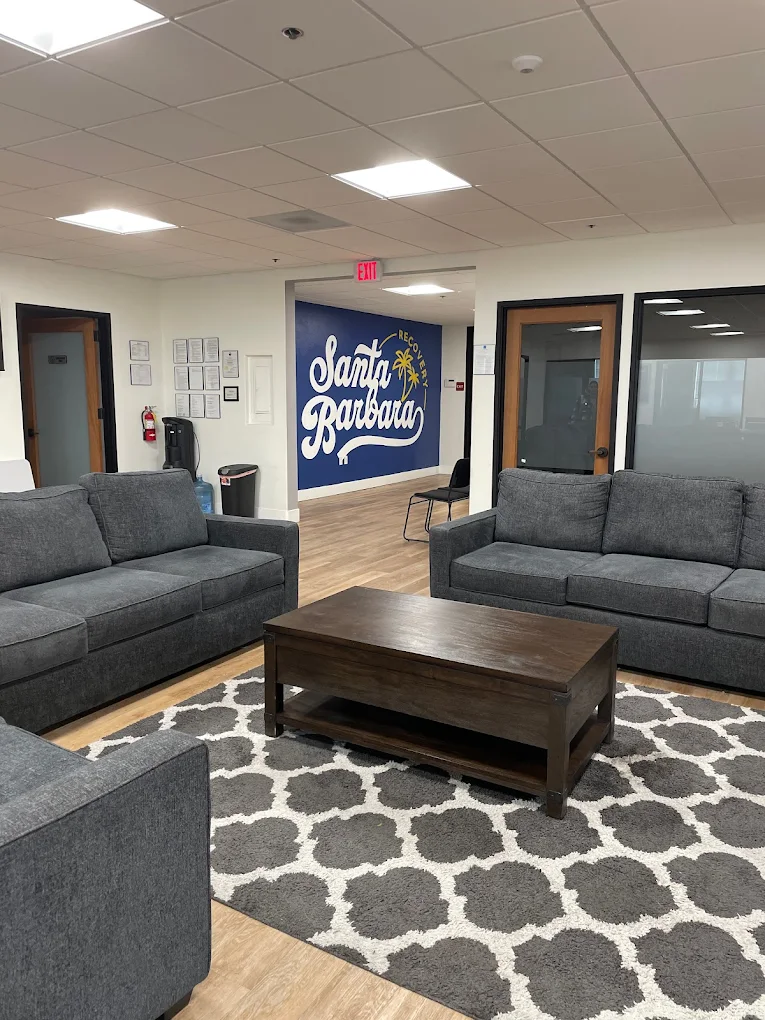
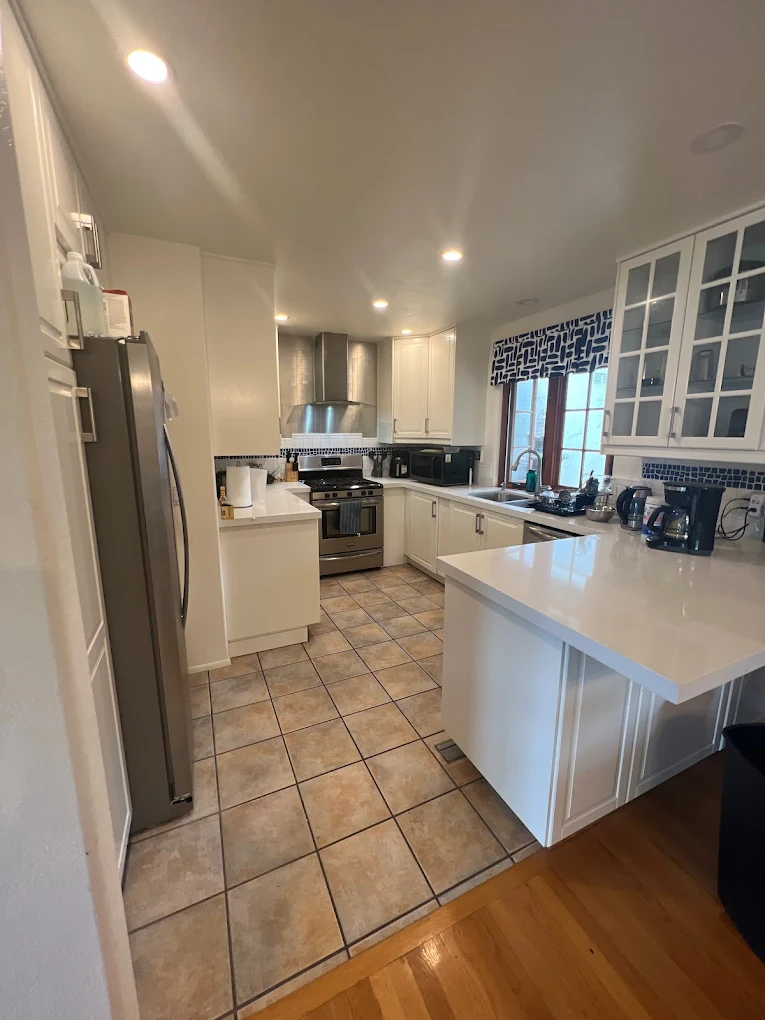
For those who need a structured, substance-free environment, sober living homes provide a transitional space between rehab and independent living. These homes promote accountability through regular drug testing, house meetings, and shared responsibilities.
Living in a sober home can ease the transition back into the real world while reinforcing healthy habits and connections. It’s especially beneficial for those who lack a supportive home environment or need more time to adjust to independent living while maintaining sobriety.
Holistic and Wellness-Based Aftercare
Recovery isn’t just about staying sober—it’s about building a fulfilling life. Holistic aftercare focuses on overall well-being, incorporating activities such as:
- Yoga and meditation for stress relief
- Exercise and nutrition programs for physical health
- Creative therapies like art and music promote emotional healing
- Mindfulness practices to build self-awareness and emotional regulation
These approaches help individuals find new passions and create a balanced lifestyle that supports sobriety.
Career and Life Skills Development
Many people in recovery need support rebuilding their lives, including finding employment, continuing education, or managing finances. Some aftercare programs offer vocational training, career coaching, and life skills workshops to help individuals regain independence and stability.
Having a sense of purpose and direction is crucial in maintaining sobriety, and aftercare programs that address these areas can be life-changing.
Contact Our Team
Aftercare in recovery is crucial to maintaining long-term sobriety and overall well-being. It provides structure, emotional support, and practical resources that help individuals stay on track after leaving rehab. Whether through therapy, support groups, sober living, or holistic wellness programs, aftercare offers the tools necessary for success.
At Santa Barbara Recovery, we are dedicated to helping individuals transition smoothly from treatment to independent, fulfilling lives. If you or a loved one is looking for ongoing support, reach out to us today. If this article was helpful, please share it with others who may benefit from learning more about aftercare in recovery.
FAQs
How long does aftercare last?
The length of aftercare depends on individual needs. Some people participate for a few months, while others find ongoing support beneficial for years.
Is aftercare necessary for everyone?
While not mandatory, aftercare significantly reduces the risk of relapse and provides crucial support for long-term recovery.
Can I work while participating in aftercare?
Yes! Many aftercare programs, including outpatient therapy and support groups, are designed to fit into a person’s daily routine while allowing them to maintain employment.
What if I relapse during aftercare?
Relapse is a signal that additional support may be needed. Aftercare programs help individuals reassess their recovery plan and make necessary adjustments.
How do I know which aftercare program is right for me?
The best program depends on your personal recovery goals, lifestyle, and needs. Santa Barbara Recovery can help you determine the right path for sustained sobriety.