






Addiction and mental illness often occur together because they share the same biological, genetic, and environmental roots. If you carry inherited vulnerability, faced trauma or early adversity, or grew up amid poverty and instability, your risk for both rises. The same brain circuits governing reward, stress, and impulse control drive each condition. Self-medication can start as real relief, then worsen distress over time. Understanding what fuels this overlap changes how you approach recovery.
Key Takeaways
- Shared genetics create inherited vulnerability to both mental illness and addiction, explaining why these conditions often cluster within families.
- Overlapping brain circuits governing reward, stress, impulse control, and decision-making contribute to the development of both disorders.
- Trauma and early adversity dysregulate mood, stress, and reward systems, setting the stage for both psychiatric and substance use disorders.
- Self-medication with substances briefly relieves anxiety, depression, or emotional pain, but eventually worsens the very symptoms it initially reduced.
- Environmental stressors like poverty, unstable housing, and adolescent exposure increase chronic stress and heighten risk during vulnerable brain development.
Why do addiction and mental illness so often occur together

Addiction and mental illness so often occur together because they share overlapping biology, environment, and behavior. The correlation between mental health and substance abuse begins with genetics, which raise your vulnerability to both conditions and increase overlap within families. Early trauma, chronic stress, and adverse childhood experiences also elevate your risk, and brain circuits governing reward, stress, impulse control, and decision-making contribute to both disorders simultaneously. Drug and alcohol effects on mental health can worsen underlying conditions and complicate recovery, often heightening anxiety and depression. Understanding this link is crucial for effective treatment and long-term wellness.
Self-medication often drives this pattern. If you’re managing untreated depression, anxiety, PTSD, or bipolar disorder, you might use alcohol or drugs for temporary relief, which reinforces repeated use and deepens dependence. The relationship runs both ways: addiction and mental illness intensify each other, since substances can trigger or worsen mood, anxiety, psychotic, and cognitive symptoms over time.
Which shared roots put someone at risk of both
Shared roots that put you at risk for both addiction and mental illness include genetics, trauma or adverse childhood experiences, brain circuit differences, poverty or unstable housing, and adolescence. Understanding what is the relationship between mental illness and substance use starts with recognizing overlapping biological, developmental, and social roots. These shared vulnerabilities explain why substance use disorder and mental illness frequently emerge together, and why mental illness and drug abuse often reinforce one another.
| Root Factor | How It Raises Risk | Affected Domain |
|---|---|---|
| Genetics | Inherited vulnerability | Biological |
| Trauma/ACEs | Early chronic stress | Developmental |
| Brain circuits | Reward, impulse control | Neurological |
| Poverty/housing | Chronic instability | Social |
| Adolescence | Developing brain exposure | Age-related |
When these roots overlap, your combined risk rises markedly, making integrated assessment and early intervention essential for protecting your long-term health.
How does self-medication begin and why does it stop working

Self-medication begins when you use alcohol or drugs to quiet anxiety, depression, insomnia, or emotional pain, and it stops working as your body adapts and the same substances start worsening the distress you were trying to escape. At first, the relief feels real, and that temporary calm reinforces repeated use. If you’re managing untreated depression, PTSD, or bipolar disorder, you’re especially vulnerable to this cycle. But the relief never lasts. Withdrawal and rebound symptoms can intensify anxiety, depression, insomnia, or emotional pain, so you may use more just to feel normal. Substances also disrupt your sleep, stress regulation, and emotional stability, worsening the underlying condition. What started as coping becomes dependence, and by masking your symptoms early, self-medication often delays the diagnosis and treatment you actually need.
How does trauma set up both conditions at once
Trauma sets up both conditions at once by shaping the same biological and psychological systems that govern mood, stress, and reward. During development, trauma can disrupt circuits that regulate emotion, impulse control, and threat detection, leaving you vulnerable to both psychiatric symptoms and substance use.
- Stress dysregulation: Trauma sensitizes your stress-response system, keeping you hyperreactive to future threats.
- Reward disruption: Altered reward circuits make substances feel unusually relieving, raising addiction risk.
- Emotional vulnerability: Unprocessed trauma fuels depression, anxiety, and PTSD symptoms.
- Coping deficits: Early adversity limits healthy coping, pushing you toward substances.
Because trauma damages shared pathways, it does not create one disorder, it primes you for both simultaneously.
How much of the shared risk is genetic versus environmental
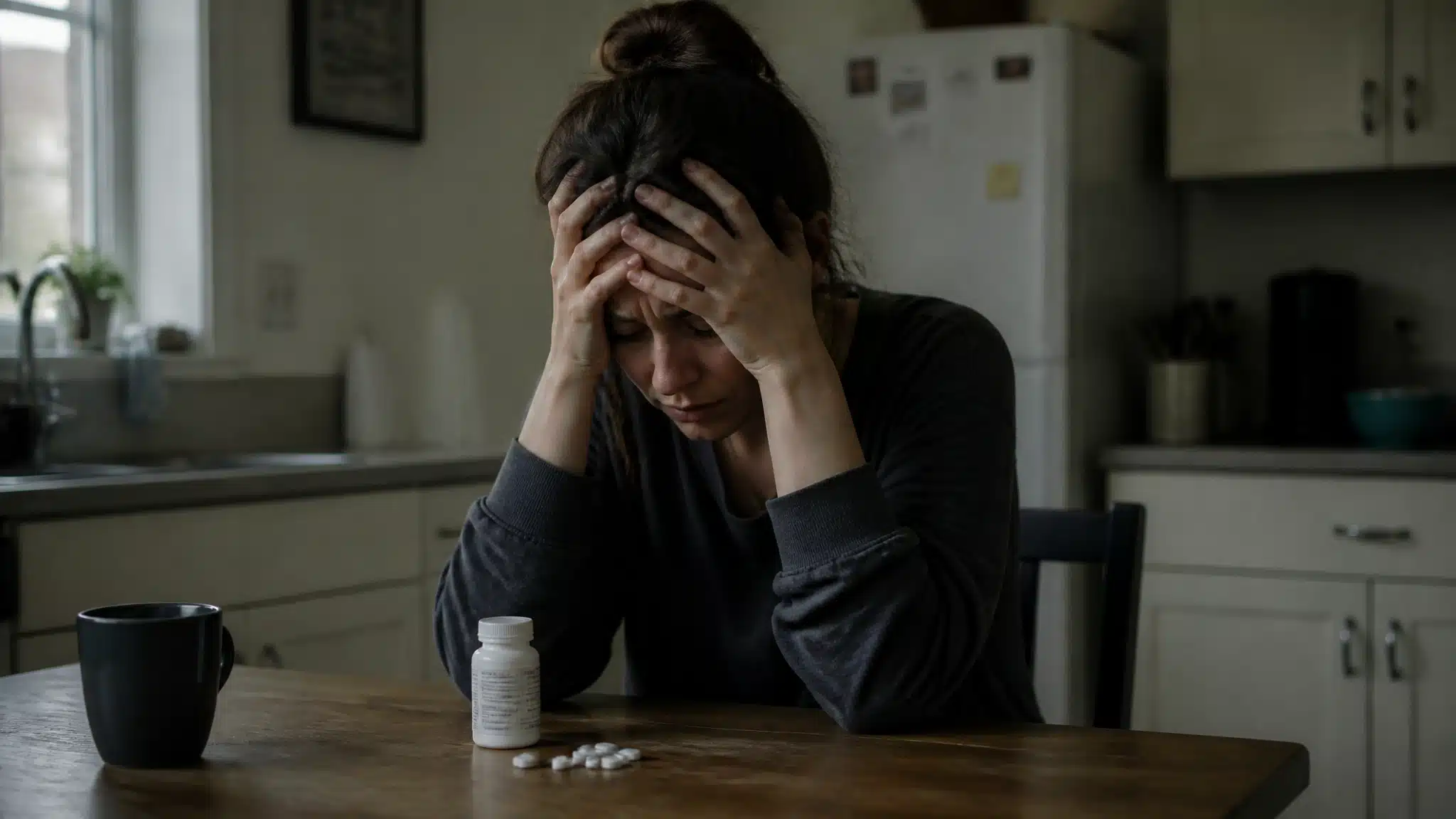
Shared risk is partly genetic and partly environmental, and the two are difficult to separate cleanly because they affect the same vulnerable systems. Research does offer rough estimates. Genetics raises your vulnerability to both psychiatric disorders and addiction, which helps explain why these conditions cluster in families. Inherited traits shape the reward, stress, impulse control, and decision-making circuits that underlie both illnesses. But your genes do not act alone. Early life stress, trauma, and adverse childhood experiences push those same circuits toward dysfunction, and social factors like poverty, unstable housing, and chronic stress add further weight. Adolescence intensifies the interaction, since brain development and substance exposure collide with emerging mental illness. So you are looking at shared genetic loading amplified by environmental exposure, each reinforcing the other across the same biological pathways.
Why does adolescent exposure raise the odds so sharply
Adolescent exposure raises the odds so sharply because the brain is still developing, making it more vulnerable to the effects of drugs and alcohol. Your reward circuits mature faster than the prefrontal regions that govern impulse control and decision-making, leaving you biologically primed to seek substances while ill-equipped to regulate use. When drugs or alcohol enter this developmental window, they interact with emerging mental illness, amplifying vulnerability on both fronts.
- Immature prefrontal cortex weakens impulse control and long-term judgment.
- Hyperactive reward system intensifies the reinforcing pull of substances.
- Ongoing neural pruning lets substances permanently alter circuit wiring.
- Emerging psychiatric symptoms collide with exposure, accelerating both disorders.
This timing helps explain why over 60% of adolescents in community-based substance treatment programs meet criteria for another mental illness.
What does knowing the shared cause change for someone living with both
Understanding the shared cause helps you see your mental illness and addiction as one interconnected condition rather than separate failures. The same roots, genetics, early stress, and shared brain circuits, can drive both conditions. This shift matters clinically. You stop blaming yourself for a lack of willpower and start recognizing overlapping biology. That reframing pushes you toward integrated treatment, which addresses both disorders together rather than one at a time. Since fewer than 1 in 6 people with co-occurring disorders get treatment for both, understanding the shared cause helps you demand coordinated care. You also start anticipating how one condition worsens the other, so you monitor sleep, stress, and substance use as connected risks, not isolated problems, reducing relapse and improving your long-term recovery.
Address Both Sides of the Cycle
When addiction and mental health symptoms are feeding each other, treating the substance use alone can leave an important part of the problem untreated. Santa Barbara Recovery provides dual diagnosis treatment for men, with psychiatric evaluation and integrated mental health and addiction care across residential treatment, PHP, IOP, outpatient care, and other levels of support. If you are dealing with substance use alongside depression, anxiety, PTSD, bipolar disorder, or another mental health condition, call (805) 429-1203 to discuss treatment options.
Frequently Asked Questions
What Does Integrated Treatment for Co-Occurring Disorders Actually Involve?
You’ll receive coordinated care that treats your mental illness and substance use disorder simultaneously, not separately. That means combining addiction treatment with psychiatric care, since treating only one leaves the other untreated and raises your relapse risk. You’ll also get support for underlying issues like trauma, housing, and recovery needs. Because co-occurring disorders are often more severe, this integrated approach addresses both conditions together to improve your functioning and long-term outcomes.
Which Disorder Should Be Treated First When Both Are Present?
You shouldn’t treat one first—you should treat both together. Integrated care works better than sequencing because addressing only one disorder often leaves the other untreated, raising your relapse risk. Since the relationship’s bidirectional, waiting to treat your mental illness until you’re sober (or vice versa) can worsen both. You’ll get coordinated mental health and addiction treatment simultaneously, plus support for trauma, housing, and recovery needs. Concurrent, not consecutive, care wins.
How Can I Find a Provider Who Treats Both Conditions?
You’ll want to look for providers offering integrated treatment, since treating both conditions together lowers your relapse risk. Search SAMHSA’s national helpline or treatment locator, and ask specifically whether they address co-occurring mental health and substance use disorders. Confirm they coordinate psychiatric care, addiction treatment, and support for trauma, housing, and recovery. Don’t settle for someone treating just one condition—you’ll get better outcomes when your care’s fully coordinated and all-encompassing.
Does Treating One Condition Improve the Other on Its Own?
Not usually enough on its own. When you treat only one condition, you often leave the other untreated, which raises your relapse risk and limits your recovery. Because these disorders interact bidirectionally, improving one can help somewhat, but lasting progress typically requires integrated care. You’ll get better results when your treatment addresses both your mental health and substance use together, along with trauma, housing, and other recovery needs simultaneously.
How Does Having Both Disorders Affect Relapse and Recovery?
When you’re managing both disorders, you’ll typically face a harder recovery and higher relapse risk than with either condition alone. Co-occurring disorders are usually more severe clinically and psychosocially, so untreated symptoms in one can destabilize the other and trigger setbacks. If you only address one condition, you’ll leave the other driving relapse. That’s why you’ll recover more reliably with integrated treatment that targets both, plus trauma, housing, and ongoing support.