






You’ll typically feel Benadryl’s effects within 15 to 30 minutes of taking an oral dose, with peak relief occurring between one and three hours after ingestion. The medication’s active effects generally last four to six hours, though residual drowsiness can persist for 6 to 12 hours. Complete elimination from your system takes anywhere from 13 to 49 hours, depending on individual factors. Several variables can profoundly influence how your body processes this antihistamine.
How Quickly Benadryl Starts Working
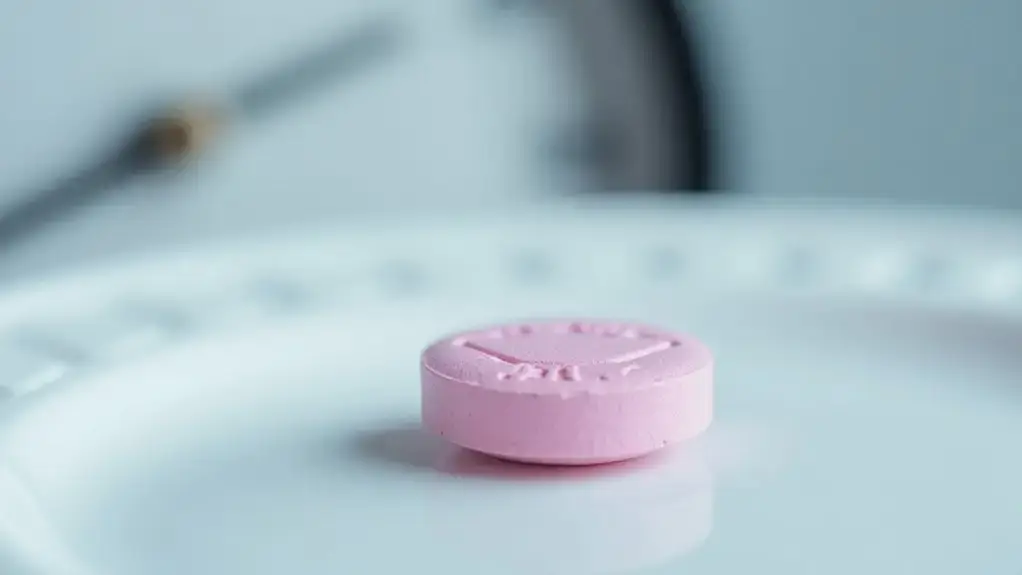
Benadryl typically starts working within 15, 30 minutes after you take an oral dose, though full effects may take longer to develop. When does Benadryl start working at its maximum? You’ll likely experience peak relief between 1, 3 hours after ingestion, when plasma concentrations reach their highest levels.
The Benadryl onset of action depends partly on your reason for taking it. For allergy symptoms like sneezing or itching, you should notice improvement within that initial 15, 30 minute window. If you’re using it as a sleep aid, take it approximately 30 minutes before bedtime. Be aware that side effects also peak around the 2-hour mark after taking your dose.
How long does it take for Benadryl to kick in completely? Factors including your metabolism, body weight, and liver function can influence this timeline, shifting your experience within the typical range. For faster relief, intravenous Benadryl has an onset of action of just 2, 5 minutes, which is why it’s often used in clinical settings for acute allergic reactions.
Different Forms and Their Absorption Rates
The form of Benadryl you choose directly affects how quickly diphenhydramine enters your bloodstream. Liquid solutions work faster than tablets because the drug is pre-dissolved, eliminating the disintegration step. You’ll typically notice how fast does Benadryl work varies, liquids begin absorbing almost immediately, while standard tablets require dissolution first.
Oral forms reach Benadryl peak effects within 1.5 to 3 hours, regardless of whether you take liquid or tablets. The difference lies in how rapidly absorption begins, not the total amount absorbed. Chewable and orally disintegrating tablets fall somewhere between, offering convenience without significant speed advantages. Diphenhydramine is widely used in non-prescription sleep aids, making these absorption differences particularly relevant for those using it as a nighttime remedy.
Understanding absorption rates helps predict how long does it take Benadryl to wear off. All oral forms share similar bioavailability of 40, 60%, meaning metabolism timing remains comparable once the drug reaches systemic circulation. The liver extensively metabolizes diphenhydramine, resulting in a half-life that ranges from 2 to 10 hours depending on individual factors. Factors such as age, liver function, and other medications can influence the benadryl halflife and clearance, leading to variations in how long the effects last for different individuals. Furthermore, understanding these dynamics is essential for managing side effects and interactions, especially in populations like the elderly or those with compromised liver function.
How Long Benadryl Effects Last

Once diphenhydramine reaches your bloodstream, its effects follow a predictable timeline that shapes how you’ll experience both relief and side effects. You’ll typically notice peak symptom relief between one and three hours after taking your dose. The active effects generally last four to six hours, which explains why dosing guidelines recommend this interval.
| Effect Phase | Typical Duration |
|---|---|
| Peak relief | 1, 3 hours post-dose |
| Active effects | 4, 6 hours |
| Residual drowsiness | 6, 12 hours |
| Full elimination | 13, 49 hours |
You should expect residual drowsiness to persist beyond the therapeutic window. Because diphenhydramine’s half-life ranges from 2.4 to 9.3 hours, significant amounts remain in your system overnight. This explains next-day grogginess that many users report, particularly after evening doses. The medication works by blocking histamine receptors in your brain, which reduces alertness and contributes to both the therapeutic sedation and unwanted drowsiness. Combining Benadryl with other medications, drugs, or alcohol increases the risk of overdose and can intensify these lingering effects.
Factors That Influence How Long Benadryl Stays in Your System
Your body’s ability to clear Benadryl depends heavily on your age and metabolic rate, children typically eliminate the drug in about 5 hours, while adults average 9 hours and older adults may take up to 18 hours. Liver and kidney function play critical roles since your liver metabolizes diphenhydramine and your kidneys excrete the byproducts, meaning impairment in either organ can vastly extend how long the medication remains active. If you have chronic health conditions affecting these organs, you should expect Benadryl to stay in your system longer than standard elimination estimates propose. Additionally, taking higher doses extends the elimination half-life, meaning increased dosages require more time for your body to fully process and remove the medication. Staying well-hydrated also helps your body eliminate Benadryl more efficiently by supporting kidney function and the excretion process.
Age and Metabolism Effects
Age profoundly affects how quickly your body processes and eliminates diphenhydramine. Children metabolize the drug faster, with a half-life around 5.4 hours compared to 9 hours in adults. However, this doesn’t mean children should take more frequent doses, they’re prone to paradoxical excitation and require strict weight-based dosing. Infants under one year shouldn’t receive diphenhydramine due to respiratory depression risks.
If you’re 65 or older, expect prolonged effects. Your half-life may exceed 13 hours, increasing your risk for cognitive decline and delirium. The Beers Criteria classifies diphenhydramine as inappropriate for routine use in older adults. However, research involving volunteers aged 21 to 76 years found no significant influence of age on diphenhydramine pharmacokinetics after a single 25-mg dose.
Your metabolic rate also matters. CYP2D6 enzyme activity varies genetically, poor metabolizers experience extended sedation, while ultra-rapid metabolizers clear the drug faster. Certain medications can inhibit this enzyme, prolonging diphenhydramine’s effects unexpectedly.
Liver and Kidney Health
The liver processes nearly all diphenhydramine through extensive first-pass metabolism, eliminating 50, 60% of each dose before it even reaches your bloodstream. If you have hepatic impairment, metabolism slows considerably, leading to elevated blood levels and prolonged effects. In rare cases, prolonged diphenhydramine use has been associated with drug-induced liver injury, as documented in a case involving 400 mg nightly over four months.
| Organ | Normal Function | Impaired Function |
|---|---|---|
| Liver | Clears drug within 24, 48 hours | Slower metabolism, higher blood levels |
| Kidneys | No routine changes | Urinary retention risk increases |
| Both | Low toxicity at standard doses | Requires medical supervision |
Your kidneys aren’t directly involved in diphenhydramine elimination, but anticholinergic effects can cause urinary retention, creating pressure that affects kidney function. Adults 65 and older face higher risk. Watch for dark urine, difficulty urinating, or confusion, these warrant immediate medical attention. Interestingly, research has shown that antihistamines like chlorcyclizine may actually help the liver clear toxic buildup in certain conditions, as studies in female mice with erythropoietic protoporphyria demonstrated reduced hepatic protoporphyrin accumulation and liver injury.
When Side Effects Appear and Peak

You’ll typically notice side effects like drowsiness and dry mouth within 20 to 30 minutes of taking Benadryl, with sedation reaching its peak intensity around 1 to 3 hours after your dose. Most common side effects, including dizziness and impaired coordination, will diminish substantially within 4 to 6 hours, though residual drowsiness can persist longer. It’s worth noting that older adults and children may experience these side effects differently due to variations in how their bodies metabolize the medication. The dry mouth and nose you may experience occur because diphenhydramine blocks acetylcholine in your body. You should seek immediate medical attention if you experience severe symptoms such as difficulty breathing, rapid heartbeat, or significant confusion, as these may indicate a serious reaction requiring prompt evaluation.
Common Side Effects Timeline
Most side effects from Benadryl follow a predictable timeline that mirrors the drug’s absorption and peak plasma levels. You’ll typically notice the earliest effects within one to two hours of taking your dose.
| Side Effect | Typical Onset |
|---|---|
| Dizziness | 1, 2 hours |
| Dry mouth | First few hours |
| Drowsiness | 1, 2 hours |
| Blurry vision | Within hours |
| Nausea | Shortly after dosing |
Anticholinergic effects like dry mouth and throat dryness appear early and often persist throughout the entire dosing interval. You may experience these symptoms into the next day, particularly with nighttime doses. Dizziness typically lasts four to eight hours, matching the drug’s elimination half-life. Headache and mild GI upset are generally transient, resolving within hours when you’re using Benadryl short-term. Children may experience different effects, including the possibility of hyperactivity and excitability rather than the typical drowsiness seen in adults.
Peak Drowsiness Timing
Drowsiness from Benadryl typically begins within 15 to 30 minutes after you take a dose, making it one of the fastest-acting sedative antihistamines available. Peak plasma concentrations occur between 1 to 3 hours post-administration, with maximum drowsiness reaching its height around 1 to 2 hours.
Key timing factors to contemplate:
- Peak sedative effects align with peak plasma levels at 1 to 2 hours
- Higher doses intensify and prolong peak drowsiness compared to standard 25mg
- Elderly individuals experience heightened sensitivity and extended sedative peaks
- Individual metabolism, age, and liver function cause significant timing variations
You should avoid driving or operating machinery for up to 6 hours after dosing. Sedative effects often persist longer than antihistamine benefits, so plan activities accordingly.
Serious Effects Warning Signs
While Benadryl’s therapeutic effects peak within 1 to 3 hours, serious toxicity follows a similar timeline, making this window critical for recognizing warning signs.
Anticholinergic symptoms like dry mouth, flushed skin, dilated pupils, and blurred vision typically emerge within 30 to 60 minutes. More severe effects including confusion, hallucinations, marked tachycardia, and seizures, generally peak around 2 to 3 hours post-dose.
You should seek immediate medical attention if you experience fast heartbeat, palpitations, chest discomfort, difficulty breathing, or sudden severe confusion. Trouble urinating, severe eye pain, or sudden vision changes also warrant urgent evaluation.
If you’re older or have heart disease, long QT syndrome, seizure disorders, or take other sedating medications, you’re at higher risk for rapid, dangerous toxicity at lower doses. Don’t delay care if symptoms escalate. It’s crucial to seek medical attention promptly to address any concerning symptoms. Additionally, if you or someone you know struggles with medication misuse, consider exploring prescription drug addiction recovery options to ensure a safe path towards healing.
How Your Body Eliminates Benadryl
Your body relies on two key organs, the liver and kidneys, to break down and eliminate Benadryl from your system. The liver processes 50, 60% of each dose through CYP2D6 enzymes before the drug reaches circulation. Remaining metabolites travel to your kidneys for urinary excretion.
Complete elimination typically requires 24, 48 hours, though detection may extend to four days.
Factors affecting your elimination time:
- Age: children clear the drug in 4, 7 hours; elderly adults may require 9, 18 hours per half-life
- Liver or kidney impairment can prolong clearance beyond 48 hours
- CYP2D6 genetic variations alter your metabolic speed
- Concurrent medications may inhibit or induce liver enzymes
You can’t accelerate elimination. Staying hydrated supports normal kidney function, but physiologic clearance proceeds at its own pace.
Don’t Wait Help Is Available Now
Frequently Asked Questions
Can I Take Benadryl on an Empty Stomach or With Food?
You can take Benadryl with or without food, both options are safe and won’t markedly affect how well the medication works. If you experience stomach upset or nausea, taking it with a small snack may help reduce discomfort. Taking it on an empty stomach might provide slightly faster onset for acute symptoms. Choose whichever approach feels most comfortable for you, and always follow package directions or your healthcare provider’s recommendations.
Is It Safe to Drive After Taking Benadryl?
You shouldn’t drive after taking Benadryl. Diphenhydramine causes drowsiness, impaired coordination, and slowed reaction times within 20, 30 minutes of dosing, effects that can last 4, 6 hours or longer. These impairments may persist even after you feel awake. Most product labels explicitly warn against driving or operating machinery. You’ll want to wait at least 4, 6 hours after your dose, longer if you’re taking higher amounts or other sedating medications.
Can I Take Another Dose if Benadryl Isn’t Working?
You shouldn’t take another dose before the recommended 4, 6 hour interval, even if you’re not feeling relief yet. Benadryl can take up to 1, 3 hours to reach peak effect, so give it time. Re-dosing too soon increases your risk of sedation, confusion, and anticholinergic side effects. If symptoms persist after a proper dose at the correct interval, contact your healthcare provider rather than exceeding the maximum daily limit.
Will Benadryl Show up on a Drug Test?
Benadryl won’t show up on standard employment or legal drug panels, as these tests don’t target diphenhydramine. However, you should know it can trigger false positives for PCP, benzodiazepines, or tricyclic antidepressants on some immunoassay screens. If you’re facing testing, disclose your Benadryl use beforehand. Confirmatory testing (GC-MS or LC-MS/MS) can distinguish diphenhydramine from actual drugs of concern if an unexpected positive occurs.
Can I Give Benadryl to My Pet for Allergies?
You can give Benadryl to your pet for allergies, but you’ll need veterinary guidance first. Dogs typically receive 1-2 mg/kg orally every 8-12 hours, while cats rarely tolerate it safely. Don’t exceed 4 mg/kg daily for dogs or use it longer than 3-5 days. Watch for drowsiness or paradoxical hyperactivity in cats. Since breed-specific sensitivities and contraindications exist, always consult your vet before administering any antihistamine.