






Most kratom users dose 2, 3 times daily, but you shouldn’t redose until the previous dose’s effects have fully cleared. Low doses (1, 3 g) wear off in about 2 hours, so you can redose sooner, while doses above 5 g can last up to 7 hours, requiring longer gaps. Because tolerance develops within days to weeks of frequent use through neuroadaptation, how you space your doses directly affects how quickly you’ll need more to feel the same effects.
How Often Most People Take Kratom Each Day
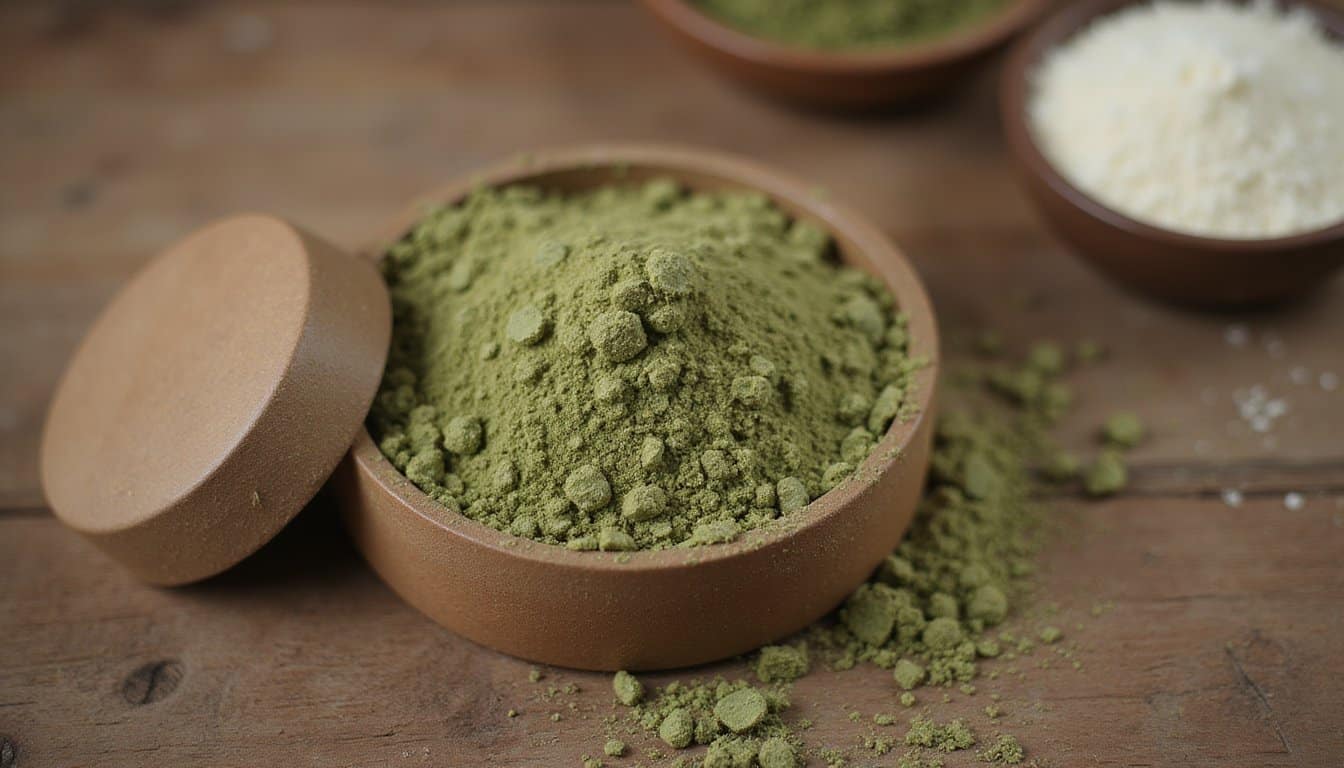
Most regular kratom users dose 2, 3 times per day, typically consuming 1, 5 g per session. Studies show the majority of extract users administer three doses daily in the 3, 5 g range, while nearly half of all users keep individual doses between 1, 3 g. If you’re wondering how often to take kratom, these patterns reflect the most commonly reported frequencies.
Seven out of ten participants in one study used kratom every day, and over 62% reported using it more than four times per week. Doses below 5 g tend to produce stimulant effects, while 5, 15 g shifts toward pain relief. Adverse effects become more likely when you exceed 8 g per dose or take kratom 4, 5 times daily, so staying within moderate ranges matters. Notably, regular users in that study averaged 6.6 years of use, suggesting that many people maintain these dosing frequencies over extended periods without escalating to problematic levels.
How Fast Kratom Works Based on Form and Food
The form you choose and whether you’ve eaten directly affect how quickly kratom’s alkaloids reach your bloodstream. On an empty stomach, powder typically takes 15, 30 minutes to kick in, while extracts and tinctures can work in as little as 5, 15 minutes, but capsules require 45, 90 minutes because the gelatin shell must dissolve first. If you’ve had a full meal, expect onset to shift to 45, 90 minutes regardless of form, since your body prioritizes digestion over alkaloid absorption. Once effects begin, they generally peak within 1, 2 hours and can last anywhere from 3 to 6 hours depending on dosage and individual metabolism.
The form you choose and whether you’ve eaten directly affect how quickly kratom’s alkaloids reach your bloodstream. On an empty stomach, powder typically takes 15, 30 minutes to kick in, while extracts and tinctures can work in as little as 5, 15 minutes, but capsules require 45, 90 minutes because the gelatin shell must dissolve first. If you’ve had a full meal, expect onset to shift to 45, 90 minutes regardless of form, since your body prioritizes digestion over alkaloid absorption. Once effects begin, they generally peak within 1, 2 hours and can last anywhere from 3 to 6 hours depending on dosage and individual metabolism, providing a clear duration of kratom effects explained in practical terms.
Empty Stomach Speeds Onset
Because kratom’s alkaloids absorb more efficiently without food competing for uptake, an empty stomach considerably accelerates onset time. You’ll typically notice effects within 15, 45 minutes, compared to delayed absorption when food buffers alkaloid contact with gastric receptors. Waiting 2, 3 hours after eating guarantees unobstructed uptake and predictable timing. However, this approach can also increase the risk of nausea, which lasts 1, 3 hours and coincides with peak effects.
- Rapid bloodstream entry produces stronger, faster-acting effects that peak within 1, 2 hours post-ingestion.
- Citrus juice and hydration further enhance absorption rates on an empty stomach.
- Smaller servings activate quicker than larger ones, shortening onset considerably.
Understanding how long between kratom doses matters here because faster onset means effects also taper sooner. You’ll experience peak intensity for 1, 3 hours, with gradual decline occurring 4, 6 hours post-onset, directly influencing your redosing timeline.
Capsules With Food Delay
While an empty stomach accelerates kratom’s onset, capsules taken with food create the opposite effect, considerably delaying how quickly you’ll feel results. Capsules require dissolution before alkaloid release, and a full stomach slows gastric emptying by 1-3 hours. Heavier meals intensify this delay compared to lighter ones.
This timing shift matters when determining how long to wait between kratom doses. Food pairing extends duration and smooths the peak, reducing intensity spikes. Fatty foods may enhance absorption of fat-soluble compounds despite the slower onset.
For practical optimization, wait 1-3 hours post-meal before taking capsules. Lighter meals minimize delay while still reducing nausea. Track your stomach state, capsule timing, and effect patterns, individual metabolism considerably varies the delay extent, making personal data your most reliable guide.
Why a Bigger Kratom Dose Means Waiting Longer to Redose
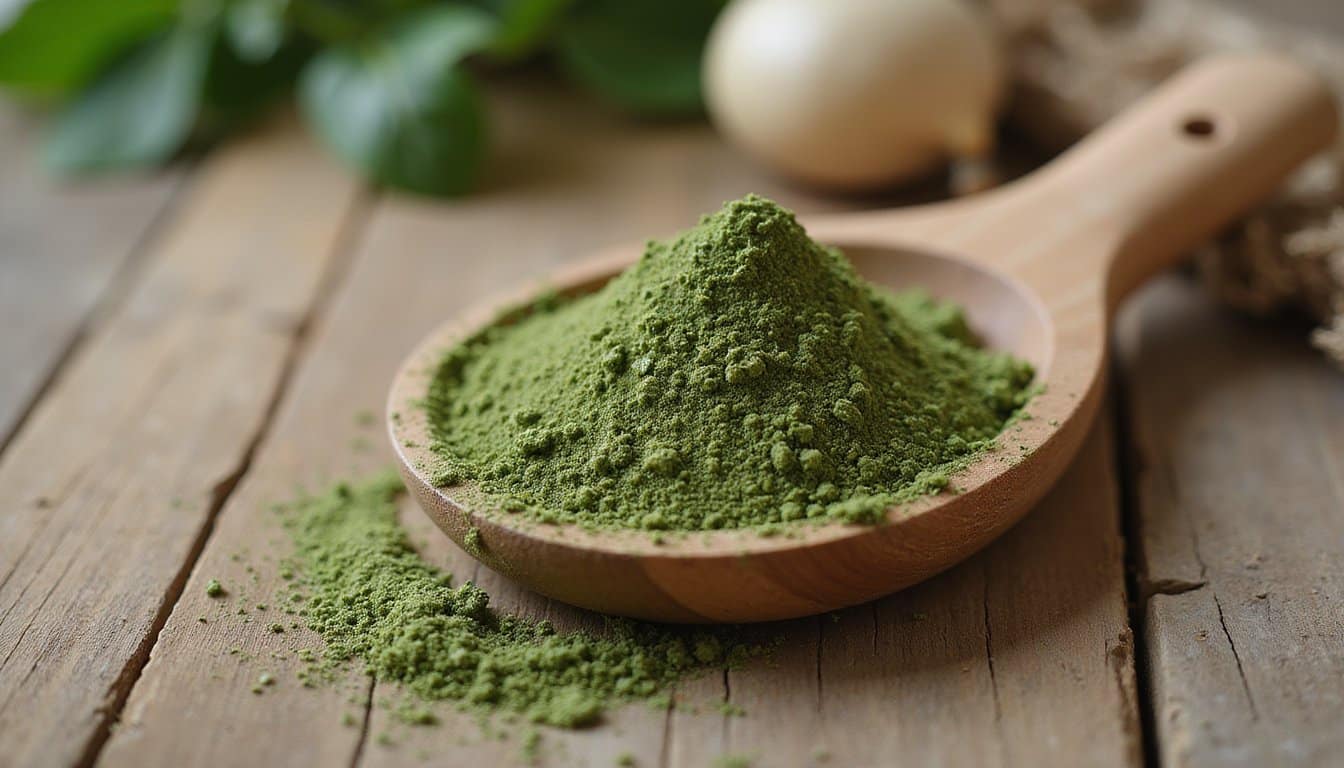
When you take a dose above 5g, kratom’s effects shift from stimulant to sedative, and the total duration extends from roughly 2 hours to as long as 7 hours depending on the amount consumed. That prolonged sedation means your body’s opioid receptors remain occupied longer, which delays the point at which redosing won’t accelerate tolerance buildup. If you’ve taken a larger dose, you’ll need to wait proportionally longer, often several additional hours beyond the felt effects, before your next dose to reduce the risk of rapid dependence and compounding side effects.
Larger Doses Last Longer
A single gram difference in your kratom dose can shift the duration of effects by several hours. When you’re determining how often should you take kratom, dose size is the primary variable. Low-to-moderate doses produce effects lasting roughly 2 hours, while higher doses extend that window to 5, 6 hours. Peak effects hit 1, 2 hours post-ingestion, but larger amounts delay metabolism due to pharmacokinetic saturation.
A single gram difference in your kratom dose can shift the duration of effects by several hours. When you’re determining how often should you take kratom, dose size is the primary variable shaping kratom effects. Low-to-moderate doses produce effects lasting roughly 2 hours, while higher doses extend that window to 5, 6 hours. Peak effects hit 1, 2 hours post-ingestion, but larger amounts delay metabolism due to pharmacokinetic saturation.
- Low dose (1, 3g): Effects fade within 2 hours; redosing window opens sooner.
- Moderate dose (3, 5g): Effects persist 3, 4 hours; 7-OH alkaloid activity extends sedation.
- High dose (5, 8g): Opioid-like effects last 5, 6 hours; half-life stretches to 8 hours, delaying safe redosing.
Larger doses saturate your system, meaning complete clearance takes 1, 2 days rather than hours.
Sedation Extends Recovery Time
Because higher kratom doses shift the alkaloid profile toward opioid-receptor dominance, sedation becomes the primary effect once you exceed 5 g, and that sedation directly extends the time your body needs before it’s safe to redose. Red vein strains like Bali can sustain this sedation for up to 6 hours, compounding recovery time.
Mitragynine’s half-life sits around 24 hours, meaning full elimination takes roughly 5 days. When sedation layers onto this slow clearance, your metabolic recovery stalls further. If you’re wondering how often can I take kratom after a high-dose session, the answer demands patience. Slower metabolism, food intake, and capsule delivery all lengthen sedative recovery. Redosing before your body clears residual alkaloids accelerates tolerance buildup and raises the risk of dependence.
How Tolerance Builds With Regular Kratom Use
Tolerance to kratom typically develops within a few days to a few weeks of frequent consumption, driven by neuroadaptation, the brain’s recalibration of its chemical balance in response to repeated alkaloid exposure. When you take the same dose consistently, your opioid receptors lose sensitivity, requiring higher amounts to produce identical effects. This escalation pattern directly answers how often can you take kratom before diminishing returns set in. The duration of these effects can vary, leading to the question of how long do kratom high last. Typically, users report that the high can last anywhere from a few hours to several, depending on factors such as dose, strain, and individual metabolism. Understanding this can help users make more informed decisions about their consumption patterns and manage their expectations effectively.
Several mechanisms accelerate this process:
- Receptor downregulation, your brain reduces receptor availability after continuous alkaloid binding, blunting the response you initially experienced.
- Neurotransmitter rebalancing, your body adjusts endorphin and serotonin release to compensate for kratom’s presence, normalizing what was once a noticeable effect.
- Strain-specific adaptation, prolonged exposure to one strain accelerates tolerance faster than rotating varieties.
Signs You’re Taking Kratom Too Often

Recognizing when your kratom use has crossed from occasional to excessive starts with identifying specific physical, behavioral, and psychological warning signs that signal neuroadaptive stress. Physically, you may experience nausea, tachycardia, hypertension, or seizures, each indicating receptor overstimulation. Withdrawal symptoms like muscle aches, insomnia, diarrhea, and tremors confirm physiological dependence has developed.
Behaviorally, you’ll notice neglected responsibilities, failed quit attempts, and continued use despite negative consequences. Cognitively, persistent cravings, difficulty concentrating, and depressed mood point to disrupted reward circuitry.
Long-term markers include constipation, weight loss, liver toxicity, and skin discoloration. These signs directly correlate with accelerated kratom tolerance, meaning your mu-opioid receptors have downregulated from excessive activation. If you’re increasing doses to achieve baseline effects, your dosing frequency has exceeded your body’s adaptive capacity.
How to Space Kratom Doses More Safely
If you’ve identified signs that your kratom use has become excessive, the next step involves systematically restructuring your dosing schedule to reduce neuroadaptive stress on mu-opioid receptors. Understanding how to space kratom doses more safely starts with measuring your current intake precisely and mapping dose timing.
- Extend intervals gradually: Increase time between doses by 2, 4 hours weekly, targeting the 16.5-hour average interval observed in studies.
- Reduce total daily intake: Cut your dose by 10, 25% every 3, 7 days, stabilizing for 3, 5 days between reductions.
- Anchor your kratom dosing schedule: Maintain consistent dosing times to prevent withdrawal spikes during reductions.
For example, dropping from 20g daily to 15g in week one, then 12g in week two, provides structured tolerance mitigation. Consult a healthcare provider before adjusting.
Get Help Today Before It Gets Harder
Kratom has a way of becoming part of your daily life before you even realize it and walking away from it is harder than most people expect. At Santa Barbara Recovery Center, we provide Addiction Treatment with the care and support you need to heal and move forward. Call (805) 429-1203 now and walk toward a life that feels like yours again.
Frequently Asked Questions
Can You Take Kratom on the Same Day as Prescription Medications?
You shouldn’t take kratom on the same day as prescription medications without medical guidance. Kratom inhibits CYP2D6 and CYP3A enzymes, altering how your body metabolizes drugs like blood thinners, antidepressants, and sedatives. Combining it with opioids risks fatal respiratory depression, while SSRIs or MAOIs can trigger dangerous serotonin accumulation. Even a single low dose modestly increases exposure to co-consumed drugs. You’re introducing unpredictable variables that can dramatically amplify side effects or trigger overdose.
Does Rotating Kratom Strains Help Prevent Tolerance From Developing?
Rotating kratom strains can help delay tolerance buildup. When you stick to one strain, your body adapts to its specific alkaloid profile, a phenomenon called Stagnant Strain Syndrome. By cycling through different strains, ideally five to seven, you’re exposing your body to varying ratios of mitragynine and 7-hydroxymitragynine, which forces continued adaptation. You shouldn’t use the same strain on consecutive days, and you’ll still benefit from incorporating one to two weekly breaks.
Is It Safe to Take Kratom Every Day Long Term?
Daily long-term kratom use carries real trade-offs you should weigh carefully. Research shows 20+ years of regular consumption doesn’t notably alter liver, kidney, or thyroid markers, but it does increase your risk of dependence, tolerance, and opioid-like withdrawal within 1, 12 hours of your last dose. You’ll also face elevated lipid levels and higher odds of sinus tachycardia (OR 8.61). Chronic effects can include insomnia, cognitive impairment, and weight loss.
How Long Should a Kratom Tolerance Break Last to Be Effective?
A tolerance break of 2 to 5 weeks typically resets your receptor sensitivity to near zero. If you’ve maintained low doses, you’ll likely recover in about 10 days. If you’ve used high doses long-term, you should plan for at least 3 months to fully restore alkaloid sensitivity. Your dosing habits, metabolism, and frequency directly influence how quickly your mu-opioid receptors recalibrate. Longer breaks consistently yield better sensitivity restoration.
Does Kratom Interact Differently With Alcohol Compared to Other Substances?
Yes, kratom interacts with alcohol more dangerously than with most other substances. When you combine them, you amplify central nervous system depression through shared GABA pathways, tripling your respiratory depression risk compared to kratom-stimulant pairings. You’ll also face up to 70% nausea incidence versus 20% with caffeine. Alcohol extends kratom’s effects beyond six hours, accelerates tolerance by 30%, and intensifies withdrawal two to threefold compared to kratom alone.