






Yes, you can take ADHD medication during addiction recovery when it is properly prescribed and closely monitored. Research shows treated ADHD carries a lower relapse risk than leaving it untreated. Doctors often use extended-release or non-stimulant options like atomoxetine to limit misuse. Santa Barbara Recovery Center reviews your full history before prescribing, then monitors treatment to keep recovery safe.
Key Takeaways
- Yes, ADHD medication can be safely taken during addiction recovery when properly prescribed and carefully monitored by clinicians.
- Research shows people treated with ADHD medication face lower relapse risk than those left untreated.
- Non-stimulant options like atomoxetine, alpha agonists, and bupropion offer effective alternatives with fewer diversion risks.
- Many clinicians consider stimulants like methylphenidate first-line only after one to three months of maintained abstinence.
- Decisions depend on addiction history, substance use disorder severity, abstinence duration, and available monitoring capacity.
Can you take ADHD medication while in addiction recovery

Yes, you can take ADHD medication during addiction recovery, and for many people, doing so is both safe and beneficial. Stimulant medications like methylphenidate and non-stimulants like atomoxetine can effectively manage your symptoms without derailing your sobriety when prescribed and monitored carefully. Research shows that people taking ADHD medication actually face a lower risk of relapse than those left untreated. Understanding the connection between adhd medication and addiction is key, since untreated symptoms often intensify during recovery and increase your relapse risk.
Success depends on careful medication management. Your doctor may prescribe extended-release or prodrug stimulants with lower abuse liability, limit prescriptions to weekly refills, or recommend non-stimulant options. With honest communication about your history and consistent monitoring, you can treat your ADHD safely.
Are stimulant medications safe during recovery
Stimulant medications can be safe and effective during recovery when prescribed and monitored carefully, despite their inherent abuse potential. Studies indicate that people taking ADHD medication face a notably lower risk of relapse than those left untreated. In fact, research shows stimulant medication reduces the risk of emergency room visits for drug abuse by 35 percent for men and 31 percent for women. Clinical trials confirm you can use these medications safely, even with co-occurring substance use disorders, provided you’re under monitored conditions that keep abuse risk low. Continuing treatment may arrest further substance use when your disorder isn’t severe or misuse occurs infrequently. With careful oversight, stimulant medication can genuinely support your addiction recovery rather than jeopardize it.
What non-stimulant ADHD medication options may be considered
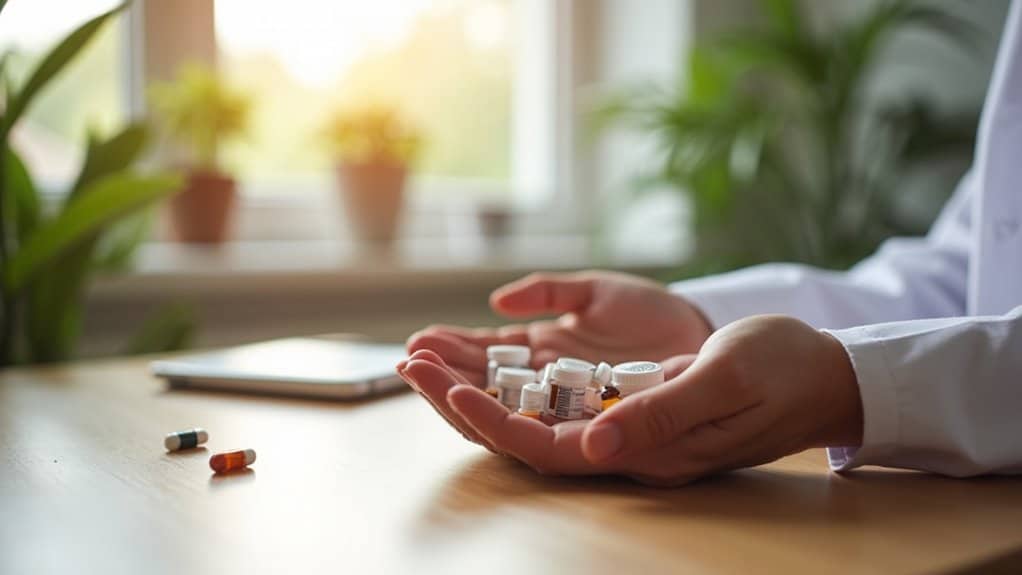
Non-stimulant ADHD medication options include atomoxetine, alpha agonists, and bupropion, all offering safer alternatives with little risk of misuse. These options can address your ADHD symptoms without introducing the diversion risks associated with traditional stimulants. Non-stimulant ADHD medication works differently, and while some options may prove slightly less effective for certain patients, they provide meaningful symptom relief with greater peace of mind. Discuss these alternatives with your prescribing doctor to determine what fits your history and needs.
- Atomoxetine: a non-stimulant with low misuse potential and demonstrated efficacy
- Alpha agonists: including clonidine, offering lower abuse liability
- Bupropion (Wellbutrin): a viable option despite reduced effectiveness for some
- Extended-release formulations: preferred when stimulants are considered
- Prodrug stimulants: activating only after metabolism, limiting diversion risk
What factors guide the medication decision
Several clinical factors guide the medication decision during recovery. Your addiction history, the severity of your substance use disorder, and how long you’ve maintained abstinence all matter. Many clinicians consider stimulants first-line only after one to three months of abstinence, prioritizing relapse prevention alongside effective psychiatric treatment.
| Factor | What Your Doctor Considers |
|---|---|
| Abstinence duration | Longer sobriety may permit stimulant use |
| SUD severity | Milder cases allow more flexibility |
| Abuse liability | Extended-release or prodrug options preferred |
| Monitoring capacity | Support and accountability structures available |
You should disclose your full history and misuse concerns openly. This transparency lets your doctor tailor a cautious, evidence-based plan that balances symptom control with your ongoing safety.
How does treating ADHD support long-term recovery

Treating ADHD supports long-term recovery by building a foundation that directly supports sobriety, especially when you address co-occurring disorders with proper medication. The benefits extend well beyond symptom control. Untreated symptoms like impulsivity often intensify during recovery, making relapse more likely. Managing them helps you stay engaged in treatment longer and reduces destructive behaviors.
- Reduces relapse risk compared to going untreated, according to clinical studies
- Lowers drug-abuse emergency visits by roughly 31 to 35 percent
- Keeps you in outpatient programs well longer
- Provides lasting protection even after you stop medication, though this fades over time
- Curbs other risky behaviors during teen and young-adult years
Whether you’re prescribed Adderall or a non-stimulant, careful monitoring maximizes these protective effects.
How does Santa Barbara Recovery Center support recovery for men with ADHD
Santa Barbara Recovery Center supports recovery for men with ADHD by treating both conditions together rather than in isolation, because ADHD and addiction feed into each other. When you enter treatment, your team reviews your full addiction history before considering any medication. If stimulants are appropriate, you’ll typically be steered toward extended-release or prodrug options like Vyvanse rather than immediate-release formulations such as Ritalin, which carry higher abuse liability. Your prescriptions are monitored closely, sometimes dispensed weekly to limit diversion risk.
Beyond medication, you’ll participate in CBT adapted for both SUD and ADHD, plus psychoeducation that helps you recognize how the two disorders interact. Structured daily routines, mindfulness practices, and increased one-on-one support accommodate your ADHD needs. This integrated approach gives you the accountability and clinical oversight recovery requires.
Treat ADHD and Addiction Together at Santa Barbara Recovery Center
Managing ADHD medication during recovery takes clinical oversight, not guesswork. At Santa Barbara Recovery Center, our dual diagnosis treatment for ADHD and addiction treats both conditions together, reviewing your full history before any medication and monitoring prescriptions closely to limit misuse. Alongside medication, you’ll get CBT adapted for both ADHD and substance use, structured routines, and one-on-one support. Call (805) 429-1203 to talk with our team, or verify your insurance to see what your coverage includes.
Frequently Asked Questions
How Long Should I Be Sober Before Starting ADHD Medication?
Many clinicians suggest you’ve been abstinent for one to three months before starting stimulant medication as a first-line treatment. However, this isn’t a strict rule, your doctor should assess your individual history, symptom severity, and misuse risk. If you’re concerned, you might start with non-stimulant options like atomoxetine or bupropion, which carry little abuse risk. Always disclose your full addiction history so your provider can monitor treatment carefully and adjust accordingly.
Can ADHD Medication Interact With Other Medications During Recovery?
Yes, ADHD medications can interact with other drugs you’re taking during recovery, so you’ll need careful observation. That’s why you should disclose your full medication and addiction history to your prescribing doctor before starting treatment. Your doctor can fine-tune dosages, limit prescriptions to one week at a time, and watch for warning signs. Merging this supervision with regular check-ins helps ensure your medications work safely together throughout your recovery.
What Are the Signs My ADHD Medication Is Being Misused?
You’ll want to watch for drug-seeking behaviors, like requesting early refills or claiming lost prescriptions. Signs include taking more than your prescribed daily dose, running out of medication too quickly, or showing worsening substance use. If you’re diverting medication or others notice these patterns, that’s a red flag. Enlisting family or friends to help monitor your intake can catch these signs early. Your doctor should discontinue treatment if misuse becomes evident.
Does Insurance Cover ADHD Treatment in Dual Diagnosis Programs?
I don’t have specific insurance coverage information in the available clinical resources, so I can’t give you a definitive answer. Coverage varies widely by plan, provider, and location. You’ll want to contact your insurance company directly to verify benefits for dual diagnosis programs, medication management, and behavioral therapy. Your treatment provider’s billing department can also help confirm what’s covered and clarify any out-of-pocket costs before you begin care.
Can ADHD Symptoms Improve Without Medication During Recovery?
Yes, you can improve some ADHD symptoms without medication during recovery, though results vary. You’ll benefit from behavioral interventions like CBT adapted for ADHD, psychoeducation, and structured daily routines that reduce chaos and manage symptoms. Mindfulness practices help ground your attention and lower emotional reactivity. However, untreated ADHD often intensifies during recovery, so it’s cautious to discuss your options with a prescriber, since these approaches may not fully replace medication.