






Modern recovery treatments combine AI-powered wearables, advanced manual therapy, and personalized biometric monitoring to accelerate your healing by up to 73%. You’ll benefit from smart devices that track muscle activity and essential signs while receiving targeted dry needling, contrast therapy, and neuromuscular stimulation. Integrated protocols include precise 4:1 hot-cold ratios and AI-driven exercise adjustments based on your body’s responses. These evidence-based approaches open up powerful healing potential through thorough treatment optimization.
Advanced Dry Needling and Manual Therapy Techniques
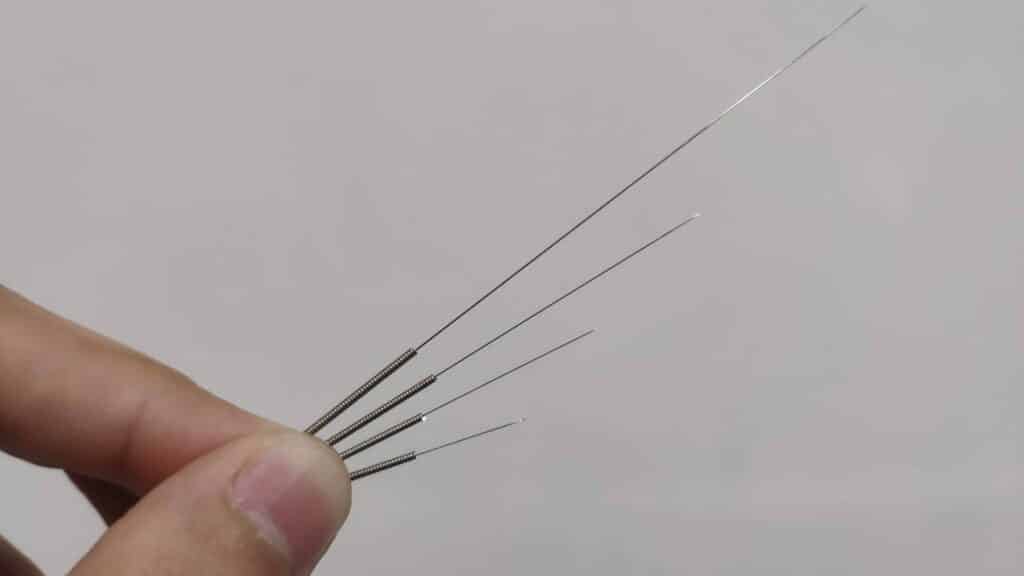
As practitioners seek advanced certifications in dry needling, extensive training programs now integrate sophisticated manual therapy techniques with evidence-based needling protocols. You’ll find specialized certification pathways that progress through multiple levels, combining at least 12.5 hours of hands-on lab training with thorough safety protocols. Current programs like the comprehensive 27-hour lab course offer intensive training in both foundational skills and advanced treatment strategies. Leading experts offer training in Detroit, Michigan from October through November to advance clinicians’ skills in this field. State requirements for certification vary significantly, with some practitioners needing 24 to 80 hours of documented training.
Advanced techniques now target specific clinical conditions through peripheral nerve stimulation and integrative scar tissue treatments. You’ll learn to address chronic tendinopathies, post-surgical rehabilitation, and myofascial pain syndromes using precise anatomical approaches. The 2025 curriculum emphasizes combining electrical stimulation with manual therapy for improved outcomes, particularly in orthopedic cases and post-operative recovery. Research validates these methods through clinical trials focusing on therapeutic mechanisms and documented treatment effectiveness.
Smart Wearable Technology for Recovery Monitoring
The rapid evolution of smart wearable technology has revolutionized physical recovery monitoring through continuous, real-time data collection and analysis. You’ll benefit from AI-powered devices that track your muscle activity, joint movements, and vital signs while providing remote coaching assistance throughout your rehabilitation journey. Advanced systems like the Halo Sport headset enhance motor learning and skill acquisition during rehabilitation exercises. The integration of AR glasses enables real-time visualization of proper exercise form and instant access to recovery protocols.
These smart wearables utilize high-resolution sensors embedded in clothing to map your biomechanical patterns and identify potential compensatory movements. With patient confidence tracking, you can monitor your progress through customized metrics and receive instant feedback on exercise form. The system’s predictive analytics alert you to possible setbacks before they occur, while machine learning algorithms automatically adjust your treatment protocols based on your performance data. This thorough monitoring guarantees you’re following the ideal path to recovery while minimizing re-injury risks. The growing acceptance of these technologies is evident, with over 80% of consumers now willing to use wearables for monitoring their health and recovery progress.
Combination Cold and Heat Therapy Protocols

To optimize your recovery benefits, you’ll need to follow specific temperature protocols that alternate between cold exposure at 50°F-59°F and heat treatments in a structured sequence. Many athletes use a 4:1 ratio protocol when alternating between hot and cold treatments. Your ideal timing involves one-minute cold sessions followed by heat phases, repeated 3-5 times to achieve the full therapeutic effect. The heat sessions promote increased blood circulation to deliver essential nutrients to recovering tissues. You can improve these contrast therapy sessions by incorporating dry heat methods after cryotherapy, ensuring your skin remains dry throughout the treatment for maximum effectiveness. Many luxury wellness centers now offer integrated spa experiences that combine these temperature-based therapies with other recovery modalities.
Sequential Temperature Treatment Protocols
Sequential temperature treatment protocols combine systematic cold and heat applications to optimize healing and recovery outcomes. Through controlled alternation of temperatures, you’ll experience elevated circulation and accelerated tissue repair. The protocol involves applying cold for one minute followed by heat for 3-4 minutes, creating a therapeutic pumping effect that supports muscle relaxation techniques and neural mobilization applications. Using this method helps stimulate blood flow while simultaneously reducing inflammation and loosening tight muscles. The alternating temperatures create a dynamic response cycle that effectively addresses both acute and chronic discomfort. The application of heat increases tissue extensibility and oxygen uptake to enhance the healing process.
- Start with 1-minute cold applications wrapped in protective cloth, followed by 3-4 minutes of heat therapy per cycle
- Repeat the alternation 2-3 times per session, always ending with cold to reduce inflammation
- Limit total exposure to 15-20 minutes of heat and 10-15 minutes of cold
- Modify durations based on your injury type shorter cold periods for acute injuries, longer heat for chronic conditions
Focus on consistent application timing and monitor your body’s response to maximize therapeutic benefits.
Recovery Timing Between Methods
When implementing combination cold and heat therapy protocols, prime recovery timing between methods proves essential for maximizing therapeutic benefits. You’ll need to maintain 30-minute rest periods between contrast therapy cycles to prevent tissue stress and allow for proper physiological adaptation. Vascular responses during alternating temperatures help optimize circulation and healing. Scheduled breaks between sessions help prevent skin damage and tissue complications.
For optimal results, structure your thermal modality timing around 15-minute applications, alternating between cold (10°C-15°C) and heat treatments. Ensuring each cold therapy session is strictly time-limited to 15 minutes helps prevent tissue damage and ensures safe treatment. If you’re managing post-surgical recovery, start with cold therapy for the initial 48 hours before introducing heat. During post-exercise recovery, prioritize cold therapy within 24 hours to address muscle microtraumas.
In 2025, you can improve your recovery timing through AI-driven scheduling and biometric monitoring, which will customize your treatment intervals based on real-time physiological responses and specific healing objectives.
Data-Driven Exercise Programming
Modern exercise programming has evolved beyond traditional one-size-fits-all approaches through the integration of sophisticated data tracking and artificial intelligence. Through AI-powered exercise customization, your workouts now adapt in real-time based on biometric feedback from wearable devices. Data-driven workout optimization guarantees that every training session maximizes results while minimizing injury risk.
- Smart sensors monitor your heart rate variability, muscle recovery, and movement patterns to adjust workout intensity automatically
- Machine learning algorithms analyze your performance data to predict ideal recovery windows and prevent overtraining
- Cross-platform integration synchronizes your nutrition, sleep, and exercise data for thorough health tracking
- Real-time feedback mechanisms, including force plates and motion capture, ensure proper form and technique during exercises
Mind-Body Integration in Physical Recovery

While you’re undergoing physical therapy, incorporating mindfulness techniques like focused breathing and present-moment awareness can greatly improve your body’s natural healing mechanisms. You’ll find that combining somatic therapies with traditional rehabilitation practices helps regulate stress hormones and encourages quicker tissue recovery through improved mind-body communication. Your mental well-being directly impacts physical healing outcomes, making it essential to integrate relaxation techniques and emotional regulation strategies into your recovery protocol.
Mindfulness During Physical Therapy
Through the integration of mindfulness practices with physical therapy, patients can considerably augment their recovery outcomes and pain management capabilities. Mindfulness-based pain management techniques, combined with traditional physical therapy, create a synergistic approach that targets both neurobiological and physical aspects of healing. Remote mindfulness practice through telehealth platforms has made these interventions more accessible while maintaining their effectiveness.
- Consistent daily practice (30 minutes) activates natural pain-modulating pathways, reducing reliance on opioids
- Integration with fitness tracking boosts adherence to prescribed exercises and therapeutic routines
- Computer-guided mindfulness sessions improve sleep quality and reduce treatment-related fatigue
- Combined mindfulness-CBT approaches regulate stress responses through HPA/SAM axis modulation
Your commitment to mindfulness during physical therapy sessions can accelerate healing by fostering ideal neurobiological conditions for recovery.
Mental Recovery Enhances Healing
Building on the role of mindfulness in physical therapy, the intricate relationship between mental and physical recovery forms a cornerstone of effective healing. Your body’s response to stress directly impacts healing speed, making emotional resilience training essential for ideal recovery outcomes.
You’ll accelerate your healing through self-compassion exercises that activate the vagal nerve response, enhancing your body’s natural recovery mechanisms. Mind-body practices, particularly somatic therapy and tai chi, help process trauma-related physical symptoms while strengthening your nervous system regulation. When you combine these approaches with social support and structured psychological interventions, you’ll create a dynamic balance that maximizes both mental and physical healing processes. This integrated approach proves especially valuable during prehabilitation, preparing your mind and body for successful recovery before major physical challenges.
Advanced Compression and Circulation Enhancement
Modern advances in compression technology have revolutionized how athletes and patients accelerate their physical recovery. Dynamic air compression patterns now precisely target specific muscle groups, while medical compression garment design incorporates AI-driven customization for ideal healing. You’ll find these innovations particularly effective when combined with biometric tracking and real-time pressure adjustments.
AI-powered compression technology and real-time biometric tracking have transformed athletic recovery and medical rehabilitation into personalized, data-driven healing experiences.
- Sequential pulse technology prevents fluid backflow and enhances circulation by up to 30%
- Mobile compression boots integrate with smartphone apps for personalized recovery protocols
- Advanced pneumatic systems adapt compression intensity based on your heart rate and movement
- Cryotherapy-enabled compression sleeves combine cold therapy with targeted pressure zones
These evidence-based solutions dramatically improve recovery outcomes, whether you’re managing post-surgical healing, treating lymphedema, or optimizing athletic performance. By incorporating these technologies into your recovery routine, you’ll experience faster healing and reduced downtime.
Therapeutic Exercise and Movement Analysis
Scientific advancements in therapeutic exercise and movement analysis have transformed rehabilitation practices by integrating precision diagnostics with targeted interventions. You’ll benefit from AI-driven posture correction systems that provide real-time feedback on movement patterns, while functional movement mapping identifies biomechanical inefficiencies that could impede recovery.
Modern protocols combine dry needling for rapid muscle tension relief with blood flow restriction training, allowing you to build strength using lighter weights. For cardiovascular rehabilitation, you’ll follow structured aerobic protocols starting at 40-50% heart rate reserve, progressing to 60-80% intensity. Motion capture systems and force plate assessments track your progress, while predictive algorithms detect potential injury risks. This technology-driven approach guarantees precise, personalized interventions that accelerate healing and optimize movement patterns for long-term recovery success.
Digital Biometric Tracking and Adaptation
Your body’s real-time biometric data, collected through advanced wearables like the Oura Ring, provides indispensable insights into your recovery state and readiness for physical activity. AI-powered systems analyze these metrics to make immediate adjustments to your workout intensity and rest periods, helping you avoid overtraining while optimizing healing outcomes. You’ll benefit from personalized protocol modifications that respond to your sleep quality, heart rate variability, and other key recovery indicators, leading to a reported 73% improvement in recovery rates with these tracking features.
Real-Time Recovery Metrics
Digital biometric tracking has revolutionized recovery monitoring through an interconnected ecosystem of wearables and smart devices. Through predictive analytics integration and threshold-based recovery monitoring, you’ll receive real-time feedback that automatically adjusts your rehabilitation protocols based on your body’s response.
- Smart alerts notify your healthcare providers when biometric thresholds deviate from expected ranges, enabling quick interventions
- Continuous data streams from devices like Oura Ring and smartwatches track essential metrics including heart rate variability and sleep quality
- AI-driven platforms analyze your historical patterns to predict potential injury risks before symptoms appear
- Recovery benchmarks guide safe exercise loads while maintaining 77% program adherence rates
This integration of real-time metrics has demonstrated a 73% improvement in recovery outcomes while reducing hospital readmission rates to just 2.4% through personalized, data-driven rehabilitation protocols.
Personalized Protocol Adjustments
While traditional recovery protocols follow rigid templates, modern biometric tracking enables dynamic adjustments customized to your body’s responses. You’ll benefit from AI-driven platforms that analyze your heart rate variability, sleep patterns, and stress levels to fine-tune your rehabilitation journey.
Your recovery program will adapt daily based on real-time metrics, incorporating personalized nutrition plans and adjusting exercise intensity when necessary. Through remote telehealth consultations, therapists can monitor your progress and make immediate protocol modifications if they detect potential injury risks. For female patients, the system accounts for hormonal cycles and reproductive health factors, ensuring ideal training thresholds throughout your menstrual cycle. This data-driven approach has shown a 77% adherence rate, considerably reducing hospital readmissions while accelerating your path to full recovery.
Holistic Recovery Support Systems
Modern recovery science demonstrates that ideal healing requires a thorough approach integrating physical therapy, mental wellness, nutrition, sleep, and manual therapies. Your recovery success depends on implementing customized nutrition guidance alongside tailored sleep optimization protocols that work synergistically with other therapeutic interventions.
- Combine mindfulness meditation with movement pattern correction to bolster both mental focus and biomechanical efficiency
- Integrate anti-inflammatory nutrition strategies with dynamic compression therapy to expedite muscle recovery
- Align sleep optimization protocols with manual therapy sessions to maximize healing during rest periods
- Coordinate behavioral health practices with functional mobility training to guarantee sustainable progress
This extensive system confirms you’re addressing recovery from multiple angles, optimizing your body’s natural healing mechanisms while preventing compensatory patterns that could lead to secondary issues.
Modern Electrical and Ultrasound Modalities
Beyond traditional holistic approaches, advanced electrical and ultrasound modalities have revolutionized physical recovery treatments. You’ll find wireless electrostimulation devices like TENS and NMES offering targeted pain relief and muscle strengthening, while interferential current therapy penetrates deeper to address persistent joint issues.
Regenerative ultrasound therapeutics now deliver precise healing through thermal effects and acoustic cavitation, accelerating tissue repair and reducing inflammation. You can benefit from combination protocols that pair these technologies with AI-driven algorithms, customizing your treatment parameters in real-time.
For chronic conditions, you’ll see improved outcomes using VR-enhanced programs and wearable neurostimulation units that enable home-based therapy. These modern modalities provide evidence-based solutions for differing conditions, from post-surgical recovery to nerve injuries, ensuring faster and more effective healing.
Frequently Asked Questions
How Much Do Advanced Physical Recovery Treatments Typically Cost per Session?
You’ll typically pay $70-250 per session for advanced physical recovery treatments, with costs varying based on treatment modalities and recovery technology used. If you’re insured, expect copays of $20-60, while uninsured rates average $150 per session. Your costs may increase with specialized equipment or manual therapies. In urban areas, you’ll often pay more, and supplementary fees may apply for diagnostic assessments or equipment rentals.
What Certifications Should I Look for When Choosing a Recovery Specialist?
You should prioritize specialists with Board-certified credentials from ABPTS or Certified Recovery Specialist (CRS) certifications, as these demonstrate proven expertise. Look for professionals who maintain specialized certifications through continuing education requirements and have at least 18 months of documented experience. Verify they’ve completed a minimum 30-hour training program and hold state-specific certifications relevant to your location. Remember to check their cultural competency training for holistic care.
Are These Treatments Covered by Most Insurance Plans?
You’ll need to check your specific insurance policy details, as coverage options vary substantially between plans. Medicare covers many physical therapy services, but you’ll typically pay 20% under Part B. Most private insurance plans follow similar frameworks but may have different deductibles and visit limits. Contact your insurance provider directly to verify coverage, pre-authorization requirements, and in-network providers before starting any treatment to avoid unexpected costs.
How Long Before Returning to Sports After Starting These Recovery Protocols?
Your expected recovery timeline typically ranges from 6-12 months before fully returning to sports, with younger athletes advised to wait at least 9 months to reduce reinjury risks. You’ll progress through training intensity modifications starting at 3-4 months with basic strengthening, followed by sport-specific drills at 4-6 months. You’ll need to meet specific strength and functional testing benchmarks, including jump tests and agility assessments, before receiving clearance for competitive play.
Can These Treatments Help With Chronic Conditions Developed Over Many Years?
Yes, these treatments can effectively help with managing long-term pain and mitigating degenerative conditions that you’ve developed over years. You’ll benefit from personalized care approaches that combine data-driven monitoring with targeted interventions, reducing opioid dependence by up to 87%. Through specialized techniques like regenerative therapies and neuromuscular re-education, you can achieve significant improvements in chronic conditions. Regular maintenance programs will help you sustain these gains and prevent further deterioration.