






Klonopin’s side effects range from drowsiness and coordination problems to serious long-term cognitive damage and physical dependence. You can develop dependence in as little as two to four weeks, even at therapeutic doses. Memory impairment, respiratory depression, and a doubled fracture risk are clinically documented risks you can’t afford to overlook. Stopping abruptly triggers dangerous withdrawal, including seizures. The full clinical picture of what this drug does to your brain and body goes much deeper.
What Is Klonopin and How Does It Work?
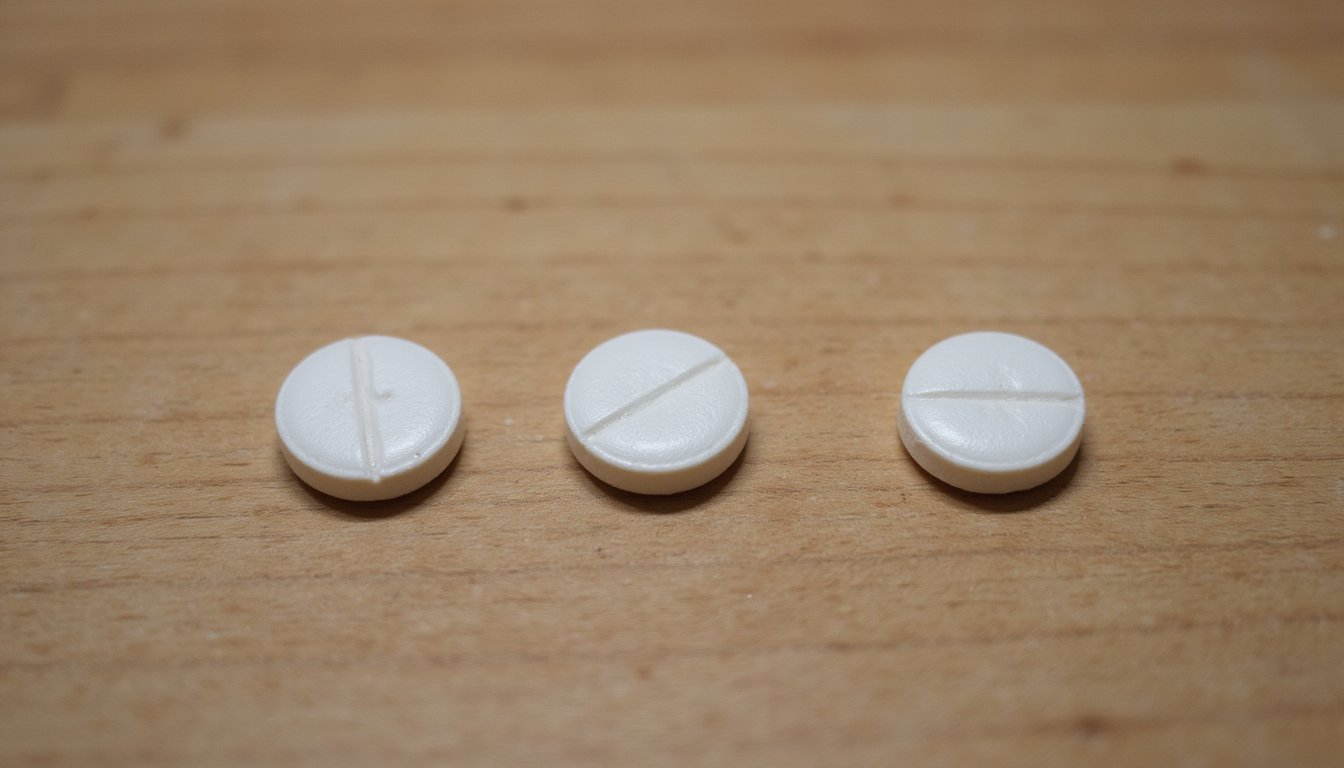
Klonopin is the brand name for clonazepam, a highly potent, long-acting benzodiazepine that the FDA has approved for panic disorder and certain seizure disorders, including absence seizures and myoclonic seizures. As a central nervous system depressant, it functions as both an anticonvulsant medication and an anxiolytic medication with sedative hypnotic drug properties. The pharmacology of clonazepam centers on its role as a positive allosteric modulator of the GABA-A receptor, enhancing the gaba neurotransmitter’s inhibitory activity by increasing chloride channel opening frequency. This drives neuronal hyperpolarization throughout your central nervous system, reducing excitability and seizure propagation. Drug metabolism liver pathways, specifically hepatic CYP3A enzymes, process clonazepam extensively, producing a 30 to 40-hour elimination half-life that sustains therapeutic plasma concentrations but also prolongs side effects when they occur. Notably, clonazepam also influences serotonin activity by decreasing 5-HT utilization in the brain without altering its synthesis, a distinct pharmacological action that sets it apart from many other benzodiazepines.
Short-Term Klonopin Side Effects to Know Before You Take It
Understanding how clonazepam works pharmacologically sets the stage for recognizing what it actually feels like to take it, because the same GABAergic enhancement that suppresses seizures and quiets panic produces a predictable cluster of short-term side effects you’ll likely encounter within the first days to weeks of treatment. Drowsiness and fatigue affect roughly 50% of patients initially, while dizziness and lightheadedness appear shortly after dosing, elevating your fall risk considerably. Coordination impairment compromises balance and motor precision. Cognitively, you’ll potentially notice attention problems, concentration difficulties, and short-term memory loss as hippocampal function becomes suppressed. Gastrointestinal effects, including nausea, occur alongside mood changes such as depressed affect or paradoxical nervousness. Most sedation-related effects diminish within one to four weeks as tolerance develops.
How Klonopin Damages Memory and Cognitive Function

Among clonazepam’s most clinically consequential side effects, cognitive and memory impairment stand out because they don’t announce themselves dramatically, they erode your functional capacity gradually, often going unrecognized until the deficits have become substantial.
Klonopin enhances gamma aminobutyric acid activity, suppressing neural circuits governing memory consolidation, attention, and executive processing. Long-term benzodiazepine class drugs use produces measurable cognitive dysfunction across multiple domains: Klonopin side effects on mental health can include increased anxiety and depression in some individuals.
| Cognitive Domain | Prevalence in Long-Term Users |
|---|---|
| Processing speed deterioration | 32.6% |
| Sustained attention/concentration problems | 27.2% |
| Executive function decline | 23.9% |
| Memory impairment | 18.5% |
These deficits persist after discontinuation, your cognition doesn’t fully return to baseline. Research in patients with isolated REM sleep behavior disorder found that memory and executive functions tended to decline over time, though cumulative clonazepam dose showed no significant independent correlation with that cognitive decline beyond what baseline cognitive function already predicted. If you’re managing neurologic disorders requiring clonazepam, document cognitive changes systematically and report them to your prescriber immediately.
How Klonopin Affects Mood, Behavior, and Mental Health
Beyond cognitive impairment, Klonopin’s enhancement of GABAergic inhibition can substantially alter your mood, emotional regulation, and behavior in ways that aren’t always immediately recognizable as medication side effects. Clinical trial data show depression occurring in 7% of clonazepam-treated patients versus 1% on placebo, with mood swings, irritability, emotional blunting, and paradoxical disinhibition, including aggression, agitation, and impulsive behavior, representing a clinically significant behavioral risk profile. You should also know that antiepileptic drugs, including clonazepam, carry an FDA-mandated warning for increased suicidal thinking or behavior, occurring in approximately one per 530 patients, making any new or worsening depression, behavioral changes, or suicidal ideation a reason to contact your prescribing physician immediately.
Mood And Emotional Changes
Klonopin’s influence on mood and emotional functioning extends well beyond its intended anxiolytic effect, producing a range of psychiatric side effects that can be difficult to distinguish from the underlying conditions it’s prescribed to treat. Whether you’re managing panic attacks, generalized anxiety disorder, or social anxiety disorder, clonazepam’s GABAergic enhancement can generate significant emotional dysregulation:
- Depression symptoms emerge in 7% of treated patients, with suicidal ideation risk documented at approximately one case per 530 patients
- Mood swings and irritability can escalate into hostility, reflecting paradoxical disinhibition of prefrontal regulatory circuits
- Emotional numbing produces detachment, impaired judgment, and decreased libido, masking genuine emotional processing
These psychiatric effects compound addiction risk, as emotional dulling and returning anxiety reinforce compulsive use patterns over time.
Behavioral And Psychological Risks
The mood disruptions that clonazepam produces don’t stop at depression or emotional numbing, they extend into behavioral territory that can reshape how you function, make decisions, and relate to the world around you. Sedation reduces your productivity, while behavioral disinhibition drives compulsive, risky decisions inconsistent with your baseline character. Cognitive impairment manifests as short-term memory loss, slowed processing, and impaired judgment that compounds these behavioral changes. Psychological dependence and physical dependence develop simultaneously, producing obsessive drug-seeking, secretive behavior, and paranoia about your medication supply. You may notice personality shifts before others identify them clinically. Withdrawal symptoms, irritability, confusion, hostility, and difficulty concentrating, emerge between doses or during tapering. These psychiatric risks aren’t theoretical; they’re documented behavioral patterns that signal your relationship with clonazepam has shifted from therapeutic to problematic.
Physical Health Risks of Long-Term Klonopin Use

If you’re taking Klonopin long-term, two physical risks demand particular attention: falls and fractures, and respiratory depression. The ataxia, muscle weakness, and reduced coordination that clonazepam produces through cerebellar GABAergic enhancement markedly increase your fall risk, with older adults facing disproportionate danger since benzodiazepine use has been consistently associated with hip fractures in epidemiological research. Simultaneously, clonazepam’s enhancement of inhibitory neurotransmission suppresses brainstem respiratory drive, a risk that escalates sharply if you combine it with opioids, alcohol, or other CNS depressants, and that can produce clinically substantial hypoventilation even at therapeutic doses in patients with pre-existing pulmonary conditions.
Falls and Fractures
Among the most consequential physical risks of long-term clonazepam use, falls and fractures stand out because the data aren’t subtle: long-acting benzodiazepines more than double the odds of a fall-related fracture (OR = 2.16; 95% CI = 1.85, 2.52), with that risk climbing further in men (OR = 2.76) and peaking in adults aged 80 to 84.
Geriatric pharmacology and medication safety guidelines flag clonazepam as particularly dangerous for fall risk in elderly populations. Key evidence:
- Hip fracture incidence rises 54% with benzodiazepine exposure, peaking within the first two weeks (IRR = 2.05)
- Risk exceeds twofold after 49 continuous days of use
- Sedative-hypnotic users show 74% fracture prevalence versus 52% in non-users
You shouldn’t assume tolerance eliminates this danger, duration-dependent risk escalates progressively.
Respiratory Depression Risks
Falls and fractures represent a serious but visible risk, you can track a broken hip, measure a hospital admission, count a rehab stay. Respiratory depression is quieter and deadlier. Clonazepam suppresses your respiratory drive directly, and when you combine it with other CNS depressants, opioids, alcohol, barbiturates, the additive effects produce shallow breathing, hypoventilation, and potentially fatal respiratory failure. Over 90% of benzodiazepine overdose deaths between 2019 and 2020 involved opioids. Even without overdose symptoms, your slowed reaction time masks early respiratory compromise. High doses accumulate due to clonazepam’s long half-life, intensifying risk overnight when natural respiratory drive already decreases. The alcohol interaction alone can cause severe blood pressure drops and death. If you’re co-prescribed opioids, there’s no safe threshold, only escalating probability of catastrophic respiratory depression.
How Klonopin Dependence and Withdrawal Develop
Physical dependence on clonazepam can develop in as little as two to four weeks of regular use, even when you’re taking the medication exactly as prescribed at therapeutic doses. Whether you’re receiving panic disorder treatment or seizure disorder treatment, your nervous system adapts by reducing natural GABA production, creating reliance on the external compound.
Key dependence mechanisms include:
- Your brain’s cytochrome p450 enzymes alter clonazepam metabolism as tolerance builds, requiring therapeutic drug monitoring to detect dosage shifts
- Adverse drug reactions and benzodiazepine toxicity escalate as benzodiazepine addiction progresses silently
- Stopping abruptly triggers benzodiazepine withdrawal syndrome, requiring a structured drug tapering protocol
Patient education and medication compliance matter critically here. Dependence develops without obvious warning signs, making early clinical recognition essential.
What Happens to Your Body When You Stop Taking Klonopin
When you stop taking Klonopin, your nervous system doesn’t simply return to its pre-medication baseline, it rebounds against the GABAergic suppression it adapted to, producing a withdrawal syndrome whose severity and timeline reflect the same pharmacological properties that made clonazepam therapeutically effective.
Tolerance development drives rebound effects across every symptom domain. Within 24, 72 hours, anxiety, insomnia, and irritability emerge. By days 5, 14, symptoms peak, seizure risk becomes highest, particularly with abrupt cessation, alongside muscle weakness, spasms, and sensory hypersensitivity. Weeks 3, 4 bring cognitive impairment, depression, and fragmented sleep. Protracted withdrawal extends months beyond cessation, with intermittent anxiety, tinnitus, and mood instability persisting unpredictably.
Patients with substance use disorder histories face compounded risk. Medically supervised tapering remains the clinically indicated approach, as abrupt discontinuation drastically elevates seizure risk and psychological decompensation.
Call Today and Reclaim Your Health
Side effects from Klonopin are worth taking seriously, especially when they begin to disrupt how you feel day to day. At Santa Barbara Recovery in CA, our caring professionals deliver dependable Klonopin Addiction Treatment built around your unique needs and circumstances. Call +1 (805) 429-1203 today and begin a healthier chapter in your life.
Frequently Asked Questions
Can Klonopin Cause Weight Gain or Changes in Appetite Over Time?
Klonopin can contribute to weight changes over time, though it’s not a commonly documented direct effect in clinical trials. You’re more likely experiencing indirect causes, sedation reduces your activity levels, burning fewer calories, while drowsiness may trigger mindless eating. Some users report increased appetite as well. Research remains limited and largely anecdotal, so you should discuss any noticeable weight changes with your prescribing physician to evaluate contributing factors.
Is It Safe to Take Klonopin While Pregnant or Breastfeeding?
Taking Klonopin during pregnancy or breastfeeding isn’t considered safe. Research shows it’s linked to floppy baby syndrome, NICU admission, and spontaneous abortion risk (OR 2.39). It passes into breast milk, causing sedation, feeding difficulties, and potential withdrawal in your newborn. First-trimester exposure carries the highest risk. You should discuss nonpharmacologic alternatives with your doctor, as the evidence strongly supports avoiding clonazepam during both pregnancy and breastfeeding whenever possible.
How Does Klonopin Interact With Alcohol and Other Medications?
When you combine Klonopin with alcohol, you’re amplifying CNS depression dangerously, both substances slow brain and respiratory function simultaneously. Alcohol also disrupts clonazepam’s metabolism, intensifying and prolonging its effects. You face heightened risks of respiratory depression, blackouts, and overdose death. With opioids or other CNS depressants, these dangers multiply further. Because clonazepam persists 4-5 days in your system, even delayed alcohol consumption carries significant risk.
Can Children and Teenagers Safely Take Klonopin for Anxiety?
Klonopin carries significant risks for children and teenagers, making it a last-resort option rather than a first-line anxiety treatment. You’ll find SSRIs like Zoloft are preferred due to stronger pediatric evidence. Clinical data shows 10 of 12 children experienced drowsiness, irritability, and oppositional behavior on clonazepam. It’s linked to dependence risks, cognitive interference, and paradoxical behavioral reactions. If prescribed, you should guarantee short-term use with close monitoring.
Does Klonopin Affect Sexual Function or Hormone Levels Long-Term?
Yes, Klonopin can profoundly affect your sexual function and hormone levels with long-term use. You may experience reduced libido, erectile dysfunction, delayed orgasm, and emotional blunting. Research shows 42.9% of male clonazepam users developed substantial sexual dysfunction. Long-term use can lower your testosterone levels and alter serotonin signaling, compounding these effects. Higher doses and older age increase your risk. Discuss dose reduction or medication alternatives with your prescriber if these problems arise.