



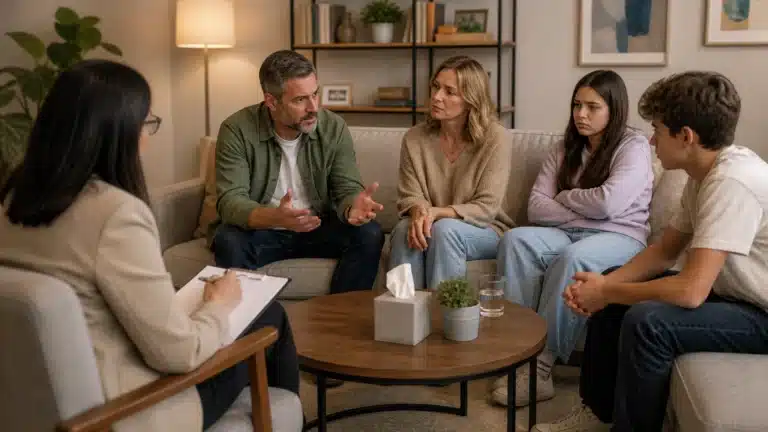


Addiction affects everyone in the home, not just the person using. Partners lose trust, children get pushed into adult roles, and about 1 in 8 kids live with a parent who has a substance use disorder. The effects of addiction on family reach friends, workplaces, and communities too. Santa Barbara Recovery Center treats addiction as a family condition, so recovery includes everyone it touched.
Key Takeaways
- Addiction affects everyone in the home, parents, partners, children, and siblings, with roughly 1 in 8 children living with an affected parent.
- Household dynamics shift from safe to stressful, marked by broken promises, eroded trust, rising tension, and children forced into adult roles.
- Loved ones commonly experience anger, fear, anxiety, sadness, shame, and guilt, often withdrawing emotionally and hiding the situation from others.
- Family members may unintentionally enable addiction by making excuses, giving money, covering duties, staying silent, or repeatedly rescuing the person.
- The impact ripples outward, straining friendships, workplaces, and wider systems like schools, healthcare, and social services.
Who is affected when someone struggles with addiction
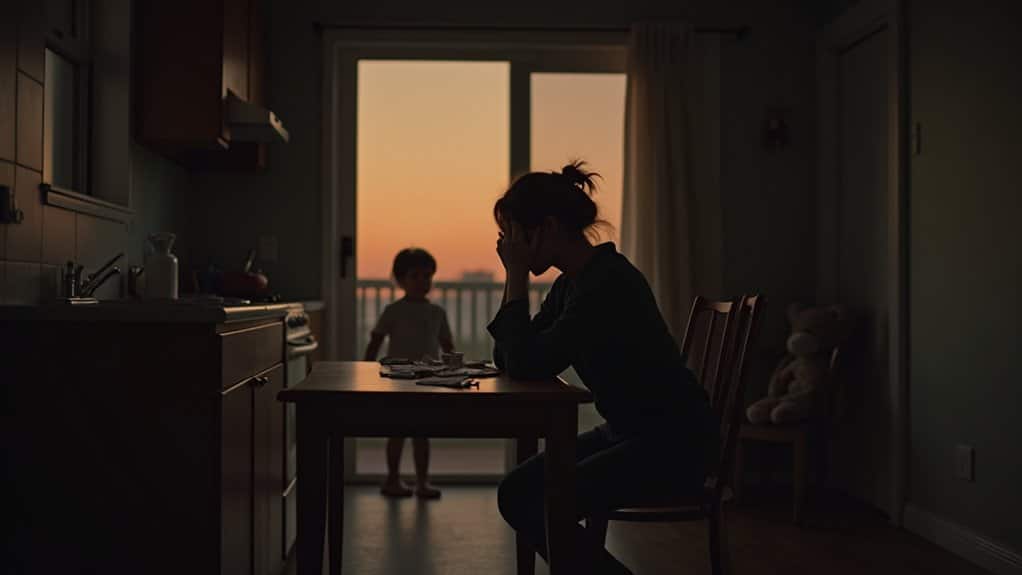
Addiction affects everyone who shares your home, your history, and your heart, not just the person struggling with a substance use disorder. If you’re a parent, partner, child, or sibling, you feel the weight too. Consider that roughly 1 in 8 children live with a parent who has a substance use disorder. That’s millions of young people carrying an invisible burden every day.
The effects of addiction on family reach spouses navigating broken trust, children forced into adult roles, and relatives grieving who someone used to be. You might notice financial strain, emotional distress, and fractured relationships spreading through the entire system. Understanding who’s affected helps you see that healing, like harm, involves the whole family, not just one person.
How does addiction affect the family and household dynamics
Addiction reshapes how the whole household functions, not just the individuals within a family. When you’re living with a loved one’s substance use disorder, you feel the atmosphere shift from safe to stressful, even hostile. How addiction affects the family often shows up in broken promises, neglected responsibilities, and rising tension that touches everyone.
You might notice trust issues taking root, replacing once-strong bonds with distrust and feelings of betrayal. To keep the peace, you may stop talking openly, keep your feelings inside, and hide the problem from others.
Roles can reverse, too, forcing children into parental duties when the adult can’t function. As conflict escalates, marriages strain and sometimes end in divorce, leaving the entire household managing instability together.
What emotions do loved ones commonly experience

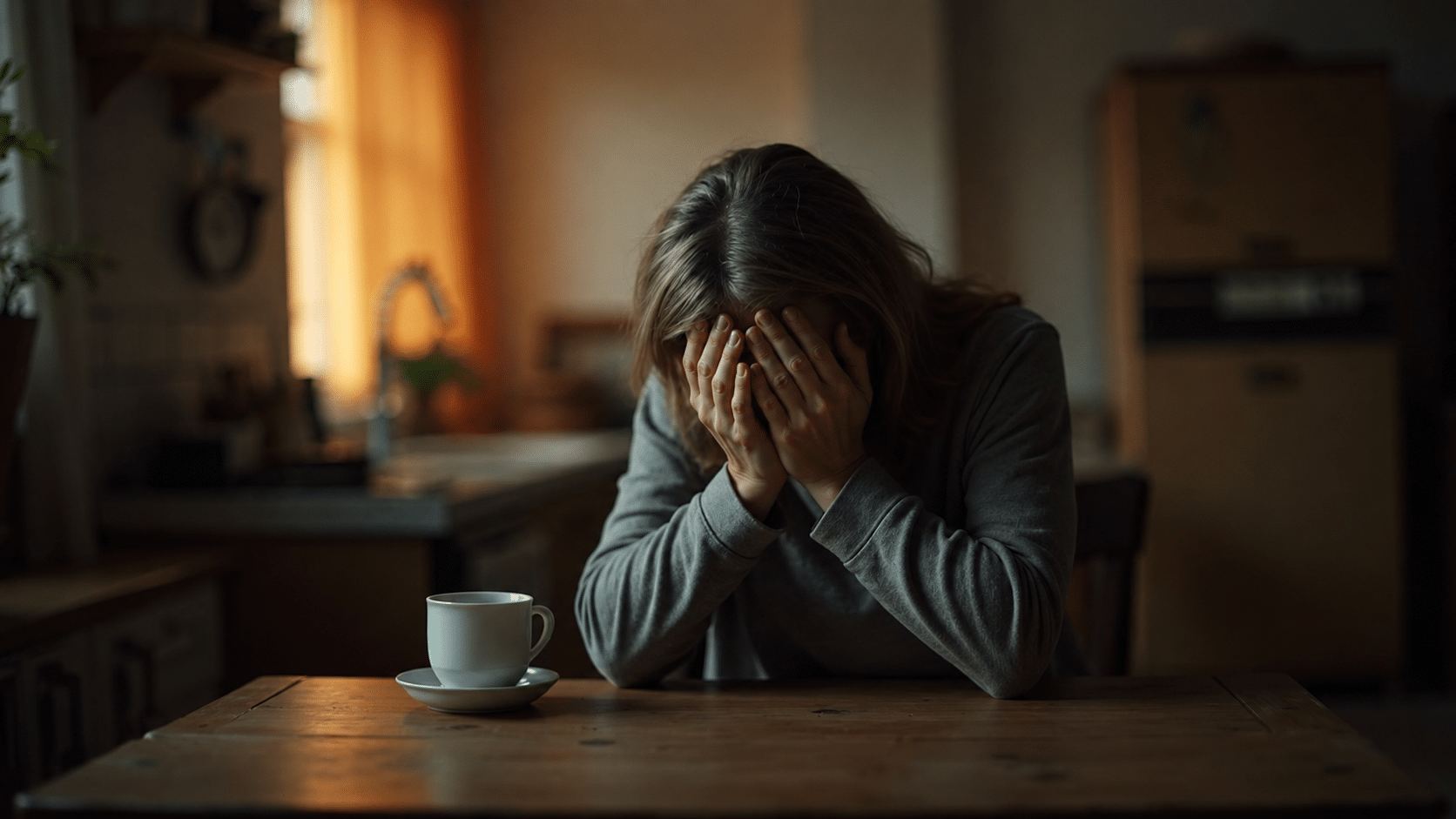
Loved ones commonly experience anger, frustration, anxiety, fear, and deep sadness when living with someone’s addiction. Shame, guilt, and embarrassment often surface too, especially when you’re hiding what’s happening to keep the peace at home. The impact of addiction on family isn’t just practical, it’s profoundly emotional, reshaping how you relate to the person you care about.
You might notice trust eroding, replaced by feelings of betrayal as promises break. Fear of abandonment can take hold, particularly for children. Within addiction and family systems, everyone tends to hold feelings inside, stop talking openly, and grow distant. Recognizing these emotions in yourself is the first step toward healing together.
How do family members unintentionally enable unhealthy patterns
Family members unintentionally enable unhealthy patterns when they cover missed shifts, pay off debts, or hide the truth to keep calm, shielding their loved one from consequences that might otherwise prompt change. Because you love someone, you naturally want to protect them from pain, and that instinct can quietly turn into enabling. Understanding how addiction affects families means recognizing these patterns as protective reactions, not weaknesses in your behavioral health. Unhealthy enabling behaviors in addiction can create a barrier to recovery, making it difficult for the individual to face their issues. By addressing these behaviors, family members can foster an environment that encourages accountability and growth.
| Protective Action | Hidden Intention | Unintended Effect |
|---|---|---|
| Making excuses | Preserve their image | Delays accountability |
| Giving money | Ease their stress | Funds continued use |
| Taking over duties | Keep home stable | Reinforces dependence |
| Staying silent | Avoid conflict | Normalizes secrecy |
| Rescuing repeatedly | Prevent harm | Removes motivation |
Seeing these cycles clearly, you can begin shifting toward healthier, supportive responses.
How does addiction ripple out to friends, coworkers, and community

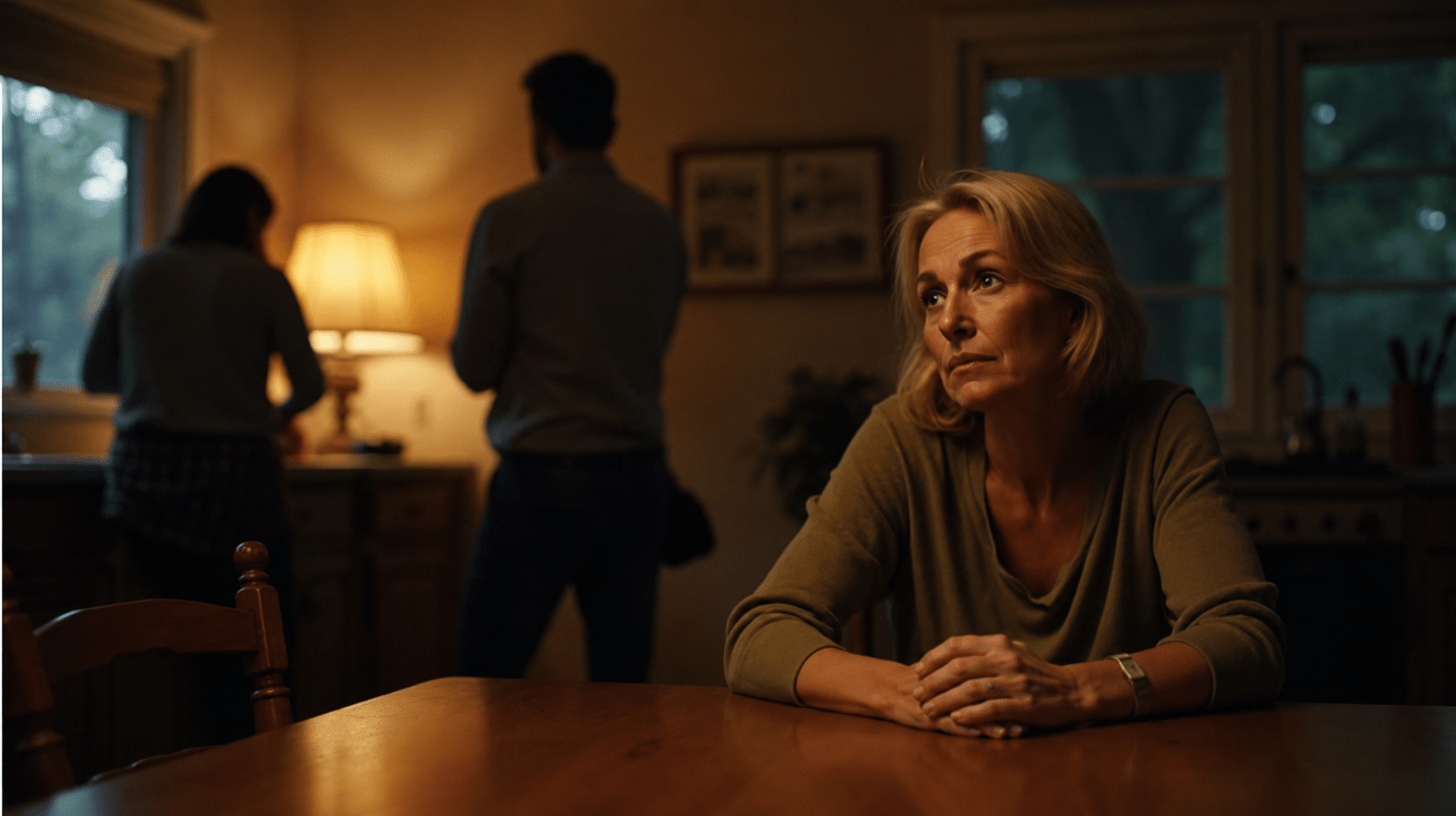
Addiction ripples out to friends, coworkers, and community by fading friendships, straining workplaces, and overwhelming public systems. Its effects don’t stay contained within the walls of your home. They reach friends who worry, coworkers who cover gaps, and a community that feels the strain. You might notice friendships fading as the same relationship conflict that strains your household spills into other connections. Broken promises and canceled plans erode trust, leaving friends unsure how to help. At work, coworkers often absorb missed deadlines or shifting responsibilities, quietly compensating for a struggling colleague.
Just as family systems shift to accommodate addiction, wider social networks bend too. Communities shoulder the burden through overwhelmed schools, healthcare systems, and social services. These interconnected effects reveal that addiction never harms just one person. It touches everyone within reach.
How does Santa Barbara Recovery Center support families
Santa Barbara Recovery Center supports families by treating addiction as a family condition, so they don’t stop at treating one person. They bring your relationships into the process, helping everyone heal the trust, communication, and roles that addiction disrupted.
Addiction is a family condition, so healing shouldn’t stop at one person, everyone deserves to recover the bonds it disrupted.
- Family therapy that rebuilds honest communication and repairs the bonds strained by broken promises and secrecy.
- Education that helps you understand the genetic and environmental risks shaping addiction recovery, so you can support without enabling.
- Guidance for restoring healthy roles, especially when children have been forced into caretaking.
You’re not on the outside here, you’re part of the recovery, and your healing matters too.
Heal as a Family at Santa Barbara Recovery Center
Addiction is never one person’s condition. It reshapes the whole household, from broken trust between partners to children pushed into adult roles. At Santa Barbara Recovery Center, we treat addiction as a family condition, which is why family therapy is built into recovery to rebuild honest communication, repair strained bonds, and restore healthy roles in the home. Because the emotional toll of living with addiction often brings anxiety, depression, and unresolved trauma of its own, our dual diagnosis treatment addresses those conditions alongside the substance use. You’re part of the recovery too, and your healing matters. Call (805) 429-1203 to talk with our team, or verify your insurance to see what your coverage includes.
Frequently Asked Questions
Can Children of Addicted Parents Avoid Developing Addiction Themselves?
Yes, you can. While genetics account for about 50% of addiction risk, they don’t determine your future. You’re not doomed by your family history. Understanding your heightened risk actually empowers you to make protective choices, building strong relationships, seeking support, and staying aware of triggers. Many children of addicted parents never develop substance use disorders themselves. Your environment, connections, and decisions matter just as much as the genes you’ve inherited.
How Long Does Family Recovery Typically Take After Treatment Begins?
There’s no fixed timeline, your family’s recovery unfolds gradually, often over months or years, because healing relationships takes longer than stopping the substance itself. You’ll rebuild trust slowly, as broken promises give way to consistent actions. Emotional wounds, anxiety, and shame don’t vanish overnight. Be patient with each other; some days feel like progress, others like setbacks. What matters is that you’re moving forward together, repairing bonds one honest moment at a time.
What Legal Options Exist for Protecting Children in Addicted Households?
You’ve got several options when a child’s safety is at risk. You can contact Children and Youth Services, who can intervene and, if needed, arrange temporary removal or protective placement. You might pursue legal guardianship or custody through family court, especially as a grandparent or relative. You can also seek protective orders if violence’s present. These steps aren’t about punishment, they’re about creating stability while the family works toward healing together.
Should Family Members Stage an Intervention for Their Loved One?
You can consider an intervention, but you’ll want to approach it thoughtfully. Since addiction affects your whole family system, bringing everyone together to express love and concern can open a door to help. Just remember, you’re all carrying anger, fear, and exhaustion, so it’s wise to involve a professional. They’ll guide the conversation, protect fragile relationships, and keep everyone safe. You’re not doing this alone, you’re rebuilding trust together, one honest step at a time.
Are Support Groups Available Specifically for Spouses of Addicts?
Yes, support groups exist specifically for spouses like you. Al-Anon is designed for partners and loved ones affected by someone’s drinking, while Nar-Anon serves those impacted by drug addiction. In these spaces, you’ll connect with others who understand the anger, fear, and exhaustion you’re carrying. You’re not alone in this. As you heal, you’ll strengthen your whole family system, learning healthier ways to relate and set boundaries that protect everyone.