






There’s no safe amount of alcohol you can drink while taking Klonopin. Even a single drink can trigger life-threatening respiratory depression when combined with this benzodiazepine. Because Klonopin has a half-life of up to 50 hours, the dangerous interaction window stays open long after your last dose. You’re risking blackouts, organ damage, overdose, and death — outcomes that aren’t theoretical. The alarming facts about this combination go much deeper than most people realize.
Why Klonopin and Alcohol Are a Deadly Combination
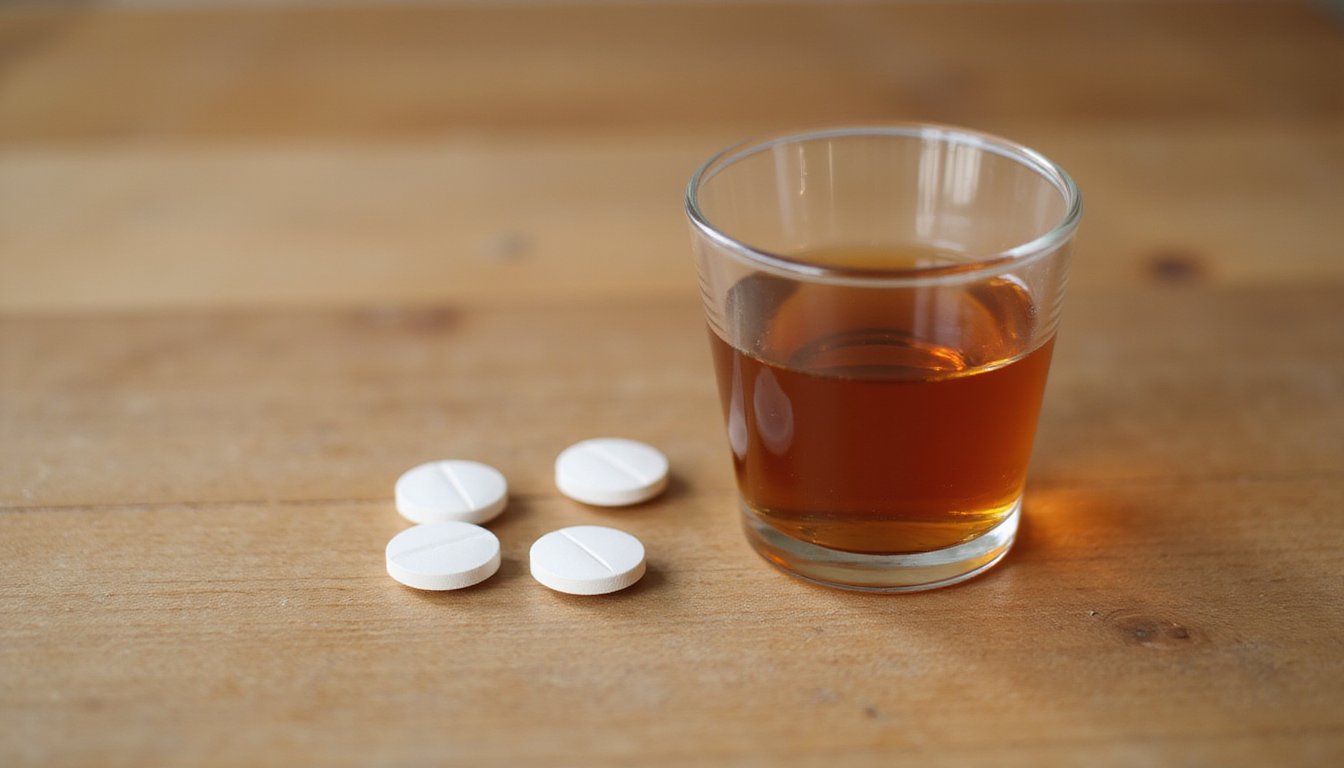
Because both Klonopin and alcohol are central nervous system depressants, combining them doesn’t just add their effects together — it multiplies them. This synergistic drug interaction amplifies GABA activity beyond what either substance produces alone, creating additive depressant effects that greatly impair coordination, cognition, and breathing.
The consequences escalate quickly. Respiratory depression can progress from slowed breathing to complete cessation, raising your coma risk and potential for fatal overdose. Even therapeutic doses of Klonopin paired with modest alcohol intake substantially increase overdose risk — SAMHSA data links 32% of benzodiazepine-related ER visits to serious outcomes or death.
Repeated combined use also accelerates benzodiazepine dependence and alcohol use disorder simultaneously, compounding long-term neurological and physiological damage. Long-term combined use further heightens the risk of organ damage and worsening mental health conditions that may become increasingly difficult to treat. There’s no safe threshold — the risk begins with the first drink. The effects of klonopin on mental health can be particularly severe, leading to increased anxiety and depressive symptoms over time.
Is Any Amount of Alcohol Safe With Klonopin?
The pharmacokinetics of clonazepam complicate this further. With a half-life reaching 50 hours, Klonopin remains pharmacologically active long after you feel its effects. Even minimal alcohol consumption during this window triggers excessive sedation and respiratory suppression.
Every medication safety warning from regulatory authorities confirms there’s no dose of alcohol considered acceptable alongside Klonopin. Any combination raises your overdose risk substantially, making complete avoidance the only clinically defensible position. Alcohol can also interfere with how the body metabolizes Klonopin, leading to higher plasma levels that amplify these dangers even further. Klonopin and alcohol interaction risks can lead to severe consequences, including heightened sedation and impaired motor skills. It is crucial to understand that even small amounts of alcohol can magnify these effects, putting individuals in danger.
Short-Term Effects of Mixing Klonopin and Alcohol

When you mix Klonopin and alcohol, you’ll likely notice physical impairment within the first hour, including pronounced drowsiness, slurred speech, blurred vision, and loss of coordination. Cognitively, you’re facing compounded suppression of brain activity that disrupts judgment, concentration, and memory, sometimes producing blackouts even at low doses. These combined deficits sharply elevate your risk of falls, accidents, and injuries during routine daily activities. Both substances act as central nervous system depressants, meaning their combined effect can suppress heart rate and breathing to potentially life-threatening levels even in the short term.
Immediate Physical Impairment Effects
Mixing Klonopin and alcohol triggers immediate and dangerous physical impairment that can emerge within the first hour of combined use. When clonazepam and ethanol interact, their combined CNS depression produces effects far exceeding either substance alone. You’ll likely experience profound drowsiness, impaired coordination, and slowed reaction time almost immediately. Klonopin’s role in alcohol withdrawal can be significant, as it may help reduce withdrawal symptoms in some individuals.
The alcohol and benzodiazepine interaction directly suppresses your motor control, causing stumbling, balance loss, and reduced precision. Slurred speech and blurred vision follow as depressant effects intensify across your nervous system. Benzodiazepines already compromise neurological function at therapeutic doses; adding ethanol dramatically amplifies these deficits.
Your breathing may slow dangerously, your reflexes become unreliable, and routine tasks carry serious injury risk. These aren’t mild inconveniences—they’re clinically significant warning signs requiring immediate attention.
Cognitive And Mental Disruption
Beyond physical impairment, the cognitive and mental disruption from combining Klonopin and alcohol can be equally dangerous. Both substances amplify GABA activity, producing CNS impairment that severely degrades your mental clarity. You’ll experience confusion, dizziness, and pronounced psychomotor impairment that exceeds what either substance causes alone.
Your judgment becomes critically compromised. Impaired judgment leads to poor decision-making, reduced impulse control, and dangerous risk assessment failures. Executive function deteriorates rapidly, making even simple tasks difficult to complete.
Memory impairment presents another serious concern. Combined use triggers anterograde amnesia, causing blackouts where you can’t consolidate new memories despite appearing awake. Severe cases escalate to loss of consciousness. These aren’t minor inconveniences—they’re measurable neurological consequences requiring immediate medical attention if they occur.
Accident And Injury Risks
The cognitive disruption described above doesn’t stay contained to mental processes—it translates directly into physical danger. The pharmacodynamic interaction between clonazepam and alcohol amplifies gamma aminobutyric acid activity, stripping away your motor control and reaction capacity simultaneously.
| Risk Category | Combined Effect | Consequence |
|---|---|---|
| Motor coordination | Profound impairment | Falls, stumbling, injuries |
| Reaction time | Severely delayed | Vehicle accidents, hazards |
| Decision-making | Critically compromised | Dangerous behavioral choices |
This drug alcohol interaction escalates substance misuse risk considerably. You may not recognize your impairment level before an emergency occurs. The benzodiazepine alcohol interaction also accelerates physical dependence, complicating eventual benzodiazepine withdrawal. Repeated combined use increases the likelihood of substance use disorder, making early avoidance the only clinically defensible choice.
How Quickly Klonopin and Alcohol Can Cause a Fatal Overdose
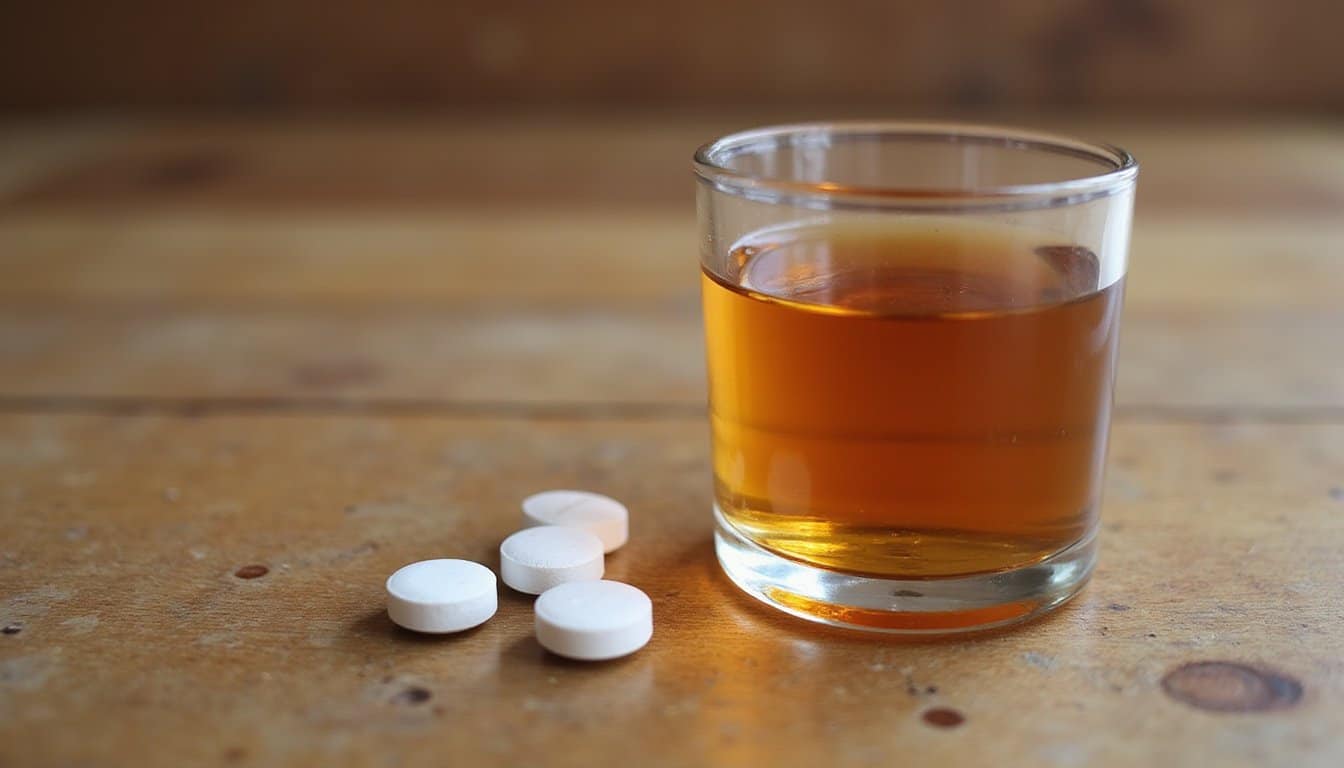
When Klonopin and alcohol enter your system together, the timeline to a fatal overdose can be alarmingly short. Both substances amplify inhibitory neurotransmitter activity, accelerating respiratory depression within the first hour. Overdose symptom progression moves fast: initial drowsiness and confusion escalate to slurred speech, ataxia, then coma and cardiac arrest.
Onset and half-life factors worsen the danger. Klonopin peaks within 1–4 hours and persists up to 300 hours, while alcohol’s cross-tolerance effects delay clearance, potentiating toxicity rapidly. Interaction risks and statistics confirm that 44% of benzodiazepine-alcohol ER visits result in serious outcomes or death.
The emergency response timeline is unforgiving. Oxygen saturation drops may require immediate intubation. Without a 911 call, respiratory arrest can become irreversible. Don’t wait for symptoms to worsen.
Organ Damage, Addiction, and Cognitive Decline From Long-Term Use
Surviving an acute overdose does not mean escaping long-term harm. Combining Klonopin and alcohol chronically raises your organ damage risk drastically. Both substances strain liver metabolism, increasing drug toxicity risk and accelerating hepatic fibrosis, cirrhosis, and dysfunction over time. Your kidneys and gastrointestinal lining sustain damage as well.
Addiction risks compound quickly. Roughly 30% of people with alcohol use disorder also misuse benzodiazepines, making dual dependence a realistic outcome. Your brain chemistry deteriorates with continued co-use, producing measurable cognitive decline, including memory loss, impaired judgment, and attention deficits.
Mental health worsening follows, with rebound anxiety, depression, and emotional instability emerging over time. Metabolic and systemic effects, including arrhythmia, peripheral neuropathy, and altered lipid profiles, reflect how deeply this medication interaction warning extends beyond a single dose.
Signs You Need Help for Klonopin and Alcohol Misuse
Recognizing the signs that Klonopin and alcohol use have crossed into misuse can mean the difference between early intervention and a life-threatening crisis. If you’re experiencing persistent drowsiness, slurred speech, memory blackouts, or impaired coordination, these aren’t minor side effects—they’re clinical indicators of dangerous polydrug use. Tolerance development may drive you toward higher doses or more frequent alcohol consumption, compounding medication risk factors inherent to prescription sedatives. Psychologically, worsening anxiety despite ongoing panic disorder treatment, uncontrollable cravings, or suicidal thoughts signal serious concern. Behavioral red flags include doctor-shopping, concealing use, or combining substances despite known medication contraindications documented in clinical pharmacology literature on clonazepam. Patient safety guidelines are clear: if your functioning is declining across personal, professional, or social domains, seek immediate professional evaluation.
Make the Call That Protects Your Future
Mixing Klonopin and alcohol carries serious risks, and getting clarity about safe use can change everything. At Santa Barbara Recovery in CA, our skilled team offers reliable Klonopin Addiction Treatment designed to support every step of your healing. Call +1 (805) 429-1203 today and start building a stronger, healthier tomorrow.
Frequently Asked Questions
How Long After Stopping Klonopin Is Alcohol Considered Completely Safe?
After stopping Klonopin, you’ll need to wait at least 4 to 14 days before alcohol is considered reasonably safe, depending on your metabolism, dosage history, and liver function. Since Klonopin’s half-life ranges from 18 to 60 hours, full elimination can take up to two weeks. You shouldn’t assume safety based on how you feel, as the drug remains bioactive after the effects subside. Always consult your doctor before drinking.
Can Klonopin and Alcohol Interaction Be Detected in a Drug Test?
Drug tests can’t directly detect the interaction between Klonopin and alcohol, but they can detect each substance separately. Your urine may show 7-amino-clonazepam metabolites for up to 30 days post-dose, while alcohol clears within hours. Standard screens often miss clonazepam entirely, requiring confirmatory GC-MS testing. Blood tests can simultaneously identify both substances within one to two hours of ingestion, revealing concurrent use to clinicians or toxicologists.
Does Food Consumption Reduce the Dangerous Effects of This Combination?
No, food doesn’t reduce the dangerous effects of combining Klonopin and alcohol. You’re still at serious risk of respiratory depression, extreme sedation, and cognitive impairment regardless of what you’ve eaten. Food may slow alcohol absorption slightly, but it can’t counteract the synergistic CNS depression both substances create together. You should completely avoid alcohol while Klonopin remains in your system, and consult your healthcare provider for safer alternatives.
Are Certain People Genetically More Vulnerable to This Drug Interaction?
Yes, you’re genetically more vulnerable if you carry certain variants. If you have GABRA6 polymorphisms, you’ll experience amplified CNS depression when combining clonazepam and alcohol, since both substances enhance the same GABA pathways. If your ALDH2 gene is impaired, acetaldehyde accumulates quickly, intensifying toxic effects. SLC6A4 variations increase your stress reactivity and alcohol sensitivity further. These genetic differences mean you can’t assume standard warnings apply equally to everyone, including you.
What Medications Can Safely Replace Klonopin for Anxiety Management?
Several medications can safely replace Klonopin for your anxiety management. SSRIs like Zoloft or Lexapro are first-line options without dependence risks. SNRIs such as Effexor work well for anxiety and pain. Buspirone treats generalized anxiety without habit-forming potential. Beta-blockers like propranolol manage physical symptoms effectively. Your clinician might also consider pregabalin or hydroxyzine. Always consult your healthcare provider before switching, as each option carries individual benefits and limitations.