






You can tell someone is using fentanyl by watching for pinpoint pupils, extreme drowsiness, slowed breathing, and cold or bluish skin. Behavioral signs like secrecy, withdrawal, and declining performance often appear first. Because fentanyl’s potency causes overdose within minutes, spotting these signs early saves lives. Santa Barbara Recovery Center helps families turn what they notice into a clear treatment plan.
Key Takeaways
- Watch for physical signs like pinpoint pupils, extreme drowsiness, slowed breathing, and cold, clammy, or bluish-tinged skin.
- Notice behavioral changes such as social withdrawal, secretive actions, declining performance, and fixation on obtaining the drug.
- Observe cognitive and emotional shifts including confusion, poor judgment, memory problems, and mood swings between euphoria and apathy.
- Recognize that behavioral changes often appear before physical symptoms become obvious, offering earlier warning signs.
- Act quickly on warning signs, since fentanyl’s potency causes rapid respiratory depression and life-threatening overdose.
How can you tell if someone is using fentanyl

You can tell someone is using fentanyl by watching for constricted, “pinpoint” pupils, one of the most reliable fentanyl use signs. Watch for drowsiness and an inability to stay awake, along with slowed, weak, or absent breathing that indicates respiratory depression. You might see cold, clammy, or discolored skin, including blue lips or nails, signaling oxygen deprivation. Nausea, vomiting, diarrhea, and abdominal cramping can also occur. The consequences of fentanyl misuse can be severe, often leading to life-threatening situations. Understanding the signs of overdose is crucial for prompt intervention and can save lives.
Beyond these physical markers, opioid intoxication often shows through confusion, disorientation, and difficulty focusing. You may observe impaired memory, poor judgment, and mood swings ranging from euphoria to apathy. Behaviorally, they might withdraw socially, become secretive, or let work and school performance decline. Recognizing these combined signs helps you respond appropriately and quickly.
What behavioral signs of fentanyl use might you notice
Someone on fentanyl often shows social withdrawal and increasing isolation from family or friends. Declining performance at work or school frequently signals a problem, as does secretive behavior like hiding personal items or growing evasiveness. Watch for a fixation on securing the drug that dominates daily activities and priorities, sometimes leading to visiting multiple doctors or forging prescriptions. Behavioral shifts often surface before physical symptoms become obvious, so paying attention to changes in daily patterns can help you spot fentanyl use early. These behavioral changes reflect how fentanyl reshapes decision-making and reorders someone’s routine. By tracking shifts in habits, relationships, and responsibilities, you can identify concerning patterns and respond with support rather than assumption. Signs and risks of fentanyl abuse can worsen quickly. Mood swings and changes in social circles may also appear, making early recognition and intervention important for recovery.
What physical signs and symptoms can appear

Physical signs and symptoms include respiratory depression, such as slowed, weak, or absent breathing. This symptom is particularly dangerous and can signal a medical emergency. Cold, clammy, or discolored skin, especially blue-tinged lips or fingernails, points to oxygen deprivation.
Gastrointestinal symptoms frequently accompany use, so you may observe nausea, vomiting, diarrhea, or abdominal cramping. These same symptoms can also emerge during withdrawal, making context important when you’re reviewing what you’re seeing.
Why is fentanyl sedation more dangerous than other opioids
Fentanyl sedation is more dangerous than other opioids because fentanyl is notably more potent, so its sedative effects escalate faster and hit harder, leaving you with a narrower window to recognize a problem and respond. The drowsiness you might dismiss as ordinary tiredness can quickly progress to unresponsiveness, because respiratory depression sets in more rapidly than with weaker opioids. This compressed timeline raises the overdose risk meaningfully, since breathing can slow or stop before anyone intervenes. The fentanyl crisis in America has prompted major public health discussions and policy changes. As overdose rates rise, combating it requires a multifaceted approach addressing both immediate risks and the root causes of opioid misuse.
| Sedation Factor | Why It’s More Dangerous |
|---|---|
| Higher potency | Smaller amounts trigger severe effects |
| Faster onset | Less time to notice and act |
| Rapid respiratory depression | Breathing stops sooner |
Recognizing these differences helps you respond faster, potentially administering naloxone and seeking emergency care before sedation becomes fatal.
Why does early recognition matter so much

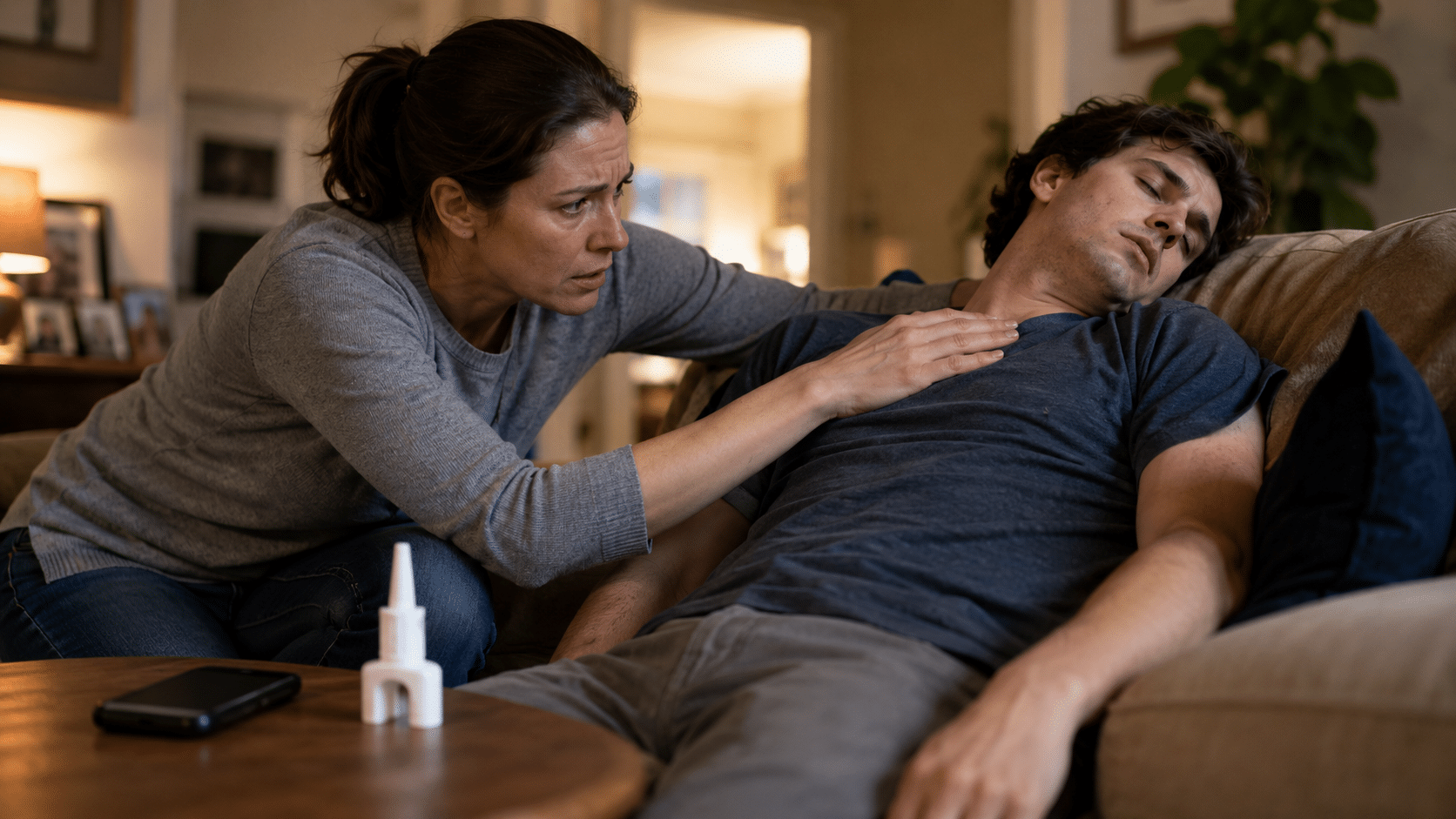
Early recognition matters because it buys you critical time to act before sedation deepens into a fatal overdose. Recognizing the signs of fentanyl use, constricted pupils, unusual drowsiness, or slowed breathing, lets you respond while the person’s still reachable. Fentanyl’s potency means the window between sedation and respiratory failure can close within minutes, so early identification isn’t optional. When you notice behavioral shifts, secretive habits, or declining function, you can prepare naloxone and seek medical support before a crisis unfolds.
Early recognition also opens the door to addiction intervention, connecting the person with treatment before dependence entrenches further. The sooner you act, the more options remain available, medical, psychological, and social. Delayed recognition narrows those options and raises the risk of an irreversible outcome.
How does Santa Barbara Recovery Center help families take the next step
Santa Barbara Recovery Center helps families take the next step by translating your observations into a concrete treatment plan and guiding you from recognition to action. Our clinical team helps you interpret the physical, behavioral, or cognitive signs described earlier accurately and determine next steps. We conduct thorough assessments to evaluate the severity of opioid addiction and identify co-occurring conditions like anxiety or depression that influence treatment.
You’ll receive guidance on evidence-based interventions, including medically supervised detox, naloxone access, and structured therapy. We prioritize family support, offering education about withdrawal timelines, overdose response, and communication strategies that reduce conflict and shame.
Throughout the process, you’re not guiding this alone. We connect you with resources, coordinate care, and help your loved one move toward sustained recovery with dignity and clinical precision.
Turn What You’re Noticing Into a Plan With Santa Barbara Recovery Center
Spotting the signs is the hard first step. Knowing what to do next is where families often get stuck. At Santa Barbara Recovery Center, our clinical team helps you translate what you’ve observed into a concrete plan, starting with a thorough assessment that gauges the severity of opioid addiction and screens for co-occurring conditions like anxiety or depression through our dual diagnosis treatment. We guide you toward the right next steps, including medically supervised detox and naloxone access, and we bring you into the process with family therapy that covers withdrawal timelines, overdose response, and how to talk without pushing your loved one further away. You’re not doing this alone. Call (805) 429-1203 to talk with our team, or verify your insurance to see what your coverage includes.
Frequently Asked Questions
Can Fentanyl Be Absorbed Through Skin or Accidental Contact?
Yes, but incidental skin contact carries minimal risk. Pharmaceutical fentanyl patches are designed for transdermal absorption, so prolonged skin exposure can deliver a dose. However, briefly touching powder or residue won’t typically cause overdose, since absorption through intact skin is slow and inefficient. You’re at greater risk from inhaling airborne particles or accidental ingestion. If you’ve had contact, wash the area with soap and water, avoiding hand sanitizer.
How Long Does Fentanyl Stay in a Person’s System?
You’ll find fentanyl stays in someone’s system for varying lengths depending on the test. Urine tests can detect it for 24 to 72 hours after use, while blood tests typically show it for up to 12 hours. Saliva tests detect it for 1 to 3 days. Hair follicle tests reveal use for up to 90 days. Factors like metabolism, dosage, frequency, and overall health affect these detection windows too.
Where Do People Typically Obtain Illicit Fentanyl?
You’ll find illicit fentanyl typically comes from street drug markets, where it’s often mixed into or sold as heroin, cocaine, or methamphetamine. Dealers frequently press it into counterfeit pills that mimic legitimate prescriptions like oxycodone or Xanax. Online marketplaces, including dark web platforms, also distribute it. Because it’s often hidden in other substances, many people don’t know they’re consuming it, which greatly increases their overdose risk without any warning.
Is It Possible to Overdose on Fentanyl the First Time?
Yes, you can overdose the very first time you use fentanyl. Because it’s extremely potent, even a small amount can cause respiratory depression, stopping your breathing. You won’t build tolerance beforehand, so your body isn’t prepared for its effects. Counterfeit pills or illicit drugs often contain hidden fentanyl in unpredictable doses, raising your risk. If you notice slowed breathing, pinpoint pupils, or unconsciousness, administer naloxone and call for emergency help immediately.
What Should I Do if I Find Fentanyl in Someone’s Belongings?
If you find fentanyl, don’t touch it directly and keep it away from children or pets. You’ll want to secure naloxone (Narcan) and learn how to use it, since overdose risk is high. Consider approaching the person calmly and without judgment when they’re sober. You can connect them with addiction resources or a healthcare provider. If you suspect an overdose at any point, call emergency services immediately and administer naloxone.