






Fentanyl kills quickly because of its potency. It is 50 to 100 times stronger than morphine, so a dose as small as 2 milligrams can stop your breathing within minutes by shutting down the brain receptors that control respiration. Santa Barbara Recovery Center treats fentanyl addiction at its root, pairing medically supervised detox with naloxone education and overdose prevention.
Key Takeaways
- Fentanyl is 50 to 100 times stronger than morphine, so tiny amounts as small as 2 milligrams can be lethal.
- It rapidly binds to brain receptors controlling breathing, causing respiratory depression that can slow or stop breathing entirely.
- Oxygen deprivation to the brain and organs can occur within minutes, triggering respiratory failure before help arrives.
- Mixing fentanyl with alcohol or benzodiazepines amplifies central nervous system depression, creating synergistic effects and rapid death.
- Fentanyl is colorless, odorless, and tasteless, so users often unknowingly consume lethal, unmeasured doses hidden in counterfeit pills.
Why do fentanyl overdoses happen so fast
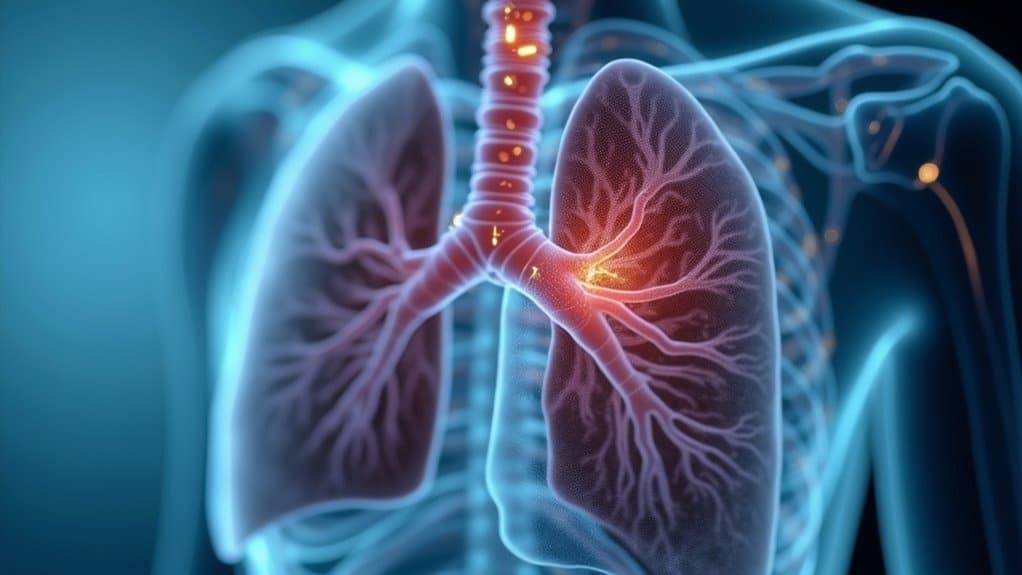
How does an overdose kill so quickly? Fentanyl potency drives the answer. This drug is 50 to 100 times stronger than morphine, so a lethal dose can be as small as 2 milligrams, roughly a few grains of salt. When you ingest it orally, severe symptoms can appear in less than 60 seconds. Smoking, sniffing, or injecting it triggers an even faster onset.
The mechanism is respiratory depression. Fentanyl binds to brain receptors that control breathing, slowing or halting it entirely. Your brain and organs get deprived of oxygen within minutes, and you can stop breathing before help arrives. Because about half of illicit pills contain a potentially lethal amount, even a small, unmeasured dose can kill you fast.
How does fentanyl suppress breathing during an overdose
Fentanyl suppresses breathing during an overdose by binding to receptors in your brain that control your breathing, slowing or halting each breath. As respiration fails, oxygen no longer reaches your brain and organs, triggering the cascade that defines an opioid overdose. You can stop breathing within minutes, and the signs escalate quickly:
- Blue lips and fingernails (cyanosis) as oxygen levels plummet
- Choking or gurgling sounds signaling airway obstruction
- Pinpoint pupils and loss of consciousness from CNS suppression
Because fentanyl’s potency drives this process at tiny doses, your window for intervention narrows sharply, and delayed response means breathing halts before help arrives.
Why is mixing fentanyl with other drugs so dangerous
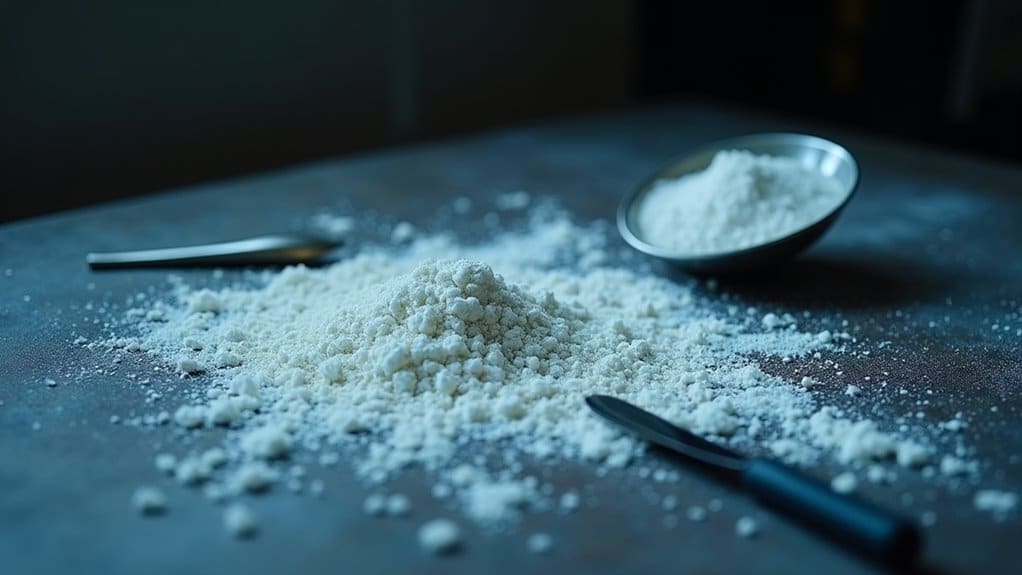
Mixing fentanyl with alcohol, benzodiazepines, or stimulants dramatically increases your overdose risk. These combinations produce synergistic effects, amplifying respiratory depression beyond what any single substance causes. Polydrug use complicates treatment, extends recovery time, and accounts for many fatal cases in recent data. The hidden dangers of snorting fentanyl are often underestimated. Users may believe they can control the dosage, but the potency of fentanyl can lead to rapid and life-threatening consequences.
| Substance | Interaction | Danger |
|---|---|---|
| Alcohol | Compounds CNS depression | Halted breathing |
| Benzodiazepines | Amplifies sedation | Fatal respiratory failure |
| Stimulants | Masks toxicity signs | Delayed intervention |
| Multiple drugs | Complex outcomes | Extended recovery |
| Combined depressants | Synergistic effect | Rapid death |
Combining depressants makes naloxone-based overdose reversal harder. Because fentanyl is so potent, you may need multiple naloxone doses, and other substances won’t respond to it at all. Get emergency help immediately. Delays cost lives.
Why do people often not know fentanyl is present
People often don’t know fentanyl is present because you can’t detect it by sight, smell, or taste. It’s colorless, odorless, and tasteless. Dealers press it into counterfeit pills designed to mimic legitimate medications like oxycodone or Xanax, and about half of these laced pills contain a potentially lethal dose. Because a fatal amount can be as small as 2 milligrams, a few grains of salt, you have no way to gauge what you’re actually taking. Why people turn to fentanyl can often go unnoticed until it’s too late. Increased tolerance and physical dependence are indicators that should not be ignored. Understanding fentanyl addiction trends is crucial for effectively managing public health responses. Awareness of these trends can help communities implement preventative measures and support for those affected.
- Fake pills stamped to look identical to prescription medications
- Powder cut into other drugs, hidden in plain sight
- A dose the size of salt grains, invisible in a mixture
This uncertainty delays emergency response, and symptoms can turn fatal within minutes.
How does naloxone reverse an overdose and why does timing matter

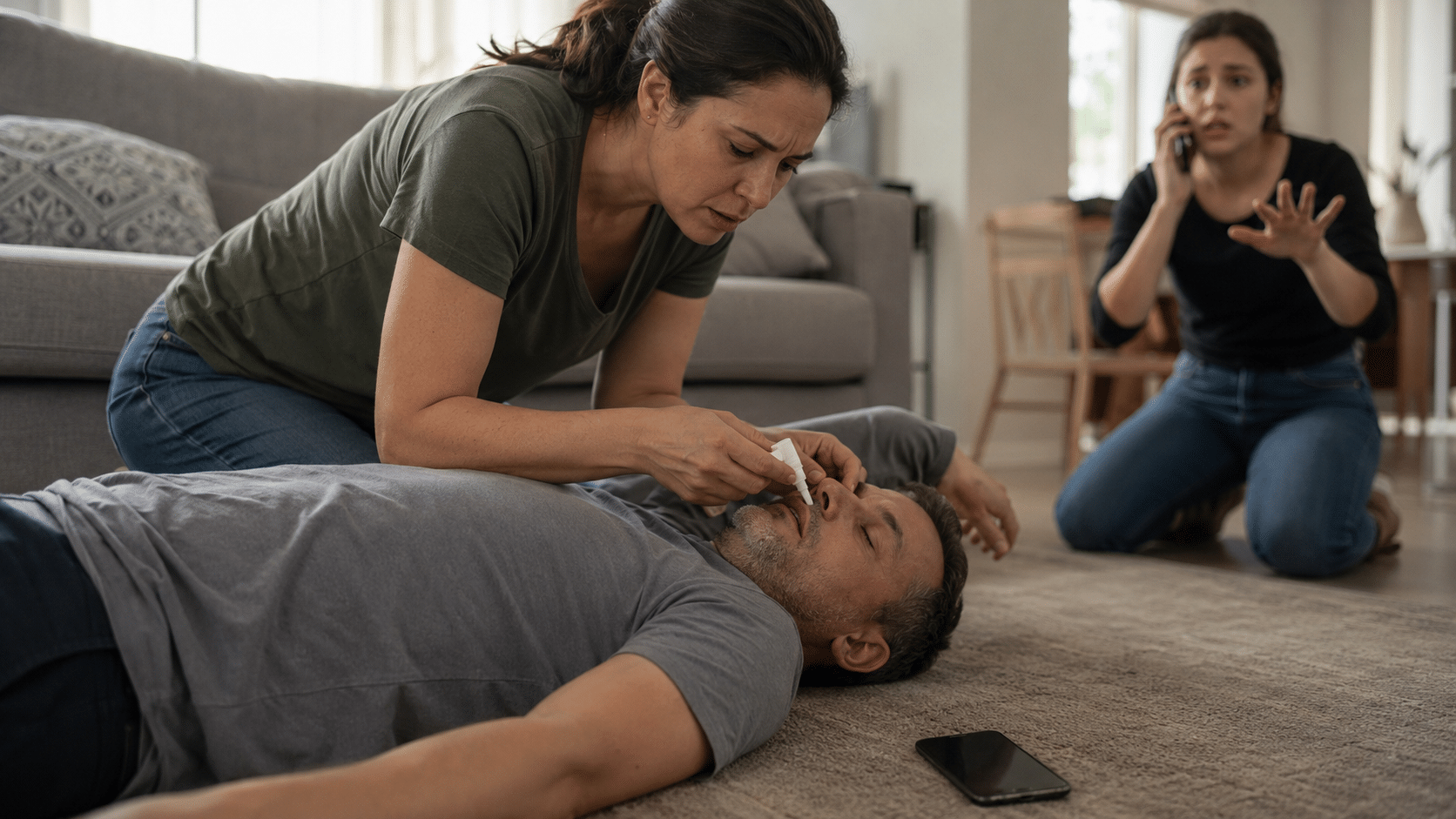
Naloxone reverses an overdose by knocking fentanyl off the brain’s opioid receptors, reversing the respiratory depression that’s shutting down your breathing. Once it binds, oxygen can reach your brain and organs again, restoring normal breathing within minutes. But timing matters. Because fentanyl’s so potent, you may need multiple doses to reverse a single overdose, and naloxone’s effects are temporary, shorter than fentanyl’s. That means breathing can stop again after the drug wears off, so you still need immediate medical attention. Every second counts: breathing halts within minutes, and delayed response cuts survival chances sharply. Carrying naloxone is a core harm reduction strategy and a critical tool for overdose prevention. Administer it fast, call emergency services, and stay ready to give another dose if breathing doesn’t return.
How does Santa Barbara Recovery Center support overdose prevention and recovery
Santa Barbara Recovery Center supports overdose prevention and recovery by addressing substance use disorder at its root, not just the acute overdose. You’ll access evidence-based interventions designed to interrupt the cycle driving the opioid crisis and reduce your risk of repeat exposure to fentanyl’s lethal potency. Carrying naloxone saves lives in the moment, but lasting recovery demands more than emergency response.
Recovery means addressing substance use at its root—not just surviving the overdose, but breaking the cycle that fuels it.
- Medically supervised detox that stabilizes you as fentanyl clears your system
- Individualized therapy targeting the behavioral patterns fueling continued use
- Ongoing relapse-prevention planning, including naloxone access and overdose education
You won’t just survive one overdose, you’ll build the clinical support structure needed to stay alive. Given how quickly fentanyl kills, sustained treatment is your strongest defense against the next fatal dose.
Get Fentanyl Treatment at Santa Barbara Recovery Center
Fentanyl kills fast, which is why surviving one overdose isn’t the same as being safe from the next. At Santa Barbara Recovery Center, our fentanyl addiction treatment addresses substance use at its root through medically supervised detox that stabilizes you as fentanyl clears your system, followed by therapy that targets the patterns driving continued use. Because fentanyl so often turns up mixed into opioids, benzodiazepines, and counterfeit pills, our team screens carefully and builds ongoing relapse prevention into your plan, including naloxone access and overdose education. Call (805) 429-1203 to talk with our team, or verify your insurance to see what your coverage includes.
Frequently Asked Questions
Can You Build a Tolerance to Fentanyl Over Time?
Yes, you can build tolerance to fentanyl over time, but this doesn’t protect you from overdose. Because fentanyl’s 50 to 100 times stronger than morphine, even small dosing errors turn lethal fast. Tolerance shifts unpredictably, and you can’t gauge illicit potency—about half of fentanyl-laced pills contain a deadly amount. If you’ve stopped using, your tolerance drops sharply, raising your risk. Don’t assume tolerance means safety. Seek help immediately.
How Long Does Fentanyl Stay in Your System?
Fentanyl typically stays detectable in your system for varying durations depending on the test. You’ll test positive in urine for 24 to 72 hours after use, while blood detection windows run shorter, around 12 hours. Saliva can reveal fentanyl for one to three days. Hair follicle testing detects it far longer, up to 90 days. Remember, individual factors like metabolism, dose, and frequency greatly affect these timeframes.
Is Fentanyl Exposure Through Skin Contact Dangerous?
Casual skin contact with fentanyl isn’t likely to cause overdose, contrary to common fears. Your skin doesn’t rapidly absorb powdered fentanyl, so incidental touching won’t trigger the rapid respiratory depression seen with ingestion, injection, or inhalation. Still, you shouldn’t take chances—wash exposed skin with water, avoid touching your face, and don’t inhale airborne particles. If you experience symptoms like slowed breathing or drowsiness, seek immediate medical attention and consider naloxone.
What Legal Medical Uses Does Fentanyl Have?
Fentanyl’s a legitimate prescription medication when used under medical supervision. You’ll find it managing severe pain, particularly for surgical procedures, anesthesia, and cancer-related pain that doesn’t respond to weaker opioids. Doctors administer it through patches, lozenges, injections, or IV drips in controlled clinical settings. Because it’s 50 to 100 times stronger than morphine, you’re getting precise, carefully calculated doses—unlike illicit versions, where even nominal amounts pose heightened risks for acute toxicity.
How Can You Test Pills for Fentanyl Contamination?
You can test pills using fentanyl test strips, which detect fentanyl’s presence in a dissolved sample. Crush a portion of the pill, dissolve it in water, then dip the strip and read results. But don’t rely on this completely—about half of fentanyl-laced pills contain lethal amounts, and strips can’t measure concentration or catch every batch. Even a negative result isn’t safe. Never use alone, and keep naloxone ready.