






People use fentanyl for reasons often beyond their control. Many take it unknowingly in counterfeit pills or drugs laced with it. Others develop dependence after opioid or heroin use, chase the intense dopamine surge it triggers, or use it to numb chronic pain and trauma. Santa Barbara Recovery Center treats fentanyl addiction as a brain condition, not a failure of willpower.
Key Takeaways
- Many people unknowingly ingest fentanyl hidden in counterfeit pills or street drugs like heroin, cocaine, or methamphetamine.
- Fentanyl triggers a powerful dopamine surge, creating intense euphoria that far exceeds natural rewards and reinforces continued use.
- Tolerance and dependence develop rapidly due to fentanyl’s potency, driving escalation from prescription opioids or heroin to stronger use.
- People often continue using to avoid painful withdrawal symptoms like muscle pain, anxiety, nausea, and cravings, not by choice alone.
- Those with chronic pain or unresolved trauma may use fentanyl to numb physical suffering or escape overwhelming emotional distress.
Why do people use fentanyl despite the danger


People use fentanyl despite the danger for reasons that are often complex and, in many cases, beyond their control. Many never intended to. You might encounter it unknowingly in counterfeit pills or mixed with heroin, cocaine, or methamphetamine, without any awareness of its presence or dosage. For others, fentanyl addiction develops after prescription opioid or heroin use, as tolerance builds and stronger effects become necessary. Its extreme potency, 50 to 100 times stronger than morphine, produces intense euphoria that activates your brain’s reward systems, reinforcing continued use. After addiction takes hold, changes in brain activity drive use despite the harmful, life-threatening consequences you face. Fentanyl’s impact on American health continues to escalate as the opioid crisis deepens. Many communities are grappling with the ramifications, including increased overdose rates and strained healthcare resources.
How does fentanyl affect the brain’s reward system
Fentanyl affects the brain’s reward system by binding to opioid receptors concentrated in regions that control emotions and reward. This binding triggers a surge in the dopamine reward system, flooding your brain with far more of this chemical than natural rewards like food or connection ever produce. Because fentanyl is 50 to 100 times stronger than morphine, that surge feels overwhelmingly intense.
Your brain interprets this flood as something worth repeating, reinforcing continued use. Over time, these reward pathways adapt, and you need more of the drug to feel the same effect, a process that drives tolerance and, eventually, opioid use disorder.
Understanding this isn’t about assigning blame. It’s recognizing that fentanyl hijacks the very systems designed to keep you alive, making continued use feel biologically necessary. Recognizing fentanyl abuse signs can be crucial for early intervention. It often manifests through behavioral changes and physical symptoms that can be easily overlooked. Being aware of these indicators can empower loved ones to seek help before it’s too late.
What role do dependence and tolerance play in fentanyl addiction

Dependence and tolerance drive the cycle of fentanyl addiction by rewiring your brain’s reward and stress systems. Because fentanyl is so potent, your brain adapts to its presence faster than it would with weaker opioids. This adaptation drives tolerance, meaning you need increasingly larger doses to achieve the same effect. As tolerance builds, your body begins relying on the drug to function normally, a state known as opioid dependence. Once dependence takes hold, stopping fentanyl triggers intense withdrawal symptoms, including muscle pain, anxiety, nausea, and cravings that push you to keep using.
This cycle isn’t a matter of willpower. It reflects measurable neurological changes that characterize substance use disorder. Your brain’s reward and stress systems have been rewired, making continued use feel necessary just to avoid distress. Understanding this helps explain why quitting fentanyl is so difficult without professional support.
How do trauma, pain, and distress contribute
Trauma, pain, and distress draw people toward fentanyl by creating wounds the drug temporarily numbs. When you live with chronic pain that other medications can’t touch, fentanyl’s potency, 50 to 100 times stronger than morphine, blocks pain signals and quiets the anxiety that suffering breeds. If you’ve endured trauma, the drug’s activation of brain reward systems offers temporary escape from distress you can’t otherwise manage. Fentanyl’s rapid impact on users can quickly increase tolerance and dependence. Brief relief may turn into stronger cravings, making it harder to recognize the shift from pain management to addiction.
| Source of Distress | What You Feel | What Fentanyl Does |
|---|---|---|
| Chronic pain | Constant physical suffering | Blocks pain transmission |
| Trauma | Emotional overwhelm | Reduces stress response |
| Post-surgical pain | Acute discomfort | Delivers rapid relief |
Understanding these roots matters. You’re not weak, you’re responding to genuine pain, and effective, compassionate treatment exists.
Why are some people exposed to fentanyl without seeking it out
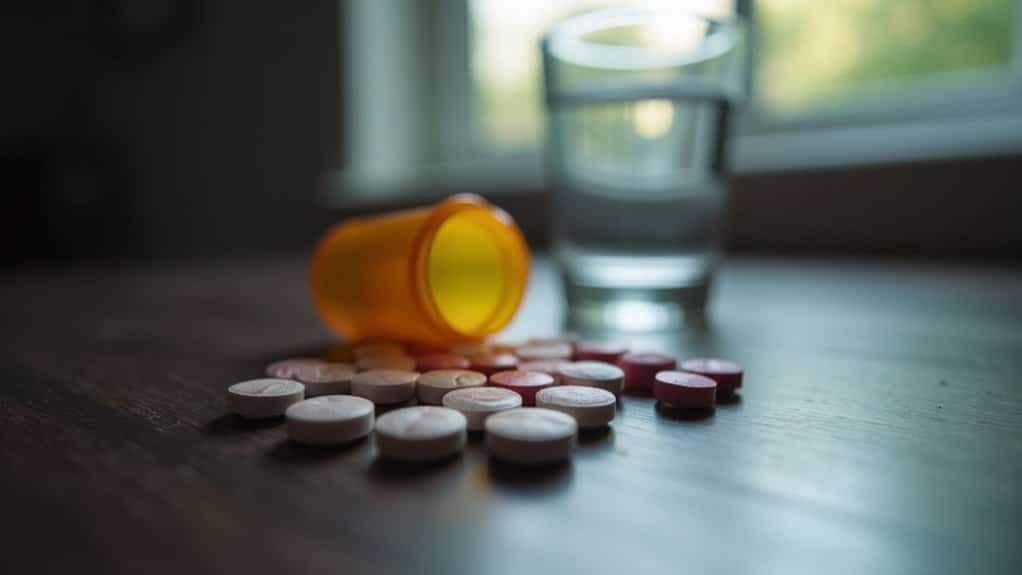
Some people are exposed to fentanyl without seeking it out because it is hidden in other drugs through deception. You might swallow what you believe is a legitimate prescription medication, unaware that counterfeit pills often contain fentanyl instead of the drug printed on the packaging. Because fentanyl is so potent, manufacturers add it to heroin, cocaine, or methamphetamine to increase potency, meaning you may ingest it without any knowledge of its presence. You can’t taste, see, or smell it in these mixtures, and you rarely know the actual dosage in street drugs. This hidden contamination drives much of the fentanyl crisis, turning ordinary drug use into a potentially fatal gamble. If you’ve been exposed this way, understand that you didn’t fail, you were deceived by an unpredictable, dangerous supply.
How does Santa Barbara Recovery Center help people stop using fentanyl
Santa Barbara Recovery Center helps you stop using fentanyl through evidence-based treatment tailored to the drug’s unique challenges. Because the fetty drug binds so powerfully to opioid receptors, you’ll need medically supervised detox to manage withdrawal safely and reduce cravings. Your recovery treatment begins with a clinical assessment that identifies your history, tolerance, and any co-occurring conditions like anxiety or depression.
From there, you’ll receive individualized care combining medication-assisted treatment with behavioral therapies that address the brain changes driving continued use. You’ll work through the triggers and thought patterns reinforcing addiction, building healthier coping strategies. Group support and relapse-prevention planning strengthen your foundation for lasting change. Throughout the process, you’re treated with compassion and respect, ensuring your path toward sustained recovery feels supported.
Stop Using Fentanyl With Support From Santa Barbara Recovery Center
Quitting fentanyl isn’t about willpower, it’s about treating the neurological changes underneath. At Santa Barbara Recovery Center, our fentanyl addiction treatment pairs medically supervised detox with dual diagnosis treatment that addresses the chronic pain, trauma, anxiety, and depression driving continued use, plus individual therapy to work through the triggers that keep the cycle going. You’re not weak, you’re responding to real pain, and real treatment exists. Call (805) 429-1203 to talk with our team, or verify your insurance to see what your coverage includes.
Frequently Asked Questions
What Are the Signs of a Fentanyl Overdose?
You’ll notice several critical warning signs during a fentanyl overdose. Watch for slowed or stopped breathing, which is the most dangerous symptom. You might see pinpoint pupils, bluish lips or fingertips, and pale, clammy skin. The person may become unresponsive, limp, or lose consciousness entirely. You could also hear gurgling or choking sounds. If you notice these signs, call emergency services immediately and administer naloxone if it’s available.
Can Naloxone Reverse a Fentanyl Overdose Effectively?
Yes, naloxone can reverse a fentanyl overdose, but you should know it often takes multiple doses because fentanyl’s so potent. It works by blocking opioid receptors, restoring breathing within minutes. Since fentanyl’s effects can outlast a single dose, you’ll want to call emergency services immediately and stay with the person. They may need repeated doses. Naloxone’s safe to administer, so don’t hesitate—your quick action can save a life.
How Long Does Fentanyl Stay in Your System?
Fentanyl’s detection window depends on the test you take. It typically stays in your blood for up to 12 hours, in your urine for 24 to 72 hours, and in your saliva for around 1 to 3 days. Hair testing can detect it for up to 90 days. Keep in mind that your metabolism, dosage, frequency of use, and overall health can all affect how long it remains in your system.
Is Fentanyl Legal for Medical Use in the United States?
Yes, fentanyl’s legal for medical use in the United States when a licensed provider prescribes it. You’ll typically encounter it as an effective treatment for severe chronic pain that hasn’t responded to other medications, as standard care for cancer-related pain in advanced-stage patients, and for post-surgical pain relief following major procedures. It works by blocking pain signal transmission to your central nervous system, helping reduce the anxiety and stress that pain causes.
What Withdrawal Symptoms Occur When Quitting Fentanyl?
When you stop using fentanyl, you’ll likely experience muscle aches, sweating, and chills as your body adjusts. You may notice anxiety, agitation, and trouble sleeping alongside intense drug cravings. Physical symptoms often include nausea, vomiting, diarrhea, and abdominal cramping. You might also develop a runny nose, watery eyes, and dilated pupils. While these symptoms feel overwhelming, they’re rarely life-threatening. Seeking medical support can help you manage this process safely and comfortably.