





Fentanyl reshaped the overdose crisis because of its potency: it runs 50 to 100 times stronger than morphine, and two milligrams can kill. Dealers mix it into heroin, cocaine, and counterfeit pills, so many people overdose without knowing they took it. Santa Barbara Recovery Center meets this risk with harm-reduction-based care, naloxone access, and medically supervised treatment for fentanyl addiction.
Key Takeaways
- Fentanyl’s extreme potency, 50 to 100 times stronger than morphine, makes just two milligrams potentially lethal, driving record overdose deaths.
- A “fourth wave” emerged, mixing fentanyl into heroin, cocaine, stimulants, and counterfeit pills, making drug contents dangerously unpredictable.
- Many victims overdose unknowingly, as dealers lace other drugs with fentanyl and reliable detection when purchasing is impossible.
- Fentanyl spread westward since 2013, reaching San Francisco by 2016 and overtaking heroin, with deaths climbing 540%.
- Responses shifted toward harm reduction, including over-the-counter Narcan approval in 2023, helping cut overdose fatalities nearly 25% by 2024.
How has fentanyl changed the overdose crisis in America
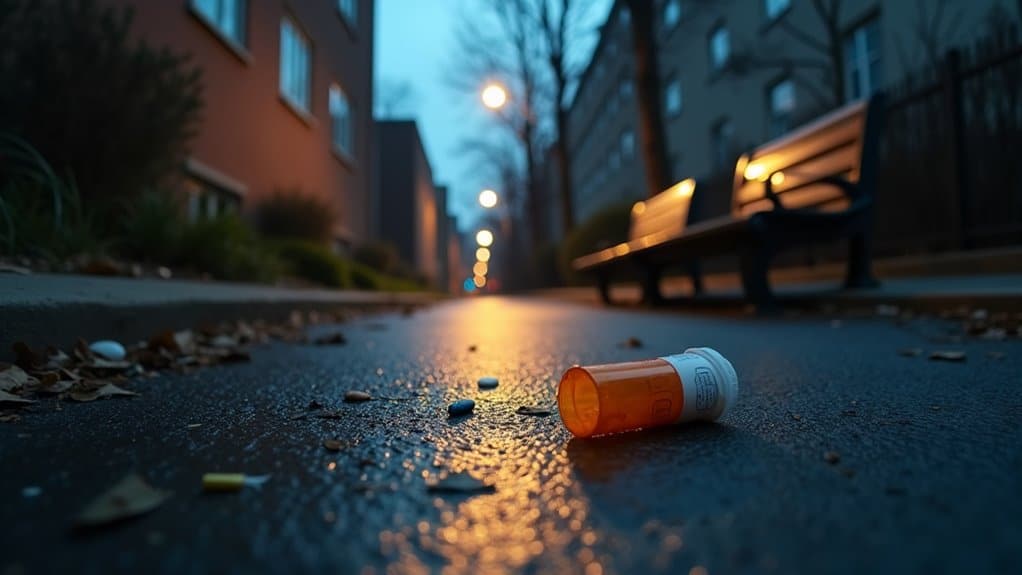
Fentanyl has reshaped America’s overdose crisis by driving deaths to record levels since it launched the third wave of the crisis in 2013. Consider the potency: fentanyl runs 50 to 100 times stronger than morphine, and just two milligrams, the tip of a pencil, can kill you. Since 2012, when fentanyl entered the illicit market, 527,344 Americans have died from opioid overdoses. In 2022 alone, 73,838 of 108,000 overdose deaths involved fentanyl and synthetic opioids. You’ll notice it’s supplanting heroin nationwide, often mixed unknowingly into heroin or cocaine. Between 2016 and 2019, fentanyl-linked deaths jumped from 20% to 73% of annual drug deaths. Today, over 100,000 Americans die yearly, with most fatalities attributed to this devastating synthetic opioid.
What makes this phase of the opioid epidemic different
This phase differs because of the emergence of a “fourth wave,” where methamphetamine and cocaine are increasingly entwined with the opioid epidemic. You’re no longer dealing with a single-drug problem. Synthetic opioids, particularly illicitly manufactured fentanyl, now saturate the illicit market, mixing into heroin, cocaine, and stimulants at low cost. What makes this moment uniquely dangerous is unpredictability. You can’t reliably know what you’re consuming, because counterfeit pills disguised as legitimate prescriptions often contain lethal fentanyl doses. In New Hampshire, two-thirds of fatal overdoses involved fentanyl, frequently consumed unknowingly. The extreme potency means two milligrams can kill you. This phase demands vigilance and compassion, recognizing that many victims never intended to take fentanyl at all, yet faced fatal consequences regardless.
Why are people overdosing without knowing they took fentanyl
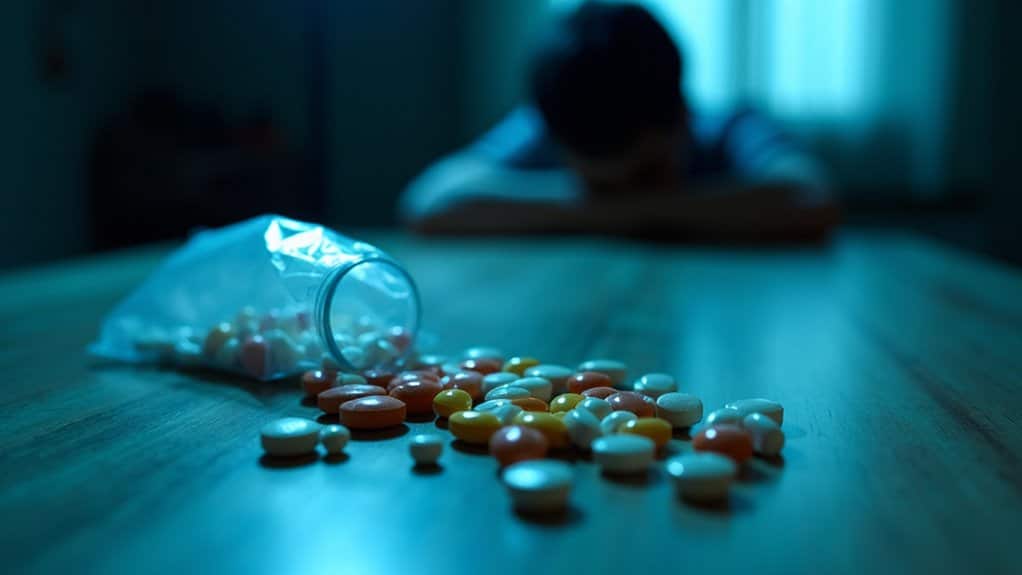
People overdose without knowing they took fentanyl because dealers mix it into other drugs to boost potency at minimal cost. When you buy heroin or cocaine, you often can’t tell that fentanyl’s been added. Illicit fentanyl blends easily into these substances, and its extreme potency means even trace amounts prove lethal. In New Hampshire, two-thirds of fatal overdoses involved fentanyl, often consumed unknowingly. You might take what you believe is a familiar dose, unaware that a few grains, equivalent to 10 to 15 grains of salt, can kill you. This is why public health officials urge you to carry naloxone, now available over-the-counter as Narcan. If you or someone nearby overdoses, naloxone can reverse it. Understanding this hidden risk helps you protect yourself and others.
How has the fentanyl crisis spread to new communities
The fentanyl crisis has spread from the communities first hit by the opioid epidemic to new regions across the country, moving westward through shifting substance use trends and rising fatalities. You can trace this spread through the milestones below.
| Year | Milestone | Impact |
|---|---|---|
| 2013 | Third wave begins | Synthetic opioid deaths surge |
| 2016 | Reaches San Francisco | First major West Coast city affected |
| 2016 | Fentanyl overtakes heroin | Deaths climb 540% from 2013 |
| 2022 | 73,838 synthetic opioid deaths | Two-thirds of overdoses |
| 2023 | 22.2 deaths per 100,000 | China supplies most imported fentanyl |
You’re seeing fentanyl infiltrate areas once considered low-risk, often mixed unknowingly into other drugs. That’s why overdose prevention efforts, including naloxone access, now matter far beyond the crisis’s original epicenters.
How are public health and treatment systems responding

Public health and treatment systems have shifted toward rapid, accessible intervention because fentanyl’s potency leaves little margin for error. You’ll see harm reduction at the center of this response, prioritizing survival before recovery. In March 2023, the FDA approved Narcan naloxone nasal spray as the first over-the-counter overdose reversal drug, letting you access life-saving medication without a prescription. This matters because so many overdoses happen unknowingly. Two-thirds of New Hampshire’s fatal overdoses involved fentanyl people didn’t realize they’d consumed. Treatment for opioid use disorder now emphasizes immediate connection to care, meeting you where you are rather than demanding abstinence first. These efforts appear to be working. Overdose fatalities declined by nearly 25% from 2023 to 2024, though the crisis remains far from resolved.
How does Santa Barbara Recovery Center fit into the response
Santa Barbara Recovery Center fits into the response by putting harm-reduction and treatment principles into practice, meeting you where you are rather than turning you away for not being “ready.” As fentanyl spreads westward into California communities, the center offers the immediate, accessible care that potency demands, connecting you to medication-assisted treatment, overdose reversal resources, and support that prioritizes survival first. You’ll find evidence-based addiction treatment tailored to fentanyl’s unique risks, including naloxone access and clinical monitoring during withdrawal. Because the opioid epidemic now involves substances mixed unknowingly into other drugs, the center screens carefully and educates you about what you’re actually facing. You won’t be judged for relapse; you’ll be supported through it. This approach reflects what decades of research confirm: sustained engagement, not shame, saves lives.
Get Fentanyl Treatment at Santa Barbara Recovery Center
Fentanyl leaves almost no margin for error, which is why getting help early matters so much. At Santa Barbara Recovery Center, our fentanyl addiction treatment meets you where you are, connecting you to medically supervised detox and clinical monitoring through the intense withdrawal fentanyl is known for. Because so many people encounter fentanyl mixed unknowingly into opioids, cocaine, or counterfeit pills, our team screens carefully and builds a treatment plan around what you’re actually facing. You won’t be judged for relapse. You’ll be supported through it. Call (805) 429-1203 to talk with our team, or verify your insurance to see what your coverage includes.
Frequently Asked Questions
What Is Fentanyl and How Is It Medically Used?
Fentanyl’s a synthetic opioid that’s 50 to 100 times more potent than morphine. You’ll find it used medically to manage severe pain, especially after surgery or during cancer treatment, when other options don’t work. Because it’s so powerful, your doctor prescribes it carefully and monitors you closely. When it’s used correctly under medical supervision, it can offer meaningful relief, but its extreme potency demands caution to keep you safe.
What Are the Signs and Symptoms of a Fentanyl Overdose?
You’ll recognize a fentanyl overdose by several critical signs. Watch for slowed or stopped breathing, which is the most dangerous symptom. You might notice pinpoint pupils, blue-tinged lips or fingertips, and cold, clammy skin. The person may become unresponsive, lose consciousness, or make choking or gurgling sounds. If you see these signs, don’t wait, administer Narcan naloxone if available and call 911 immediately. Your quick response can save a life.
How Can Families Detect Fentanyl in Street Drugs?
You can’t reliably detect fentanyl by sight, smell, or taste, it’s often mixed unknowingly into heroin, cocaine, or fake pills. Because just two milligrams can be lethal, you shouldn’t trust appearance alone. Instead, use fentanyl test strips to check substances before use. Keep Narcan (naloxone) nasal spray, now available over-the-counter, on hand to reverse overdoses. These harm-reduction tools can’t guarantee safety, but they help protect someone you love.
Is Fentanyl Addiction Treatable Through Detox and Rehabilitation?
Yes, you can treat fentanyl addiction through detox and rehabilitation, though recovery requires all-encompassing support. Given fentanyl’s extreme potency, 50 to 100 times stronger than morphine, you’ll likely face intense withdrawal, so medically supervised detox matters. You’ve got tools that help: naloxone (Narcan), now available over-the-counter since March 2023, reverses overdoses. Combining detox with ongoing rehabilitation improves your chances, but you shouldn’t underestimate fentanyl’s grip. Persistence and professional guidance make lasting recovery achievable.
What Legal Penalties Exist for Fentanyl Trafficking Convictions?
You’ll face serious federal consequences if you’re convicted of fentanyl trafficking. In fiscal year 2024, trafficking offenses reached 3,639, reflecting a steady increase in enforcement. The DEA seized over 55 million fentanyl-laced fake prescription pills that same year, underscoring how aggressively authorities pursue these cases. While specific sentences vary by quantity and circumstances, you should understand that trafficking charges carry significant prison time, reflecting fentanyl’s extreme lethality and public health impact.