






A relationship can survive addiction, and many couples come out of recovery stronger. But loving an addict tests trust, safety, and intimacy, and survival takes honesty, clear boundaries, and steady effort from both partners. Santa Barbara Recovery Center treats your relationship as part of the clinical picture, using couples and family therapy to rebuild trust and interrupt the cycles addiction creates.
Key Takeaways
- Many relationships survive addiction and grow stronger through recovery, but survival requires consistent effort and truthful communication.
- Substance abuse dissolves trust first, replacing honesty with hiding, guessing, and repeatedly broken promises that weaken the bond.
- Couples become trapped in cycles where substance use fuels conflict, emotional distress, and enabling behaviors that sustain the addiction.
- The non-using partner suffers anxiety, resentment, financial strain, safety fears, and caregiver overload leading to self-neglect.
- Rebuilding depends on structure, clear boundaries, and small consistent actions, supported by couples or family therapy for accountability.
Can a relationship survive addiction
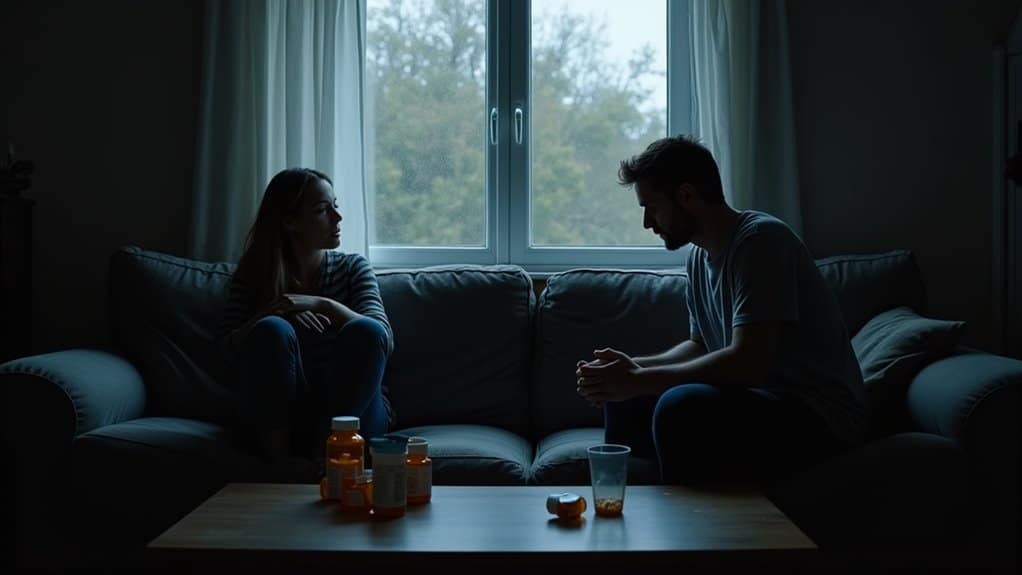
A relationship can survive addiction, and many marriages endure substance use disorder and grow stronger through recovery. Substance abuse undermines trust, weakening the bond between you and your partner. Addiction creates chaos, negativity, emotional upheaval, and even potential violence, while alcohol and drugs impair judgment and fuel anger and resentment. But survival isn’t guaranteed. You’ll need honesty, clear boundaries, professional guidance, and mutual willingness to face difficult challenges together. Recovery functions as a system: each part reinforces the others. When one component fails, the whole structure destabilizes. If you can commit to consistent effort and truthful communication, you give your relationship a genuine chance to heal. Supporting a loved one with addiction requires immense patience and empathy. It is essential to understand that recovery is a journey filled with ups and downs. As you navigate this path together, finding support groups or therapy can be beneficial for both partners.
How does addiction affect relationships, trust, and intimacy
Addiction erodes relationships from the inside, dissolving trust first. Substance use impairs judgment, arousing anger and resentment while creating a conflict-heavy home atmosphere. Each broken promise weakens the bond between you and your partner, replacing honesty with hiding and guessing. How addiction affects loved ones is often overlooked in discussions about substance use. Family members may feel helpless as they watch a loved one struggle, leading to emotional pain and isolation.
Intimacy suffers as chaos, negativity, and emotional upheaval take hold. You may feel unsafe, trapped, or unable to imagine a way forward. In severe cases, the environment escalates toward potential violence, harming children or family members caught in the pattern.
These aren’t isolated failures, they’re systemic. Substance abuse undermines the foundation partners depend on, leaving trust, safety, and connection fractured until deliberate repair begins.
What cycles do couples get caught in

Couples get caught in predictable loops that repeat until something breaks them. You’ve probably noticed the pattern: substance use triggers relationship conflict, conflict fuels emotional distress, and that distress becomes the justification for more use. This cycle tightens with each rotation.
Another loop involves broken promises. Your partner vows to quit, you extend trust, relapse follows, and resentment deepens. Judgment stays impaired, anger and resentment build, and the home atmosphere grows heavier.
You might also recognize the enabling cycle, where you protect your partner from consequences, unintentionally sustaining the behavior you fear. Meanwhile, honest conversations spiral downward, ending in escalation rather than resolution.
These systems reinforce themselves automatically. Recognizing which loop you’re trapped in becomes the first step toward interrupting it.
How does the non-using partner get affected
You absorb the fallout of your partner’s addiction in ways that often go unrecognized. You carry emotional upheaval, financial strain, and the constant vigilance of watching for the next crisis. Trust issues take root as broken promises accumulate, leaving you guessing instead of knowing. Over time, you risk burnout, resentment, and losing your sense of safety within your own home. The Wider Impact of Addiction extends beyond relationships, affecting emotional well-being, social connections, workplaces, and communities. Recognizing these effects is essential for lasting recovery.
| Impact Area | What You Experience | Systemic Effect |
|---|---|---|
| Emotional | Anxiety, resentment | Erodes bond |
| Financial | Instability, loss | Increases conflict |
| Safety | Fear, unpredictability | Weakens trust |
| Identity | Caregiver overload | Self-neglect |
You often silence your own needs to manage the chaos. Recognizing these effects early helps you protect yourself, set boundaries, and seek support before exhaustion sets in.
What does rebuilding the relationship require

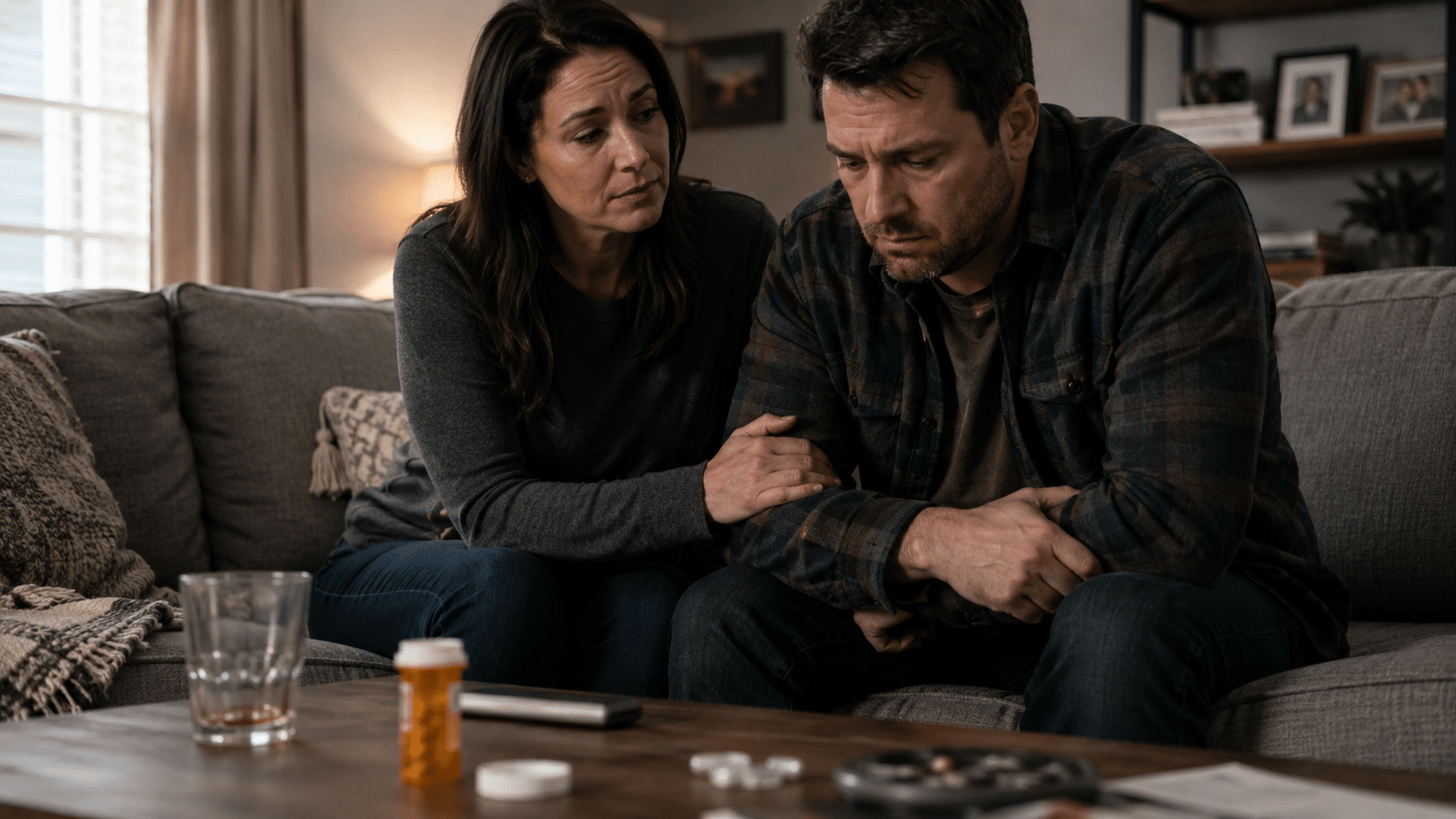
Rebuilding the relationship requires structure, not promises. Addiction recovery shifts the work from survival to repair, and that repair depends on consistent action. Trust returns through small, consistent actions that prove words and behavior finally match. You’ll need honest check-ins that replace hiding and guessing with truth, along with shared accountability that clarifies what each of you expects.
- Clear boundaries around money, safety, and behavior that protect recovery and reduce fear
- Consistent follow-through where daily actions steadily rebuild reliability over time
- Structured support through couples or family therapy once recovery is underway
Approach this as a system you’re rebuilding together. When both partners engage the process honestly, the relationship can stabilize and eventually strengthen.
How does Santa Barbara Recovery Center support couples and families
Santa Barbara Recovery Center supports couples and families by treating your relationship as part of the clinical picture, not an afterthought. You’ll engage in couples therapy and family programs designed to repair trust and reduce blame between partners. Outside support guides this work, helping both of you replace hiding and guessing with honest check-ins and shared accountability. You’ll set clear, compassionate boundaries around money, safety, and behavior, protecting recovery and stabilizing your relationship dynamic. Ongoing therapy helps you manage setbacks early, before small cracks widen. Separate support networks build resilience for each of you individually, while support groups provide critical emotional strength. You don’t have to navigate this alone. The whole system heals together.
Rebuild Your Relationship at Santa Barbara Recovery Center
Addiction damages a relationship from the inside, but many couples come through recovery with a stronger bond than before. At Santa Barbara Recovery Center, we treat your relationship as part of the clinical picture through family therapy that helps repair trust, reduce blame, and replace hiding and guessing with honest accountability. Because the conflict and emotional strain driving substance use often sit alongside anxiety, depression, or unresolved trauma, our dual diagnosis treatment addresses those underlying conditions so recovery holds under pressure. You don’t have to navigate this alone. Call (805) 429-1203 to talk with our team, or verify your insurance to see what your coverage includes.
Frequently Asked Questions
How Long Does Recovery Typically Take Before Trust Noticeably Improves?
Trust doesn’t follow a fixed timeline—it rebuilds through consistent behavior, not calendar dates. You’ll notice small improvements as actions match words over weeks and months, but meaningful repair often unfolds across the early sobriety period and beyond. Focus on honest check-ins, clear boundaries, and shared accountability rather than a deadline. When you pair these with ongoing therapy, you’re strengthening the foundation that lets trust return gradually and sustainably.
Should Couples Separate Temporarily During Early Addiction Treatment?
Temporary separation isn’t always necessary, but you should consider it when safety’s at risk. If you’re feeling unsafe, trapped, or trapped in repeated downward spirals during discussions, stepping back protects both of you. Use this time to set clear boundaries, engage professional guidance, and build separate support networks. Once recovery’s underway, you can reunite through couples therapy. Watch for early exhaustion signs, and speak up when something feels off.
Can Children Participate in Family Therapy During a Parent’s Recovery?
Yes, your children can participate in family therapy during a parent’s recovery, and their involvement often strengthens the whole system. Since kids frequently suffer emotional or physical harm from a parent’s substance use, therapy gives them a safe space to process that pain. You’ll want to attend family therapy once recovery’s underway, ensuring the setting stays age-appropriate. Outside support guides repair and reduces blame, helping everyone heal together.
What Legal Protections Exist for Partners Facing Addiction-Related Abuse?
The knowledge provided doesn’t cover specific legal protections, so I can’t detail statutes or protective orders for you here. What I can address: when you’re feeling unsafe or trapped, that’s a signal to act. Activate your personal safety protocols, especially if children face harm. Reach out to professional guidance and support networks. If discussions spiral downward repeatedly, prioritize your safety and seek immediate help from qualified resources beyond this scope.
Are Certain Substances More Damaging to Relationships Than Others?
What matters most isn’t the specific substance—it’s how addiction impairs judgment, arouses anger, and erodes trust in your relationship. Any drug or alcohol use can create chaos, emotional upheaval, and potential violence at home. You’ll notice the damage shows up in patterns: broken promises, conflict-heavy interactions, and safety concerns. Focus less on which substance and more on the behaviors undermining your bond, so you can address root problems effectively.