






Addiction affects society far beyond the person using it. It reaches children whose grades slip, coworkers who absorb the strain, and communities that carry rising healthcare, safety, and social service costs. Substance use never harms just one person. Santa Barbara Recovery Center treats addiction as a condition that touches whole families, schools, and workplaces, because recovery has to reach as far as the damage does.
Key Takeaways
- Addiction erodes trust and communication at home, leaving children vulnerable to anxiety, depression, and declining school performance.
- Students affected by a parent’s substance use often show slipping grades, faltering attendance, truancy, and rising dropout rates.
- Warning signs in students include emotional distress, conduct issues like stealing or lying, and academic decline tied to home instability.
- In workplaces, addiction increases injuries, reduces productivity, strains coworkers, and can lead to terminations or business closures.
- Communities absorb rising healthcare costs, stretched law enforcement and judicial resources, homelessness, and overwhelmed social services.
How does addiction affect more than the individual
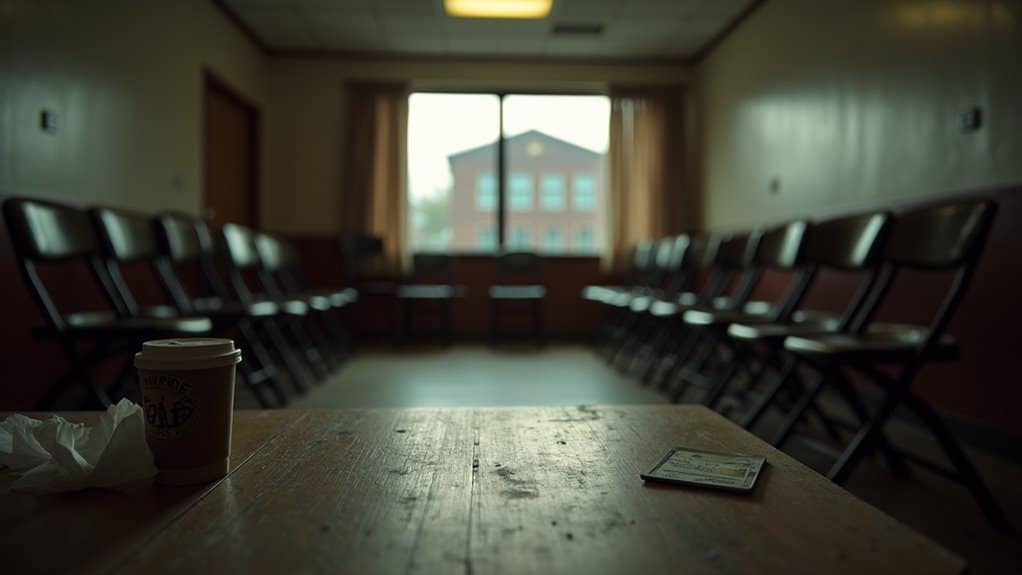
Addiction affects far more than the individual, spreading outward to touch everyone nearby. When you or someone you love faces a substance use disorder, the impact reaches into every relationship. At home, trust erodes and communication breaks down, leaving children vulnerable to anxiety, depression, and declining school performance. Kids may miss classes, struggle academically, or take on caregiving roles they’re not ready for. Families and relationships affected by addiction often face emotional turmoil and instability. The strain can lead to long-lasting consequences that may affect future generations. Seeking support and understanding is crucial for healing and rebuilding these connections.
The community impact of addiction reaches even further. Workplaces lose productivity, employers absorb rising costs, and local businesses face real strain. Emergency rooms fill, law enforcement stretches thin, and social services shoulder added demand. These ripple effects show why recovery matters not just for you, but for everyone connected to you. Substance abuse effects on couples can lead to emotional strain and communication breakdowns. These challenges often result in a cycle of blame and resentment that further complicates the relationship dynamic.
How are schools and students affected
Schools and students are affected when a parent struggles with substance use, because their child often carries that burden straight into the classroom. You’ll notice their grades slip, their attendance falters, and their behavior shifts in ways that signal something deeper. Unexcused absences can escalate into adolescent truancy, and dropout rates climb among children from homes affected by substance use disorders.
Watch for these warning signs in students you care about:
- Emotional distress like anxiety, depression, and anger outbursts that disrupt focus
- Conduct issues including stealing, lying, and withdrawal from peers
- Academic decline tied directly to instability at home
Recognizing these patterns matters for public health, because schools are frontline settings for addiction prevention. When you support these students early, you interrupt the cycle before it deepens.
How does addiction affect society and the workplace

Addiction affects society and the workplace by increasing injuries, reducing productivity, raising costs, and burdening entire communities. When you arrive drunk, high, or hungover, your risk of work injury climbs, and lost workplace productivity places heavy strain on your employer and coworkers. Jobs end daily because of addiction-related termination, and small to mid-sized businesses can close when substance use enters the building. Insurance premiums rise for everyone, and unemployment burdens whole communities.
Beyond the office, healthcare costs surge as people need emergency interventions, hospitalization, or long-term treatment. Law enforcement and judicial systems stretch thin under drug-related crime. If you’re struggling, recognizing these wider consequences isn’t meant to shame you. It’s meant to remind you that recovery restores far more than your own life.
What costs do communities bear
Communities bear healthcare costs, law enforcement and judicial expenses, homelessness, and overloaded social services, and these burdens fall on people who never used a substance at all. Healthcare costs rise as emergency interventions and long-term treatment overwhelm hospitals. Law enforcement and judicial resources stretch thin under drug-related crimes. Homelessness climbs, and social services can’t keep pace. These social consequences touch you even if addiction never entered your home.
| System | Burden | Impact on You |
|---|---|---|
| Healthcare | Rising costs | Higher premiums |
| Law Enforcement | Strained resources | Reduced safety |
| Social Services | Overloaded demand | Fewer supports |
Recovery-focused solutions ease these pressures, restoring stability and hope to everyone affected.
Why does addiction affect people who never used substances

Addiction affects people who never used substances because its reach extends through the people and systems around you. When you ask who is affected by addiction, the answer extends far beyond the person using. You feel it as a coworker covering extra shifts, a teacher managing a struggling child, or a taxpayer funding strained healthcare and law enforcement. Understanding how does addiction affect society means recognizing these invisible threads connecting us all. Family codependency and addiction can create cycles that are difficult to break. When family members enable substance use or behavior patterns, it often exacerbates the challenges faced by individuals seeking help.
- Shared financial burden: Rising insurance premiums and social service costs quietly drain your resources.
- Emotional weight: You may carry stress supporting affected friends, family, or classmates.
- Community safety: Increased crime and reduced public safety touch your daily life.
You’re part of a system that heals together.
How does Santa Barbara Recovery Center contribute to community recovery
Santa Barbara Recovery Center contributes to community recovery by treating substance use disorder as a condition that touches entire systems, not just the individual. Because addiction ripples outward through schools, workplaces, and families, recovery has to reach just as far. Substance abuse never affects just the person struggling. It affects the coworkers, children, and neighbors caught in the fallout, so treatment here addresses more than the individual.
You’ll find care that helps you rebuild trust with family, restore stability at work, and reconnect with your community. By supporting your recovery, it eases the strain on schools, healthcare systems, and social services too. When you heal, those around you begin healing as well, and the ripple finally reverses.
Start Recovery at Santa Barbara Recovery Center
Addiction spreads its damage across families, jobs, and whole communities, but recovery reverses that same ripple. At Santa Barbara Recovery Center, treatment reaches beyond the individual through family therapy that helps rebuild trust and repair the relationships addiction strained. Our full continuum of care, from residential rehab for men through structured outpatient programs, gives you the support to restore stability at home and at work while staying connected to your daily responsibilities. When you heal, the people around you begin to heal too. Call (805) 429-1203 to talk through your options, or verify your insurance to see what your coverage includes.
Frequently Asked Questions
What Are the Early Warning Signs of Addiction in a Loved One?
You’ll often notice behavioral shifts first: increased secrecy, withdrawal from family, or sudden mood swings and anger outbursts. Watch for declining performance at work or school, unexplained absences, and financial troubles. You might spot lying, stealing, or damaged trust within your relationships. Physical signs like fatigue or neglected health matter too. If you’re seeing these patterns, don’t ignore them, early recognition opens the door to support and recovery.
How Can Families Begin Healing After a Member Enters Recovery?
You can begin healing by rebuilding the trust and communication that addiction damaged. Start slowly, acknowledge the conflict, secrecy, and emotional chaos your family experienced, and give everyone space to process it. If your children took on caregiver roles, gently restore healthy boundaries. Consider family therapy to address lingering anxiety or resentment. Recovery’s a shared journey, so celebrate small wins together and stay patient. Healing won’t happen overnight, but it’s absolutely possible.
What Treatment Options Are Available for Substance Use Disorders?
You’ve got several treatment paths to evaluate, and finding the right fit matters. You can explore inpatient or residential programs for structured, round-the-clock support, or choose outpatient care that lets you maintain daily responsibilities. Medication-assisted treatment, individual counseling, and group therapy often work together to address both the physical and emotional sides of recovery. You’ll also benefit from ongoing support groups and aftercare, which help you sustain lasting progress.
How Long Does Addiction Recovery Typically Take?
Recovery doesn’t follow a fixed timeline, it’s different for everyone. You’ll often find early stabilization takes weeks, while building lasting change unfolds over months or years. Many treatment programs run 30, 60, or 90 days, but you’ll likely need ongoing support well beyond that. Recovery’s a lifelong process of managing your health, not a quick fix. Be patient with yourself; sustained healing takes time, and every step you take matters.
Can Someone Fully Recover From Addiction and Prevent Relapse?
Yes, you can absolutely achieve lasting recovery and prevent relapse. It’s important to understand that recovery isn’t a single event, it’s an ongoing process you commit to daily. You’ll strengthen your resilience through consistent support, therapy, and healthy coping strategies. While relapse can happen, it doesn’t mean you’ve failed. With the right tools and a strong support network, you can maintain sobriety and rebuild the stability addiction once disrupted.