Mental Health
Why Mental Health Can Hit Men Harder in Their 40s and Middle Age
Men’s mental health in midlife: Understand why your 40s can increase stress, depression, and suicide risk, and learn the first step toward change.

Men’s mental health in midlife: Understand why your 40s can increase stress, depression, and suicide risk, and learn the first step toward change.

Anxiety in men: learn the physical and behavioral signs people miss so you can recognize when stress may need clinical support.
Depression in men can show up as anger, withdrawal, or irritability. Learn how to recognize the signs and what can help.

Men’s mental health: recognize depression and anxiety signs early and learn when to get support for healthier coping.

Integrated treatment for co-occurring disorders coordinates mental health and substance use care in one plan with one team.
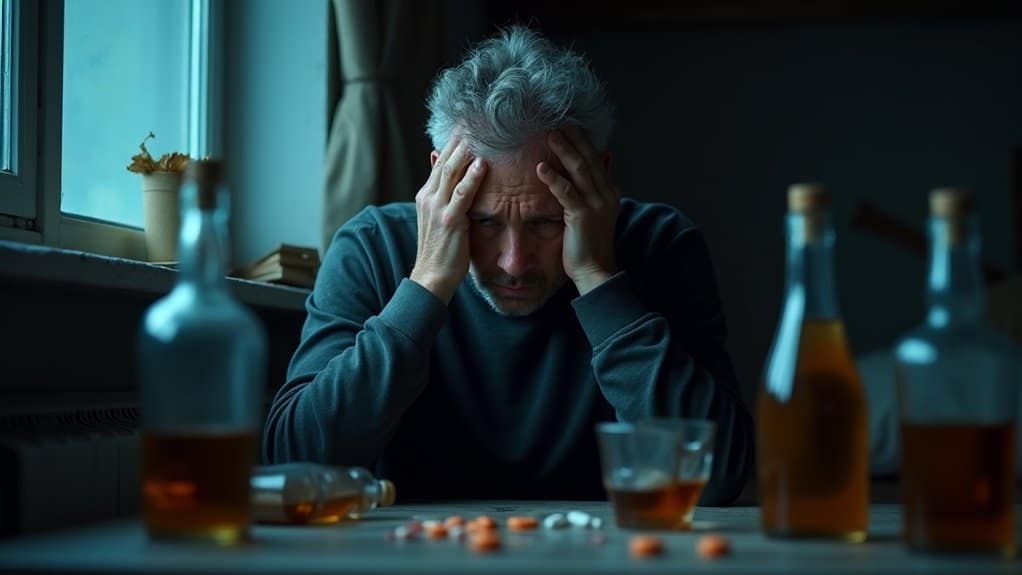
Drugs and alcohol affect mental health by changing mood, sleep, memory, and anxiety. Learn what improves when substance use stops.

Substance-induced psychosis: Learn key symptoms, causes, risks, and when persistent hallucinations or delusions may need medical care.
Addiction and mental illness often share causes. Learn why they occur together and how understanding the link can guide recovery.

Is addiction a mental illness? Learn how SUD is diagnosed and what it means for treatment, relapse, and recovery.

Can substance abuse cause mental illness? Learn how drugs and alcohol affect mental health and when to seek help for substance-induced symptoms.

Co-occurring disorders treatment helps you understand dual diagnosis and find integrated care for mental health and substance use.

Setting boundaries with an addict helps you set firm limits, stop enabling harm, and respond with clarity and consistency.

How to support a recovering addict with practical, compassionate steps that encourage recovery, set boundaries, and avoid enabling.

Help a family member with drug addiction by using compassionate steps, finding evidence-based care, and supporting recovery without enabling.

Loving someone with an addiction: learn how to set boundaries, stop rescuing, and support recovery without losing yourself.

Help an addict who doesn’t want help with calm steps to start a conversation, offer support, set boundaries, and encourage treatment.

What to say to someone struggling with addiction: learn caring, practical phrases that encourage help without shame or blame.

ADHD and addiction recovery requires dual diagnosis treatment. Learn how treating both conditions together leads to lasting sobriety.

ADHD and addiction share brain chemistry that raises risk. Learn the causes and how integrated treatment supports lasting recovery.

ADHD and sobriety: learn how ADHD raises relapse risk and which strategies help you stay sober and manage triggers in early recovery.
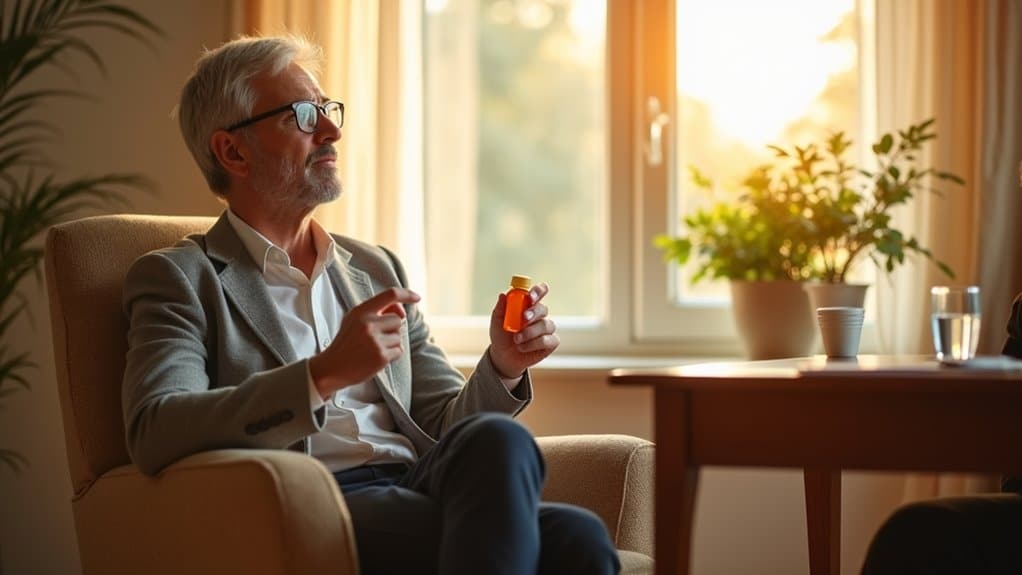
ADHD medication during addiction recovery can be safe and effective with proper monitoring, lowering relapse risk while managing symptoms.

ADHD recovery strategies that build structure, routine, and accountability to reduce impulsivity and support lasting sober habits.

Dual diagnosis treatment for ADHD and addiction targets both conditions at once, breaking the cycle that drives relapse and improving recovery.

Fentanyl abuse signs families need to know: recognize overdose symptoms, understand the risks, and learn how naloxone can save a life.

Fentanyl use explained: learn why people use it, how it affects the brain, and how addiction, pain, and hidden exposure drive its dangers.

Fentanyl use signs: learn the physical, behavioral, and cognitive indicators to recognize a problem early and respond before an overdose.

Snorting fentanyl carries deadly risks including overdose and nasal damage. Learn the dangers and how recovery treatment can help.

Fentanyl overdoses happen fast. Learn why, how respiratory failure sets in, and how naloxone can reverse it in time to save a life.

Fentanyl transformed America’s drug crisis. Learn how this potent opioid drives overdose deaths and what harm reduction steps can save lives.
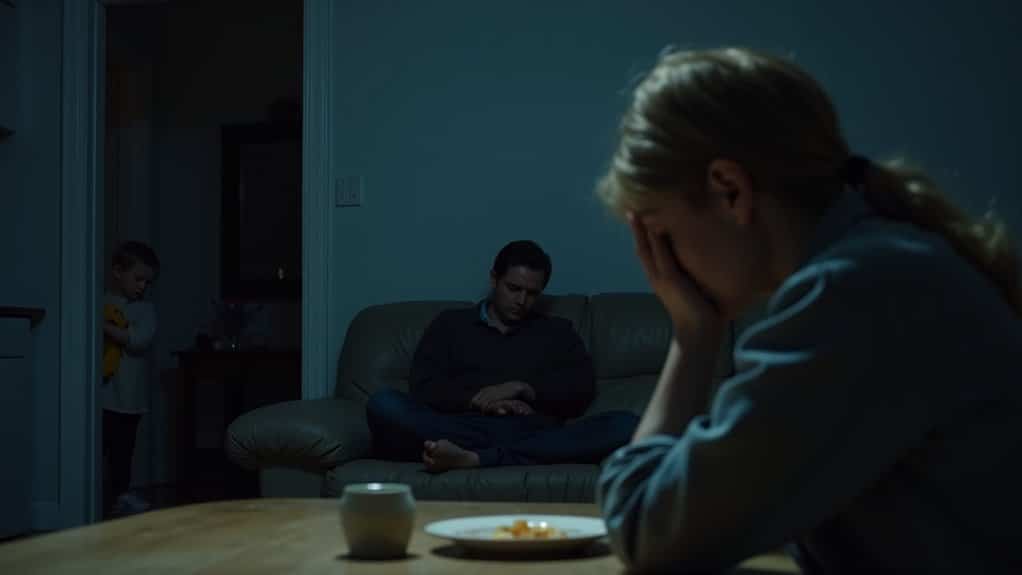
Addiction affects families, partners, and children. Learn how it changes relationships and how to recognize enabling patterns and emotional harm.